Can Pigeons Eat Garlic | Is It Safe or Harmful?
Many pigeon keepers ask a simple question when they start exploring natural foods and home remedies for their birds. Can pigeons eat garlic? I hear this question often from beginners who want to give their birds healthy foods but are not sure what is safe.
From my own experience raising pigeons for many years, garlic is something that can actually be helpful when used the right way. Many pigeon keepers around the world use garlic as a natural supplement for their birds. It is not a regular food like grains or seeds, but it can play a small role in supporting pigeon health.
If you spend enough time around pigeon lofts, you will notice that experienced keepers sometimes add garlic to drinking water or mix small amounts with feed. The goal is usually to support digestion and help keep the birds strong. However, like many things in pigeon care, the amount and method matter a lot.
Pigeons have a simple diet compared to many other animals. Most of their daily food comes from grains such as corn, wheat, peas, and millet. If you are learning what do pigeons eat, you will quickly see that their diet is built around seeds and grains that provide energy and protein. Garlic is not part of their natural wild diet, so it should never replace proper pigeon feed.
The reason this topic matters is simple. Pigeon owners often look for natural ways to keep their birds healthy. Many people prefer natural supplements instead of relying only on medications. Garlic is one of the most commonly mentioned natural ingredients in pigeon care, but it must be used correctly.
Another reason pigeon keepers become curious about garlic is disease prevention. Anyone who raises pigeons knows that keeping birds healthy is one of the biggest responsibilities. Learning about pigeon diseases and how to prevent them becomes a big part of everyday loft management. Some keepers believe garlic can support the immune system and help birds stay stronger.
Over the years, I have tried different natural supplements in my loft. Some worked well. Others made no real difference. Garlic is one of those things that many pigeon keepers experiment with, but beginners often worry about safety first.
That is why the question of whether pigeons can eat garlic deserves a clear answer. Understanding how garlic affects pigeons can help owners make better decisions about their birds’ diet and health routine.
Good pigeon care always starts with knowledge and observation. Every loft is a little different. Some birds respond well to certain supplements, while others may not need them at all. Watching your pigeons closely and learning their normal behaviour is just as important as knowing what foods are safe.
Once you understand the basics of pigeon nutrition, it becomes easier to decide whether natural additions like garlic belong in your feeding routine.
Can Pigeons Eat Garlic?
Yes, pigeons can eat garlic in small amounts. Garlic is not a normal food in a pigeon’s daily diet, but many pigeon keepers use it as a natural supplement. I have used garlic in my own loft from time to time, especially when I want to support my birds’ digestion or overall health.
Garlic has natural compounds that many people believe help the body fight harmful bacteria and support the immune system. Some pigeon keepers also say it helps improve circulation and digestion. Because of this, garlic has been used in pigeon lofts for many years.
The important thing to remember is that garlic should only be used in small amounts. Pigeons do not need garlic every day. Their main diet should always be proper pigeon grains and seeds.
How Garlic Is Used in Pigeon Care
Most pigeon keepers do not feed whole garlic cloves directly to their birds. Instead, garlic is usually given through drinking water or mixed lightly with feed.
One common method is garlic water.
Garlic Water for Pigeons
Some pigeon keepers crush a small clove of fresh garlic and place it in the birds’ drinking water. The garlic stays in the water for several hours, and then the water is replaced with fresh water later in the day.
This method allows pigeons to receive a very mild amount of garlic without forcing them to eat strong pieces of it.
In my loft, I have sometimes used garlic water once or twice a week during certain seasons. It is especially common during colder months when pigeons may need a little extra support to stay strong.
Why Some Pigeon Keepers Use Garlic
Garlic is popular among pigeon keepers for several reasons.
Natural Immune Support
Many pigeon keepers believe garlic helps support the immune system. Healthy birds are always the goal for anyone raising pigeons. When pigeons stay strong, they are less likely to suffer from common health problems.
Learning about pigeon diseases is part of responsible pigeon care. Some keepers include garlic as one small part of a routine meant to keep birds healthy.
Digestive Support
Garlic may also help support digestion. Pigeons eat many different grains, and sometimes their digestion can become sluggish. Some keepers feel garlic helps keep the digestive system working well.
Good digestion is important for energy, feather quality, and breeding performance.
Loft Tradition
Another reason garlic is used is simply tradition. Many older pigeon keepers have used garlic for generations. When you visit experienced lofts, you often hear different natural tips that have been passed down over the years.
Garlic Is Not a Replacement for Proper Food
One mistake beginners sometimes make is thinking supplements can replace good nutrition. Garlic should never replace a balanced pigeon diet.
A healthy pigeon diet should focus on grains such as:
• Corn
• Wheat
• Peas
• Millet
• Safflower
If you are learning what pigeons eat, you will notice that strong pigeons always come from consistent feeding routines. Garlic should only be an occasional addition.
Garlic and Breeding Pigeons
Some pigeon keepers also use garlic during the breeding season. When birds are breeding, they need strong health and good energy levels.
If you are following a pigeon breeding guide, you will see that proper nutrition and clean water are the most important things for breeding birds. Garlic can sometimes be added lightly to water during this time, but it should always be used carefully.
The focus should always remain on quality grains, fresh water, and a clean loft.
Watch Your Birds Carefully
Every pigeon loft is different. Some pigeons drink garlic water without any problem. Others may not like the smell or taste.
Whenever you try something new with pigeons, observation is very important. Watch how your birds behave. Healthy pigeons should stay active, alert, and eager to eat.
Understanding normal pigeon behaviour helps you notice quickly if something is not right.
If your birds refuse the water or seem uncomfortable, return to fresh plain water. Pigeons always need access to clean drinking water every day.
Tips for Using Garlic Safely With Pigeons
Garlic can be useful in a pigeon loft, but it must always be used carefully. Over the years, I have seen many beginners try natural supplements without really understanding how pigeons react to them. A little knowledge can make a big difference.
If you decide to try garlic with your birds, these simple tips will help keep things safe and practical.
Use Only Small Amounts
The most important rule is moderation. Garlic is strong. Pigeons do not need much of it.
When I use garlic water in my loft, I usually crush a very small clove and place it in a large water container. The garlic sits in the water for a few hours. After that, I replace the water with fresh, clean water.
Giving too much garlic can make the water smell too strong, and some pigeons may refuse to drink it.
Healthy pigeons should always drink normally. Clean water intake is very important for digestion and overall health.
Do Not Give Garlic Every Day
Garlic should never become a daily habit. Pigeons do best when their routine stays simple and consistent.
Many pigeon keepers only use garlic once or twice a week. Some people use it only during certain seasons when birds may need a little extra support.
The main focus should always stay on proper pigeon feed. If you study what pigeons eat, you will see that grains and seeds are the foundation of their nutrition.
Supplements like garlic should only play a small supporting role.
Always Use Fresh Garlic
Fresh garlic works best. Old garlic that has dried out or spoiled should never be used.
Crush the clove slightly so the natural juices mix with the water. This allows the beneficial compounds to spread through the drink.
Never use garlic powders or strong garlic extracts made for humans. These products can be too concentrated for pigeons.
Keep the Loft Clean
Garlic is sometimes used as a natural health support, but it cannot replace good oral hygiene.
The real secret to healthy pigeons is simple.
- Clean loft
- Fresh air
- Dry nesting areas
- Clean water
- Quality grains
Many problems that new pigeon keepers face actually come from poor hygiene. Learning about pigeon diseases will quickly show how important loft cleanliness is.
Garlic may support health, but good oral care prevents most problems in the first place.
Observe Your Pigeons Carefully
Pigeons are very expressive birds once you learn their habits. Watching your birds daily is one of the best skills a pigeon keeper can develop.
Healthy pigeons move actively, eat eagerly, and interact normally with the flock.
If you notice changes in pigeon behaviour, such as birds becoming quiet, refusing food, or sitting puffed up for long periods, something may be wrong.
Whenever you introduce something new, like garlic, observe the flock closely for a day or two.
Most pigeons handle small amounts of garlic without any issue. If the birds do not seem comfortable, stop using it.
Common Mistakes Beginners Make
Many new pigeon keepers are eager to try every natural remedy they hear about. This enthusiasm is good, but it can sometimes lead to mistakes.
Here are some common problems beginners run into.
Giving Too Much Garlic
More is not better. A small amount is enough. Too much garlic can make water unappealing and reduce drinking.
Using Garlic Instead of Good Nutrition
Some people try to rely on supplements while ignoring the basics. Pigeons thrive on balanced grain mixes, fresh grit, and clean water.
A strong diet supports growth, energy, and breeding.
If you are following a pigeon breeding guide, you will see that nutrition and loft conditions matter far more than any supplement.
Forcing Birds to Eat Garlic
Pigeons should never be forced to eat garlic pieces. Their bodies are designed to eat seeds and grains. Garlic is better used lightly in water.
Keeping things simple usually produces the healthiest birds.
Frequently Asked Questions About Garlic and Pigeons
Can pigeons eat raw garlic?
Yes, pigeons can eat raw garlic in very small amounts. Most pigeon keepers do not give raw garlic pieces directly to their birds because the taste is very strong. A better method is crushing a small clove and placing it in drinking water for a few hours.
This allows pigeons to receive a mild amount of garlic without forcing them to eat it.
Always remember that garlic should only be used occasionally. The main diet of pigeons should always be grains and seeds. If you are learning what do pigeons eat, you will notice that foods like corn, peas, wheat, and millet make up most of a pigeon’s daily nutrition.
Is garlic good for pigeon health?
Garlic may support pigeon health when used correctly. Many pigeon keepers believe garlic helps support the immune system and digestion.
Some people also feel garlic helps pigeons stay stronger during certain seasons. However, garlic is not a cure for illness and should never replace proper medical care.
Understanding pigeon diseases and recognizing early signs of illness is much more important than relying on supplements alone.
Healthy pigeons come from clean loft conditions, balanced nutrition, and regular observation.
How often should pigeons be given garlic?
Garlic should only be given occasionally. Many pigeon keepers use garlic water once or twice a week, while others only use it during certain times of the year.
The most important thing is moderation. Pigeons need fresh, clean water every day, so garlic should never interfere with normal drinking habits.
Watch your birds closely. If they seem to avoid the water or behave differently, return to plain water immediately.
Observing non-normally pigeon behaviour helps us understand what works best for your flock.
Can baby pigeons eat garlic?
Baby pigeons should not be given garlic directly. Young pigeons are fed by their parents through crop milk during the early stages of life.
The best way to support baby pigeons is by feeding the parent birds a healthy diet. When the adult pigeons are strong and well fed, they produce better crop milk for their chicks.
Anyone following a pigeon breeding guide will quickly learn that nutrition and calm nesting conditions are the most important factors for raising healthy young birds.
Can too much garlic harm pigeons?
Yes, too much garlic can cause problems. Garlic has a strong smell and taste, and large amounts may make pigeons avoid drinking water.
If pigeons do not drink enough water, their digestion and health can quickly suffer.
That is why experienced pigeon keepers always use garlic lightly and occasionally. Small amounts can be helpful, but overuse can create unnecessary problems.
Conclusion
So, can pigeons eat garlic? The short answer is yes, pigeons can eat garlic in small amounts. Many pigeon keepers use it as a natural supplement from time to time. When used correctly, garlic can support digestion and general health.
From my experience raising pigeons, garlic works best when it is used lightly and occasionally. A small crushed clove placed in drinking water for a few hours is the method many pigeon keepers prefer. This allows the birds to receive a mild amount without forcing them to eat strong pieces of garlic.
The most important thing to remember is that garlic is not a main food for pigeons. Their health always depends on a balanced diet of grains and seeds. Foods such as corn, wheat, peas, and millet should make up the majority of their daily meals. If you are learning what do pigeons eat, you will quickly see that proper feed is the real foundation of strong pigeons.
Good pigeon care also goes far beyond food. Clean loft conditions, fresh air, dry nesting areas, and fresh water every day all play a major role in keeping birds healthy. Many problems beginners face are often related to hygiene rather than diet.
Natural supplements like garlic may help support the flock, but they should never replace good management. Paying attention to pigeon behaviour, observing your birds daily, and responding quickly when something seems wrong are some of the most valuable habits a pigeon keeper can develop.
It is also helpful to learn about pigeon diseases and how to prevent them. Prevention always starts with proper feeding, cleanliness, and careful observation of the flock.
For those raising breeding birds, following a good pigeon breeding guide will also show how important nutrition and calm loft conditions are for healthy parents and strong chicks.
Pigeon keeping is a skill that improves with time. The more you observe your birds and understand their habits, the easier it becomes to make good decisions about their care.
Garlic can be a small helpful addition to your routine, but the real secret to healthy pigeons is simple. Provide good food, clean water, a safe loft, and consistent care. When these basics are done well, pigeons usually thrive and remain active, strong, and full of life.
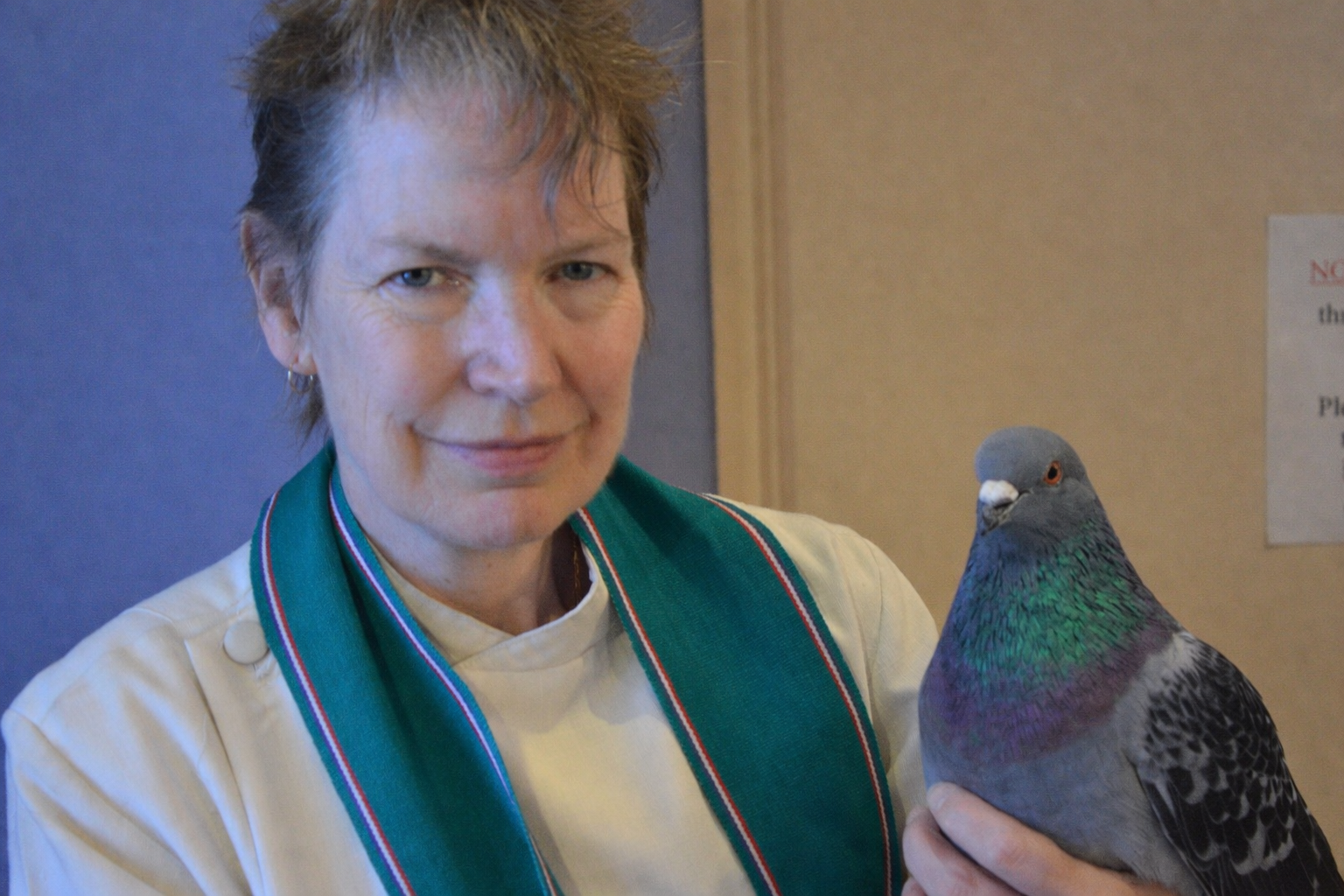
Barbara Allen is a writer and chaplain at Lort Smith Animal Hospital in Melbourne, Australia. She is the author of the book Pigeon, which explores the cultural and historical relationship between humans and pigeons. Allen has also written the picture book I Was There and contributed to publications such as Peace of Mind and Uniting Church Studies.