Pigeon Egg Gestation Period | Incubation Time Guide
If you are raising pigeons, one of the first things you will notice is how quickly things move once a pair starts breeding. The pigeon egg gestation period is something every pigeon keeper needs to understand. It helps you know what is normal and what is not, especially when you are waiting for those eggs to hatch.
From my own experience keeping pigeons, I can tell you that patience is a big part of this process. Many beginners worry when nothing seems to happen for a few days. That is completely normal. Pigeons follow a natural cycle, and once you learn it, things become much easier to manage.
The pigeon egg gestation period is usually around 17 to 19 days. This is the time from when the egg is laid until the baby pigeon, also called a squab, hatches. Both the male and female pigeon take turns sitting on the eggs to keep them warm. This is something you will see daily if you watch your birds closely. It is part of their natural pigeon behavior and bonding.
Why This Topic Matters for Pigeon Owners
Understanding the pigeon egg gestation period can save you from a lot of confusion and mistakes. I have seen many new pigeon keepers disturb the nest too often because they think something is wrong. In reality, they do not know how long the process takes.
When you know the correct timeline, you can:
- Avoid stressing your pigeons during incubation
- Check eggs at the right time without interfering too much
- Prepare for the arrival of baby pigeons
- Spot problems early if eggs do not hatch
This knowledge also connects closely with a good pigeon breeding guide. Breeding is not just about getting eggs. It is about caring for them properly until they hatch.
Another important point is feeding. Healthy parents produce healthy eggs. If you already know what pigeons eat, you can make sure your breeding pair gets the right nutrition during this time.
Over time, you will start to notice small details. For example, how often the parents switch on the nest, how calm or protective they become, and how their routine changes. These signs help you understand your birds better and avoid common pigeon diseases that can affect eggs and chicks.
When you understand the pigeon egg gestation period, you stop guessing and start caring for your pigeons with confidence.
From my own loft experience, the pigeon egg gestation period is usually between 17 and 19 days. Most of the time, I see eggs hatch right around day 18. This timing can vary slightly depending on the weather, care, and how well the parents are incubating.
After the female lays the first egg, she usually lays a second one about a day later. You will almost always see two eggs in a nest. What many beginners do not know is that full incubation really starts after the second egg is laid. This helps both eggs hatch close to the same time.
Both parents share the job of sitting on the eggs. The male usually takes the day shift, and the female takes the night shift. I see this pattern very clearly in my pigeons. It is part of their natural pigeon behavior and one of the reasons pigeons are such good parents.
What Happens During the 17 to 19 Days
During the pigeon egg gestation period, a lot is happening inside the egg, even though you cannot see it.
- Days 1 to 5: The embryo starts forming. At this stage, I avoid touching the eggs too much.
- Days 5 to 10: The baby pigeon begins to develop more clearly. If you gently candle the egg, you may see veins forming inside.
- Days 10 to 15: The squab grows quickly. The egg becomes darker when you examine it under a light.
- Days 16 to 19: The chick gets ready to hatch. You might notice small movements or hear very soft sounds if you are close.
Right before hatching, the chick will break the shell from the inside. This is called pipping. Once it starts, hatching can take several hours.
Practical Pigeon Care Advice During Incubation
This is where real experience matters. Many problems occur because people interfere too much or fail to provide the right care.
Keep the Nest Area Calm
I always make sure the nesting area is quiet and safe. Too much noise or movement can stress the parents. If pigeons feel unsafe, they may leave the eggs for too long.
Do Not Handle Eggs Too Often
It is tempting to check the eggs every day, especially for beginners. I used to do that too. But I learned that less handling is better. Only check when needed, and always with clean hands.
Provide Good Nutrition
Healthy parents mean healthy chicks. During this time, I give a balanced mix of grains along with clean water every day. Knowing what pigeons eat is very helpful here. I also make sure they have access to minerals like grit and calcium.
Watch the Parents, Not Just the Eggs
Instead of focusing only on the eggs, watch the parent birds. If they are sitting regularly and switching turns, things are usually going well. If both birds stay away from the nest for long periods, that is a warning sign.
Keep the Loft Clean
Cleanliness is very important during the pigeon egg gestation period. A dirty loft can lead to pigeon diseases that affect both the parents and the eggs. I clean nesting areas gently without disturbing the birds too much.
Be Patient Near Hatching Time
When the eggs are close to hatching, avoid the urge to help the chick break out. I know it can be hard to watch, but in most cases, the chick needs to do it on its own. Helping too early can actually harm it.
Over time, you will get used to this cycle. Each breeding pair may behave a little differently, but once you understand the basics, managing the pigeon egg gestation period becomes much easier.
Tips and Common Mistakes
When you go through a few breeding cycles, you start to notice that small habits make a big difference. I learned many of these lessons the hard way. If you follow these tips, you can avoid a lot of common problems during the pigeon egg gestation period.
Practical Tips from Real Experience
Give Your Pigeons a Safe Nest
A strong, stable nest helps the eggs stay in place and stay warm. I always use a proper nest bowl with soft nesting material, such as straw or tobacco stems. When the nest feels secure, the parents sit more comfortably.
Make Sure Both Parents Are Healthy
Healthy breeding pairs are the foundation of success. Before breeding, I always observe their energy level, feathers, and appetite. If a bird looks weak or sick, I delay breeding. This reduces the risk of issues related to pigeon diseases.
Provide Fresh Food and Clean Water Daily
During the pigeon egg gestation period, I never skip feeding time. I give a mix of grains and always keep fresh water available. Adding minerals and grit helps the female produce strong eggshells.
If you already understand what pigeons eat, you can easily adjust the diet to support breeding.
Keep a Simple Record
This is something many beginners ignore. I keep track of when eggs are laid and expect hatching around day 18. This helps me stay calm and not worry too early.
Let the Parents Do Their Job
Pigeons are naturally good at raising their young. I only step in if there is a clear problem. Trusting their natural pigeon behavior makes things easier.
Common Mistakes to Avoid
Checking Eggs Too Often
I see this mistake all the time. New keepers keep touching and moving eggs every day. This can stress the parents and even damage the embryo. I only check when needed.
Disturbing the Nest
Too much disturbance can cause pigeons to abandon their eggs. Loud noises, frequent handling, or moving the nest are things I always avoid.
Poor Nutrition
Weak feeding leads to weak eggs. Without proper nutrients, the eggs may not develop properly or may fail to hatch. A good pigeon breeding guide always starts with proper feeding.
Ignoring Signs of Trouble
If the parents are not sitting on the eggs properly, or if the eggs feel cold, something is wrong. I act early in these cases. Waiting too long can result in losing the eggs.
Trying to Help During Hatching
This is a big mistake. Many beginners try to break the shell to help the chick. I understand the urge, but it often does more harm than good. The chick needs to come out on its own.
Final Advice for This Stage
The pigeon egg gestation period is not complicated once you understand it. The key is simple care, patience, and observation.
With time, you will start to recognize normal patterns. You will know when everything is going well just by watching your birds. That is when pigeon keeping becomes truly enjoyable.
FAQ About Pigeon Egg Gestation Period
How long is the pigeon egg gestation period exactly
In most cases, the pigeon egg gestation period is around 17 to 19 days. From what I see in my own loft, day 18 is the most common time for hatching. If the weather is cold or the parents are not sitting properly, it can take a little longer.
Why do some pigeon eggs not hatch
There can be a few reasons for this. Sometimes the egg is not fertilized. Other times, the parents may not keep the eggs warm enough. Poor nutrition can also affect the egg.
I always check the breeding pair’s health and make sure they are eating well. Understanding what pigeons eat helps prevent many of these problems.
Should I candle pigeon eggs?
Yes, but only if you docarefullyully. Usually, all you can ask ffor for is development. veins inside every day, I know the egg is alive.
Do not candle too often. Too much handling can stress the parents and harm the egg.
What should I do if the eggs are not hatching after 19 days
I usually wait until day 20 or even day 21 before making any decision. Sometimes hatching is just a bit late.
If nothing happens after that, I check the eggs. At that point, they are unlikely to hatch. It is also a good idea to review your pigeon breeding guide and see if anything could be improved.
Can I move the eggs to another nest??
I avoid doing this unless it is necessary. Moving eggs can confuse the parents or cause them to stop incubating. Pigeons rely a lot on their natural pigeon behavior, and changing things too much can create problems.
Conclusion
The pigeon egg gestation period is one of the most important parts of raising pigeons. Once you understand that it usually takes around 17 to 19 days, everything starts to make more sense. You stop guessing and start trusting the natural process.
From my own experience, success during this time comes down to simple habits. Keep the nesting area calm. Feed your pigeons well. Avoid touching the eggs too much. Watch the parents closely instead of worrying every day.
Pigeons are very reliable when it comes to breeding. If you give them the right environment, they will do most of the work for you. Their natural pigeon behavior breaks down, and you need to support them.
It also helps to learn more about related topics over time. A good pigeon breeding guide will help you improve results. Knowing what pigeons eat will make your birds stronger. Staying aware of pigeon diseases will protect both eggs and chicks.
The more time you spend with your pigeons, the more confident you will feel. After a few breeding cycles, you will start to recognize what is normal and what needs attention.
Raising pigeons is a learning process, but it is also very rewarding. Watching a healthy chick hatch after the full pigeon egg gestation period is one of the best moments you can experience as a pigeon keeper.
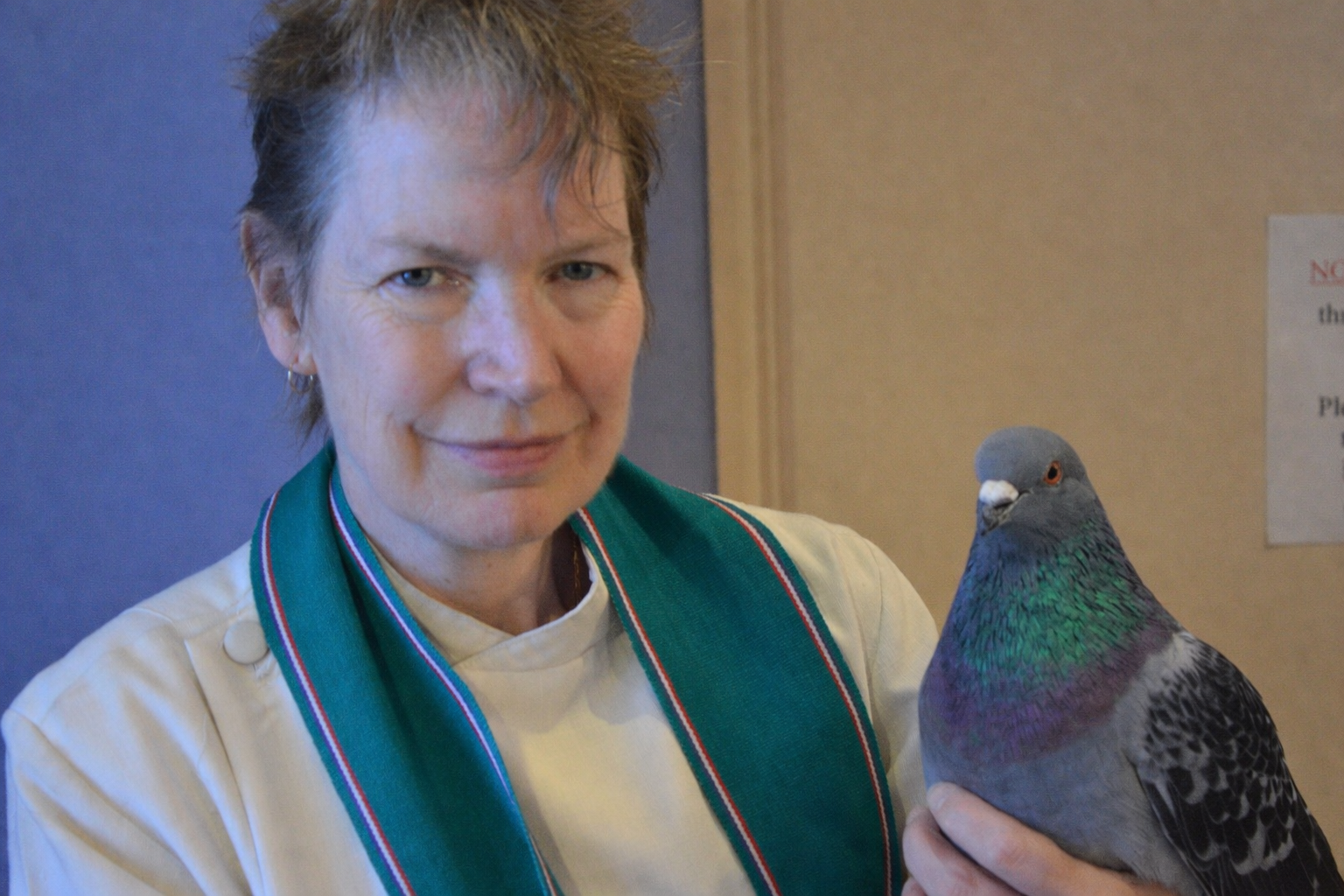
Barbara Allen is a writer and chaplain at Lort Smith Animal Hospital in Melbourne, Australia. She is the author of the book Pigeon, which explores the cultural and historical relationship between humans and pigeons. Allen has also written the picture book I Was There and contributed to publications such as Peace of Mind and Uniting Church Studies.