How To Hatch Pigeon Eggs | Simple Incubation Guide
If you are learning how to hatch pigeon eggs, you are already on one of the most rewarding parts of keeping pigeons. I still remember the first time I watched a pair of my pigeons sit patiently on their eggs. A few days later, I saw tiny chicks hatching from the shell. That moment never gets old.
Hatching pigeon eggs may look simple from the outside, but a lot is going on behind the scenes. Good hatching depends on healthy parent birds, proper nesting, and the right environment. If any of these are off, the eggs may not hatch at all.
Most of the time, pigeons handle everything on their own. They are very good parents. The male and female take turns sitting on the eggs and keeping them warm. But as a pigeon keeper, your role is just as important. You need to make sure they feel safe, well-fed, and stress-free.
This topic matters because many beginners lose eggs without knowing why. I have seen people get frustrated when eggs do not hatch, even though the birds looked fine. Small mistakes, like poor nesting material or excessive disturbance, can make a big difference.
Learning how to hatch pigeon eggs the right way will help you:
- Increase the number of healthy chicks
- Avoid common beginner mistakes
- Understand your pigeons better
- Build a strong breeding setup
It also connects closely with other important areas, such as your pigeon breeding guide, what do pigeons eat, and even pigeon behavior. When you understand how pigeons think and live, hatching becomes much easier and more natural.
When you learn how to hatch pigeon eggs, the first thing to understand is this. Healthy pigeons do most of the work themselves. Your job is to support them without disrupting the process.
I will explain it the same way I follow in my own loft.
Understanding the Pigeon Egg Laying Cycle
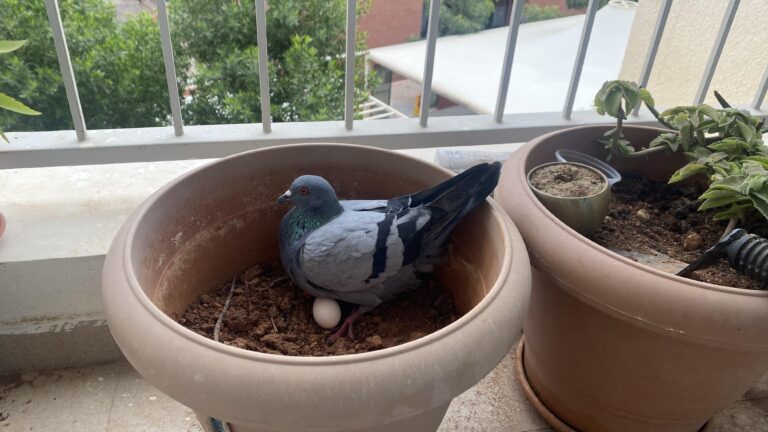
A healthy female pigeon usually lays two eggs. The first egg comes, then the second egg about one day later.
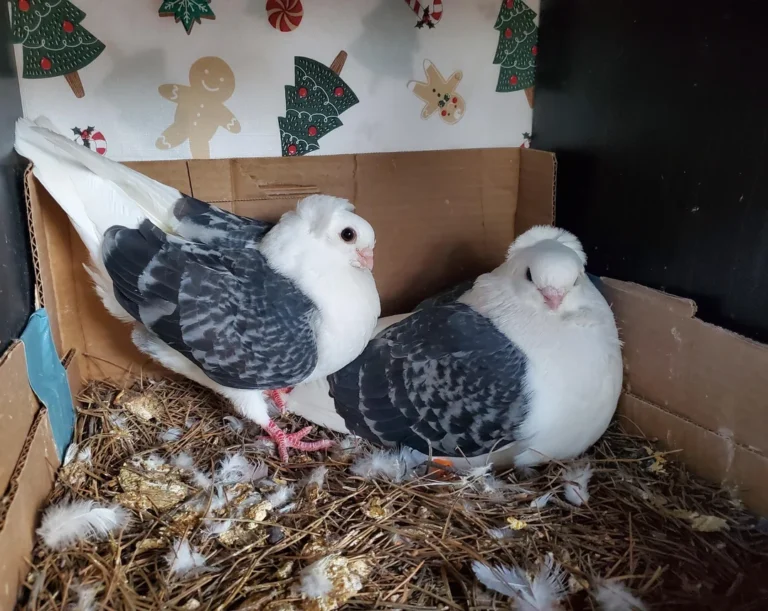
After the second egg, both parents start sitting properly on the eggs. This is called incubation. The male usually sits during the day, and the female takes over at night. I have seen this pattern again and again.
The eggs usually hatch in about 17 to 19 days. Sometimes it can be one day more or less, depending on the weather and care.
Setting Up the Right Nest
A good nest makes a big difference. If the nest is not comfortable, the parents may not sit properly.
Here is what I always do:
- Use a clean nesting bowl or box
- Add dry straw, hay, or soft sticks
- Keep the nest slightly deep so eggs do not roll out
- Place the nest in a quiet and safe area
If pigeons feel unsafe, they may leave the eggs for too long. That can stop hatching.
This is where understanding pigeon behavior really helps. Calm birds hatch eggs better than stressed birds.
Keeping the Right Temperature Naturally
Pigeons regulate their body temperature. You do not need machines if the parents are doing their job.
But you must avoid these problems:
- Cold drafts in the loft
- Too much heat during hot days
- Sudden weather changes
I always make sure the loft has good airflow, but no strong wind directly hits the nest.
Feeding the Parent Birds Properly
Strong parents mean healthy chicks. During incubation, I provide a rich, balanced diet.
This connects directly with what pigeons eat.
I usually feed:
- Good quality grains mix
- Fresh, clean water every day
- Grit for digestion
- Sometimes, extra protein like peas
If the parents are weak, they may not sit properly or feed the chicks well after hatching.
Checking the Eggs Without Disturbing
Many beginners keep touching the eggs again and again. This is a mistake.
I only check when needed, and very gently.
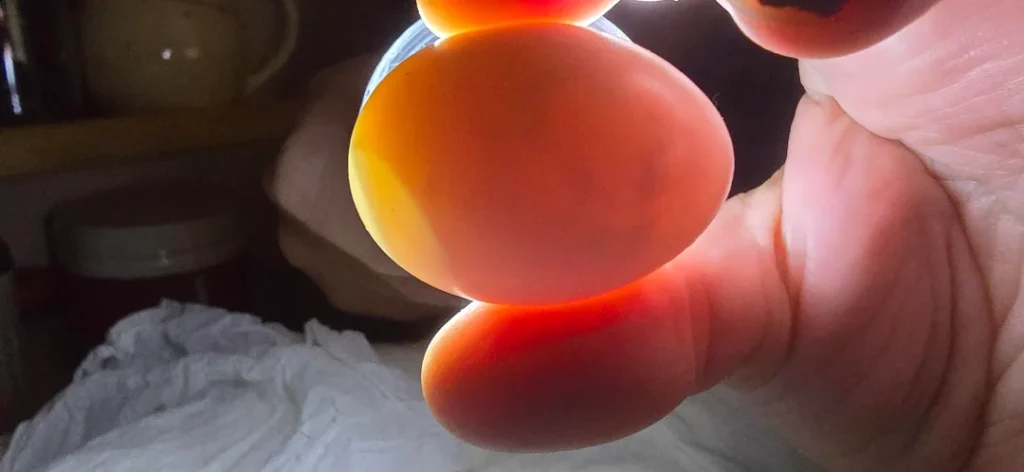
Around day 5 to 7, you can check if the egg is fertile by candling. That means using a small light to see inside the egg. You will see veins if it is fertile.
But honestly, if your pair is healthy, I do not disturb them much. Let nature do its job.
Watching for Signs of Hatching
Close to hatching time, you may notice small cracks on the egg. This is called pipping.
The chick inside is slowly breaking the shell. It can take many hours.
Do not try to help too early. I have seen chicks die because people tried to open the egg too soon.
Just keep the environment calm and let the parents handle it.
What Happens After Hatching
Once the chick hatches, the parents start feeding it crop milk. This is very important for the first few days.
Make sure:
- Food is always available
- Water is clean
- The nest stays dry
At this stage, you should also stay alert for pigeon diseases, because young chicks are sensitive.
From my experience, if you get this stage right, your chances of raising strong pigeons go very high.
Tips and Common Mistakes When Hatching Pigeon Eggs
When I first started learning to hatch pigeon eggs, I made a few mistakes that cost me a few eggs. Over time, I learned that small details matter a lot. Let me share the most useful tips I follow now, along with the mistakes you should avoid.
Give Your Pigeons peace.
One thing I learned early is that pigeons need a calm environment during incubation.
Try to:
- Keep the loft quiet
- Avoid moving the nest
- Do not let strangers or animals disturb the birds
If pigeons feel unsafe, they may stop sitting on the eggs properly. This is a common issue for beginners who check too often.
Understanding pigeon behavior really. A relaxed pair will stay committed to the nest.
Do Not Touch Eggs Too Much
It is tempting to check eggs every day, especially if you are excited. I used to do that too.
But too much handling can:
- Stress the parents
- Cool down the eggs
- Increase the risk of damage
Only check when needed, and keep it quick and gentle.
Make Sure the Pair Is Compatible
Not every male-female pair works well together.
Some signs of a good pair:
- They sit on eggs regularly
- They do not fight near the nest
- They take turns properly
If the pair keeps leaving the eggs, the problem may be a bonding issue. This is something you learn over time from your pigeon breeding guide experience.
Keep the Nest Clean and Dry
A dirty nest can lead to problems such as bacterial infections or pigeon diseases.
I always:
- Replace wet or dirty nesting material
- Keep the loft floor clean
- Avoid water spilling near the nest
Clean conditions improve hatch success and chick health.
Watch the Weather Closely
Weather plays a bigger role than many people think.
In cold conditions:
- Make sure the loft is not drafty
- Add a little extra nesting material
In hot conditions:
- Provide shade
- Keep water available at all times
Extreme weather can affect how well eggs develop.
Do Not Rush the Hatching Process
This is one of the biggest mistakes I see.
When the chick starts breaking the shell, people try to help. I understand the feeling, but it often causes harm.
A chick needs time to:
- Absorb nutrients from the egg
- Strengthen its body before coming out
Helping too early can lead to weak chicks or even death.
Feed Parents a Strong Diet Before and During Incubation
Healthy eggs start before incubation even begins.
I always make sure my birds get:
- Balanced grains
- Clean water
- Minerals and grit
This connects again with what pigeons eat. Good nutrition improves fertility and hatch rate.
Do Not Ignore Infertile Eggs
Sometimes eggs do not develop. It happens even with experienced keepers.
If an egg shows no signs of life after the proper time has passed, remove it. Leaving bad eggs in the nest too long can affect the nest environment.
Be Patient and Observe
The best advice I can give is simple. Watch your pigeons and learn from them.
Every pair behaves a little differently. Over time, you will understand:
- When they feel comfortable
- How they handle their eggs
- What works best in your setup
Experience is your biggest teacher in pigeon keeping.
Frequently Asked Questions About How to Hatch Pigeon Eggs
How long does it take to hatch pigeon eggs?
Most pigeon eggs hatch in about 17 to 19 days. In my loft, I usually see chicks around day 18.
Sometimes it can be a little early or a little late, depending on the temperature, care, and the health of the parent birds. If everything is stable, the timing stays very consistent.
Can pigeon eggs hatch without the parents?
Yes, but it is not easy.
You would need an incubator to control heat and humidity. Even then, it takes experience. The bigger challenge comes after hatching because baby pigeons need crop milk from their parents.
Without that, you must hand-feed them very carefully. For beginners, I always recommend letting the parents do the job. They are much better at it.
How can I tell if a pigeon egg is fertile?
The easiest way is candling.
Around day 5 to 7, you can shine a small light through the egg in a dark place. If you see red veins inside, the egg is fertile. If it looks clear, it is likely infertile.
I still prefer to keep checking minimally. If the pair is healthy and comes from a good pigeon breeding guide setup, most eggs will be fertile.
What should I do if the parents stop sitting on the eggs?
This can happen if the birds are stressed or not bonded well.
First, check for problems:
- Too much noise or disturbance
- Poor nesting setup
- Weak or unhealthy birds
If they keep leaving the eggs, you may need to move the eggs under another reliable pair if you have one. Some experienced keepers use foster parents for this.
Schick help a chhatch from the egg?
In most cases, no.
I have learned this the hard way. Helping too early can harm the chick. It may not be fully ready to hatch.
Only in rare cases, and with experience, should you consider helping. For beginners, it is safer to let nature take its course.
What do baby pigeons eat after hatching?
For the first few days, they eat crop milk from their parents. This is very rich and important for their growth.
That is why feeding the parent birds properly is so important. It connects directly to what pigeons eat and to overall pigeon health.
If the parents are strong, the chicks will grow up healthy and fast.
Conclusion
Learning how to hatch pigeon eggs is not complicated once you understand how pigeons naturally behave. From my own experience, the biggest lesson is simple. Let the birds do their job and support them the right way.
Healthy parent pigeons, a clean nest, and a calm environment are the key things that lead to successful hatching. When these are in place, you will see that pigeons are excellent parents. They know how to care for their eggs better than we do.
Over the years, I have seen that most problems come from small mistakes. Too much disturbance, poor feeding, or a bad nesting setup can cause eggs to fail. But once you fix these basics, your success rate improves quickly.
If you are starting, take your time and observe your birds. Watch how they sit on the eggs, how they protect the nest, and how they behave around each other. This understanding of pigeon behavior will help you more than anything else.
Also, remember that good hatching starts before the eggs are even laid. Strong nutrition, proper pairing, and a clean loft all play a role. That is why topics such as what do pigeons eat, a pigeon breeding guide, and even pigeon diseases are all connected to this process.
There is nothing like the feeling of seeing a healthy chick hatch and grow. It shows that your care and patience are paying off.
Stick to the basics, avoid rushing things, and trust your pigeons. With a little experience, you will get better results each time.
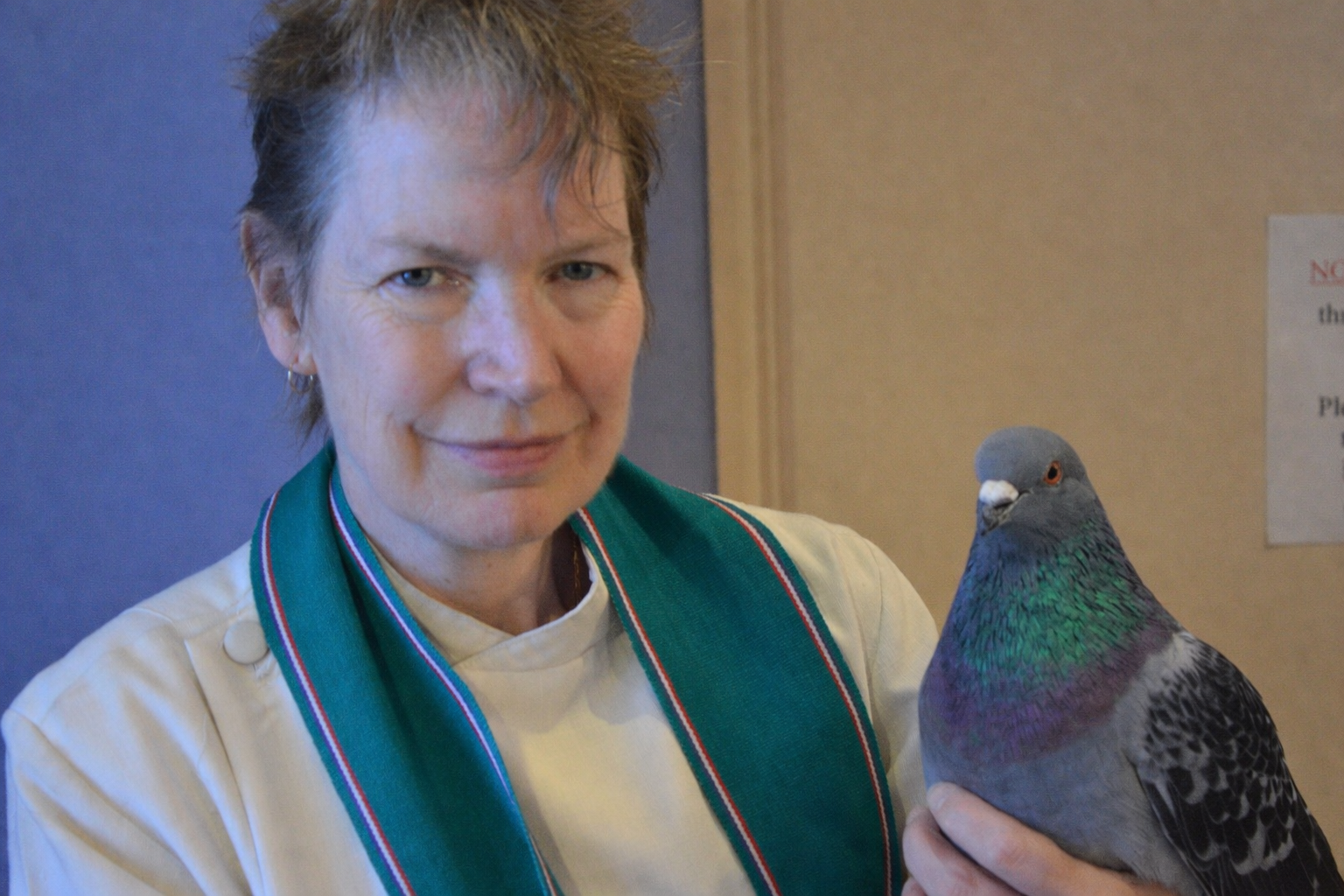
Barbara Allen is a writer and chaplain at Lort Smith Animal Hospital in Melbourne, Australia. She is the author of the book Pigeon, which explores the cultural and historical relationship between humans and pigeons. Allen has also written the picture book I Was There and contributed to publications such as Peace of Mind and Uniting Church Studies.