Is Pigeon Poop Dangerous | Health Risk Explained
If you are raising pigeons or thinking about keeping them, you have probably asked yourself this question at some point: Is pigeon poop dangerous?
I get this question a lot, especially from beginners. When you first start keeping pigeons, seeing droppings in the loft or around your yard can make you a bit nervous. That is completely normal. I had the same concern when I started raising pigeons years ago.
The simple answer is that pigeon poop can be harmful in some situations, but it is not something you need to panic about if you take proper care of your birds and your loft. Most problems come from poor cleaning and bad hygiene, not from the pigeons themselves.
Explain the Topic in Simple Terms
Pigeon droppings are a natural part of keeping birds. Every pigeon produces a lot of waste many times a day. If you have a small loft, you will notice it quickly. If you have more birds, you will be dealing with them daily.
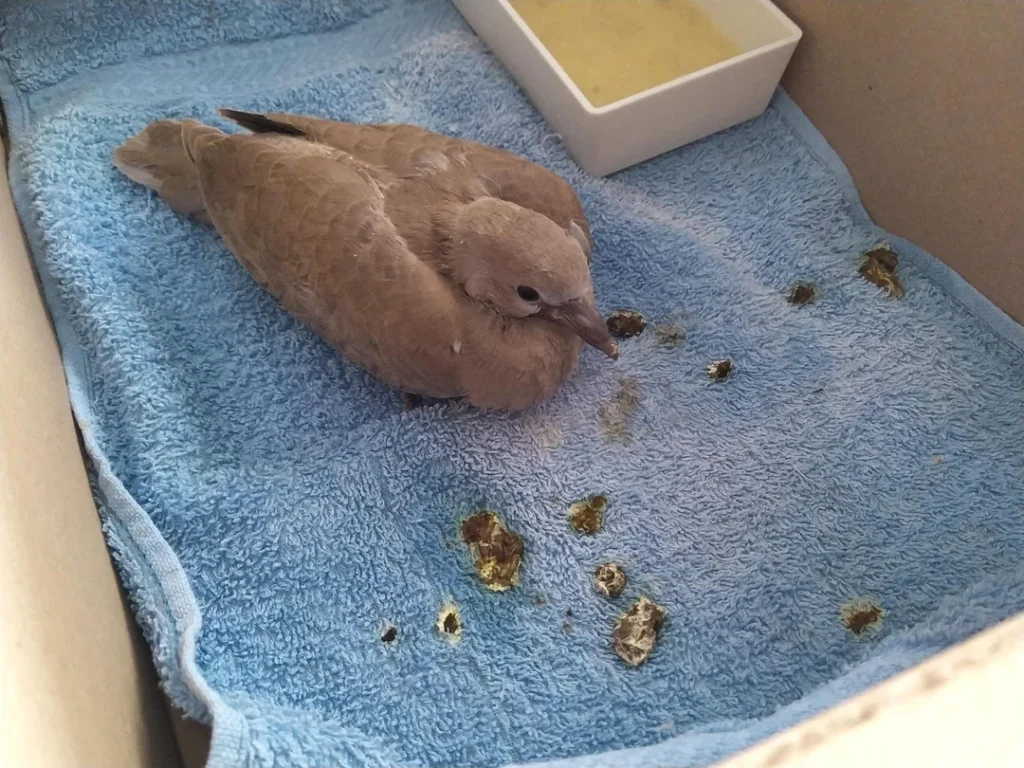
Fresh pigeon poop usually looks soft and moist. It has a mix of white and darker parts. This is normal and part of healthy pigeon behavior. Over time, if droppings are not cleaned, they dry out and turn into dust.
That dried dust marks the real concern. When it gets into the air, especially in a closed space, it can carry germs that may affect your health if you breathe it in often.
So when people ask if pigeon poop is dangerous, what they really need to understand is this. The risk is not just the poop itself, but how it is managed.
Why This Topic Matters for Pigeon Owners
If you keep pigeons, your health and your birds’ health are closely connected. A dirty loft does not just smell bad. It can lead to problems for both you and your pigeons.
From my own experience, the biggest issues happen when people ignore regular cleaning. I have seen new pigeon keepers get excited about breeding and feeding, but they forget about hygiene. That is when trouble starts.
Poor loft hygiene can lead to:
- Breathing problems for the owner
- Spread of pigeon diseases among the birds
- Weak immune systems in pigeons
- Unpleasant living conditions
If you are serious about raising pigeons, you need to treat cleaning as part of your daily routine, just like feeding. It is just as important as knowing what pigeons eat or following a proper pigeon breeding guide.
Good hygiene also helps you spot problems early. For example, changes in droppings can tell you a lot about pigeon diseases before they become serious. I always check droppings when I clean. It is one of the easiest ways to understand what is going on inside your flock.
So yes, pigeon poop can be dangerous if ignored. But with simple care and regular cleaning, it becomes a manageable part of pigeon keeping.
Now let’s talk more clearly about what makes people ask is pigeon poop dangerous.
From my own experience, pigeon droppings are not a big problem when they are fresh and cleaned regularly. The real issue arises when droppings accumulate and dry out. That is when they can carry harmful germs in the air.
There are a few health concerns linked to pigeon poop. You do not need to be scared, but you should understand them.
Germs That Can Come From Pigeon Droppings
Over the years, I have learned that most risks come from breathing in dust from dried droppings, not from touching fresh poop.
Some known problems include:
- Lung infections from breathing dusty droppings
- Fungal infections that affect breathing
- Bacteria that can spread in dirty loft conditions
These problems usually happen in places where pigeons are kept in crowded or poorly cleaned areas. I have visited a few lofts like that, and you can smell and feel the difference right away.
If your loft is clean, open, and well-ventilated, the risk drops significantly.
When Pigeon Poop Becomes Dangerous
Let me be honest with you. In normal home pigeon keeping, the risk is low if you take proper care.
But it becomes risky in situations like:
- Droppings left for many days without cleaning
- Dry dust is building up in corners
- Poor airflow inside the loft
- Handling droppings without washing hands
- Letting kids play in dirty pigeon areas
I have made mistakes in the past. Early on, I skipped cleaning for a few days during a busy week. The loft became dusty, and I started sneezing a lot while cleaning. That was a clear lesson for me.
Since then, I have never ignored cleaning.
Practical Pigeon Care Advice
If you are wondering if pigeon poop is dangerous, the best answer is this. It depends on how you manage your pigeons.
Here is what I do in my daily routine that keeps both my birds and me safe.
Clean the Loft Regularly
I clean my pigeon loft every day or every other day, depending on the number of birds.
- Remove fresh droppings before they dry
- Scrape floors and perches
- Keep nesting areas clean
This simple habit makes a huge difference. It keeps the air fresh and reduces dust.
Keep the Loft Dry
Moisture makes things worse. Wet droppings can smell and spread bacteria faster.
- Make sure rainwater does not enter the loft
- Use dry bedding if needed
- Fix leaks quickly
A dry loft is a healthy loft. I have seen pigeons stay much stronger in dry conditions.
Ensure Good Ventilation
Airflow is very important. I always design my loft so that fresh air can move freely.
- Add windows or mesh openings
- Avoid closed and stuffy spaces
- Let sunlight enter when possible
Good ventilation helps reduce the amount of harmful particles in the air.
Wash Hands After Handling Pigeons
This is a simple habit,but very important.
- Wash your hands after cleaning droppings
- Avoid touching your face while working in the loft
- Keep a small hand-washing area nearby if possible
I always do this, even after years of experience.
Observe Droppings for Health Signs
Droppings tell you a lot about your pigeons.
- Normal droppings look firm with white and green parts
- Watery or unusual color can signal pigeon diseases
- Changes in droppings can help you act early
This connects closely with understanding pigeon behavior. Healthy pigeons act actively and alert, and their droppings reflect that.
Do Not Overcrowd Your Pigeons
Too many pigeons in a small space create more droppings and more risk.
- Give enough space per bird
- Avoid overcrowded nesting areas
- Keep feeding and resting areas clean
When pigeons have space, everything stays cleaner and healthier.
Tips and Common Mistakes
After raising pigeons for years, I can tell you that most problems related to pigeon droppings come from simple mistakes. The good thing is that these mistakes are easy to fix once you know what to watch for.
If you are still wondering whether pigeon poois p is dangerous, this section will help you avoid situations where it actually becomes a problem.
Practical Tips That Work in Real Life
Clean Before Droppings Dry
One of the best habits I learned early is this. Do not let droppings sit too long.
Fresh droppings are much easier to remove. Once they dry, they turn into dust, and that is when they can affect your breathing.
I always try to clean in the morning. It keeps the loft fresh for the rest of the day.
Use Simple Cleaning Tools
You do not need anything fancy.
- A scraper
- A small broom
- A bucket for waste
That is what I use every day. Keeping things simple makes it easier to stay consistent.
Wet the Area Slightly Before Deep Cleaning
When I do a deeper clean, I lightly sprinkle a bit of water on dry areas first.
This helps reduce airborne dust. It is a small trick, but it really works. Just do not make the loft too wet.
Keep Food and Water Areas Clean
Droppings should never mix with food or water.
- Clean feeding trays daily
- Raise water containers slightly off the ground
- Remove any droppings near feeding spots
This is very important when thinking about pigeon diseases. Dirty feeding areas can quickly spread problems.
Pay Attention to Smell
Your nose can tell you a lot.
A clean loft has a mild natural smell. If you notice a strong or unpleasant odor, something is wrong.
Usually, it means cleaning isn’t happening often enough, so moisture is building up.
Give Your Birds Sunlight
Sunlight helps keep the loft dry and reduces the spread of germs.
I always try to let some sunlight into the loft during the day. It improves overall hygiene and keeps pigeons more active.
Common Mistakes Beginners Make
Ignoring Cleaning for a Few Days
This is the most common mistake I see.
Many new pigeon keepers get busy and skip cleaning for a few days. That is enough time for droppings to build up and dry.
Once that happens, cleaning becomes harder and the risk increases.
Thinking Outdoor Pigeons Need No Cleaning
Some people believe that if pigeons are outside, there is no need to clean.
That is not true.
Even outdoor setups need regular cleaning, especially perches and nesting areas. Droppings still collect in the same spots.
Overcrowding the Loft
Trying to keep too many pigeons in a small space leads to a fast buildup of droppings.
This creates more dust, more smell, and more risk.
It also affects pigeon behavior. Stress levels rise, and health problems increase.
Not Watching Droppings Closely
Droppings are one of the easiest ways to understand your pigeons.
Ignoring changes can delay the detection of pigeon diseases.
I always check droppings during cleaning. It takes only a minute, but it can save you a lot of trouble later.
Handling Droppings Carelessly
Some beginners clean without thinking about hygiene.
- Not washing hands
- Touching the face while cleaning
- Wearing the same clothes inside the house
These habits can increase the chance of problems.
Simple care goes a long way.
FAQ Section
Is pigeon poop dangerous to humans?
Yes, pigeon poop can be dangerous to humans in certain situations. From my experience, the risk mostly comes from breathing in dust from dried droppings, not from fresh poop.
If you clean your loft regularly and keep good airflow, the risk stays low. I have been raising pigeons for years, and with proper hygiene, I have not faced serious health issues.
Can you get sick from cleaning pigeon droppings?
You can get sick if you clean a dirty loft filled with dry droppings and dust without taking care. I have felt irritation in my nose and throat when cleaning a neglected area in the past.
To stay safe:
- Clean often so droppings do not dry and turn into dust
- Lightly dampen dry areas before cleaning
- Wash your hands after cleaning
These simple steps make a big difference.
Is it safe to touch pigeon poop?
It is better to avoid direct contact when possible. Fresh droppings are less risky than dry ones, but I still do not touch them with my bare hands.
I always wash my hands after cleaning or handling anything in the loft. This is just basic hygiene and should be part of your routine.
Does pigeon poop harm pigeons, too?
Yes, it can. Dirty conditions can affect your birds just as much as they affect you.
If droppings build up, it can lead to pigeon diseases and weaker health in your flock. I have seen birds lose energy and get sick in poorly cleaned lofts.
Keeping the loft clean helps pigeons stay active and healthy. It also supports natural pigeon behavior and reduces stress.
How often should I clean pigeon droppings?
From my own routine, I recommend cleaning at least once a day or every other day,y depending on how many pigeons you have.
More birds mean more droppings, so cleaning needs to be more frequent. Regular cleaning keeps the loft fresh and makes your job easier.
Conclusion
So, is pigeon poop dangerous?
From my real experience as a pigeon keeper, the answer is simple. It can be dangerous if you ignore it, but it is easy to manage if you take basic care of your loft and your birds.
Pigeon droppings are a normal part of raising pigeons. You cannot avoid them, but you can control how they affect your health. The biggest risk comes from letting droppings build up, dry out, and turn into dust. That is what you want to prevent.
If you keep your loft clean, dry, and well-ventilated, you will not have much to worry about. I have been raising pigeons for years, and my routine is very simple. I clean regularly, I check droppings daily, and I keep things fresh. That alone prevents most problems.
Think of cleaning as part of caring for your pigeons, just like feeding them or learning what pigeons eat. It also helps you notice early signs of pigeon diseases and understand changes in pigeon behavior.
For beginners, do not overthink it. Start with small habits:
- Clean often before droppings dry
- Keep food and water areas clean
- Wash your hands after handling pigeons
- Avoid overcrowding your birds
These simple steps will keep both you and your pigeons safe.
At the end of the day, pigeon keeping is very rewarding. Once you get into a good routine, things become easy. You stop worrying about questions like, ‘Is pigeon poop dangerous?’ because you already know how to manage it the right way.
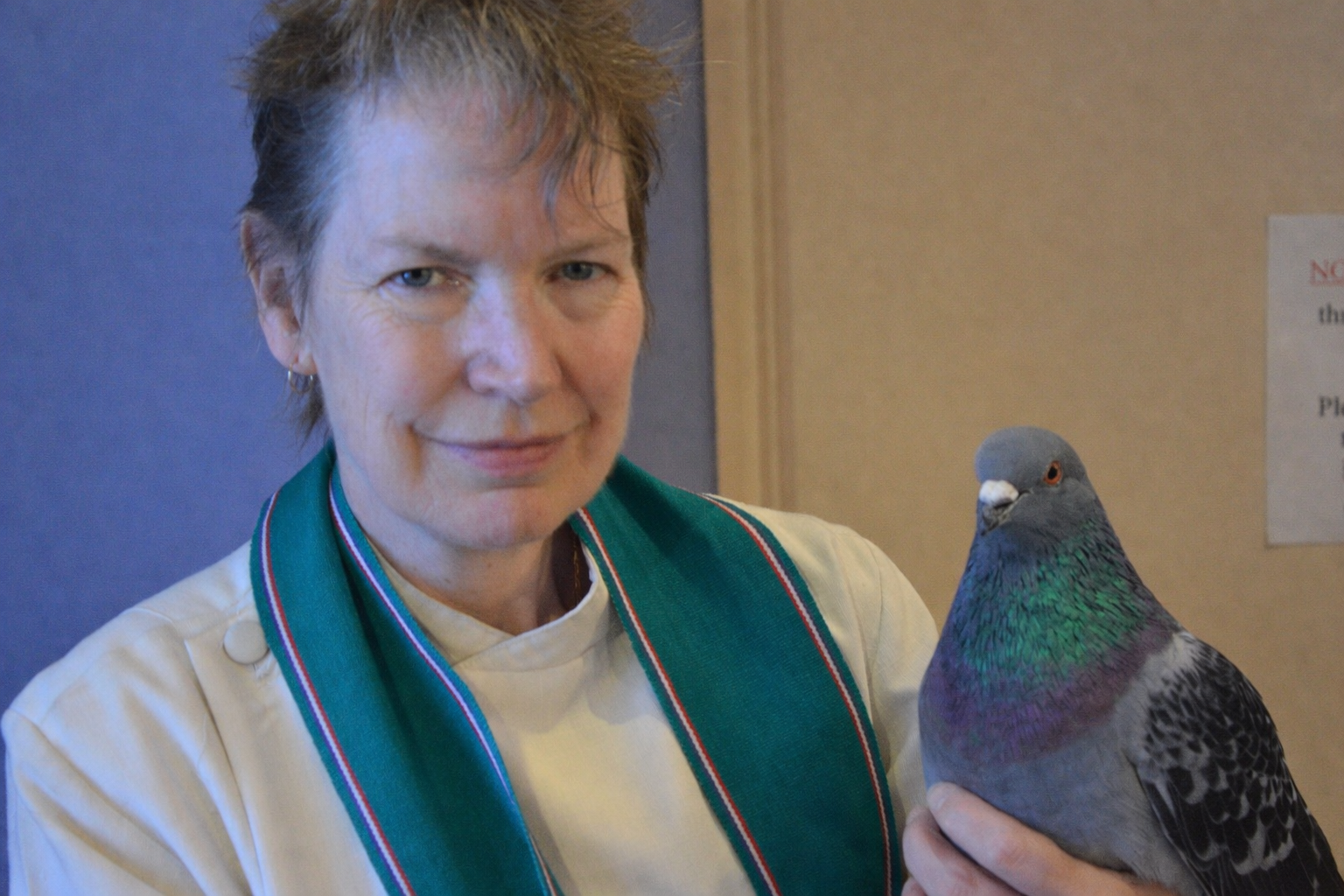
Barbara Allen is a writer and chaplain at Lort Smith Animal Hospital in Melbourne, Australia. She is the author of the book Pigeon, which explores the cultural and historical relationship between humans and pigeons. Allen has also written the picture book I Was There and contributed to publications such as Peace of Mind and Uniting Church Studies.