Bird Flu Symptoms In Pigeons | Warning Signs Guide
If you keep pigeons as I do, you know how quickly a small health problem can turn serious. One concern for many bird owners is the possibility of pigeon flu symptoms. I have seen how quickly illness can spread in a loft, which is why it is important to understand the early signs.
Bird flu, also known as avian influenza, is a viral disease that affects many bird species. Pigeons are not the most common birds to get it, but they are not completely safe either. When it does show up, it can be confusing because the symptoms can resemble those of other pigeon diseases.
From my own experience, the biggest mistake new pigeon keepers make is ignoring small changes in their birds. A pigeon that looks a little quiet or eats less than usual can be the first warning sign. If you catch these signs early, you have a much better chance of protecting the rest of your flock.
What Is Bird Flu in Pigeons
Bird flu is a virus that spreads mainly through contact with infected birds, droppings, or contaminated surfaces. Wild birds can carry it without showing clear signs, and that is often how it reaches backyard pigeons.
In pigeons, bird flu symptoms can sometimes be mild at first. That is what makes it tricky. You might think it is just stress, a change in weather, or a minor issue with feeding. But if you look closely, your pigeons will tell you something is not right.
I always tell beginners who follow my pigeon breeding guide that good observation is one of the most important skills you can have. You learn how your pigeons normally act, eat, and move. That way, you notice changes quickly.
Why This Topic Matters for Pigeon Owners
Understanding bird flu symptoms in pigeons is not just about one sick bird. It is about protecting your whole loft. One infected pigeon can quickly spread the virus to others, especially if they share food and water.
I have seen cases where a single weak bird was ignored, and a few days later, several pigeons became sick. That is a hard lesson to learn, especially if you have invested time and care into raising them.
This also closely connects with other topics such as pigeon diseases and pigeon behaviour. When a pigeon is sick, its behaviour changes before anything else. It may stop flying, sit puffed up, or avoid other birds. These small signs matter more than people think.
Even your feeding routine plays a role. If you understand what pigeons eat and keep their diet clean and balanced, you help strengthen their immune system. Healthy pigeons are always better at fighting infections.
For anyone keeping pigeons in the United States or anywhere else, knowing these symptoms gives you control. It helps you act early, isolate sick birds, and keep your flock safe.
I will now go deeper into the real bird flu symptoms in pigeons and what you should look for every day in your loft.
When it comes to bird flu symptoms in pigeons, the signs are not always obvious at the start. That is why I always watch my birds closely every morning and evening. Small changes can tell you a lot if you pay attention.
Here are the most common symptoms I have seen or learned to watch for:
Weakness and Low Energy
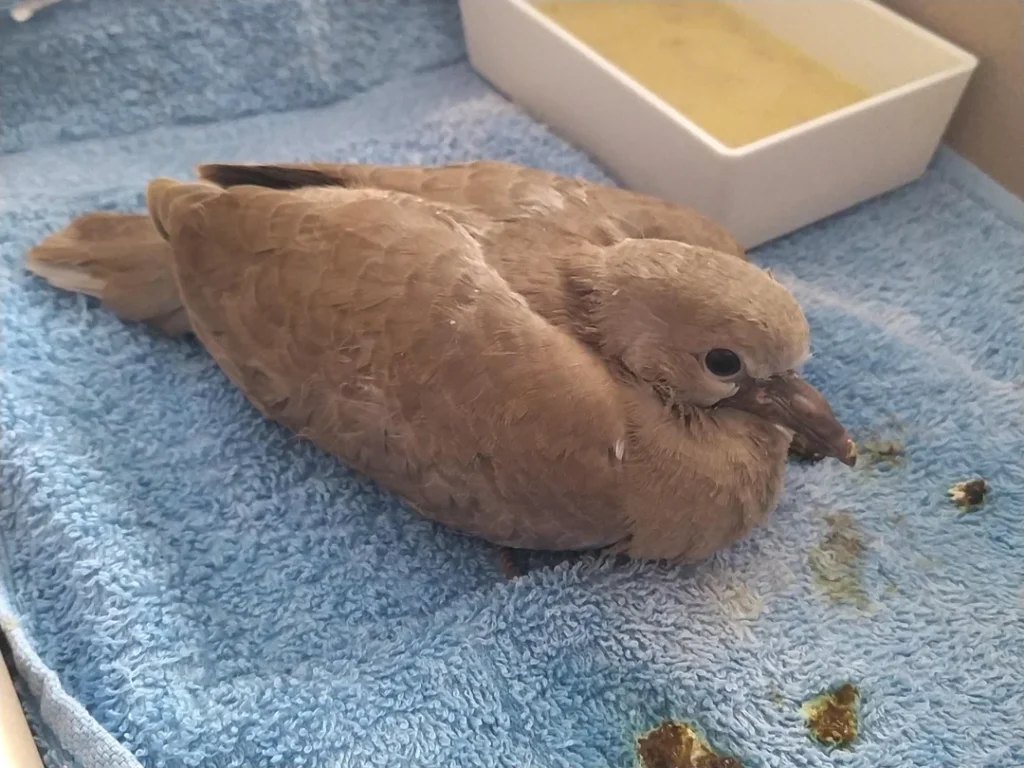
One of the first things you will notice is a tired-looking pigeon. It may sit quietly in a corner instead of moving around with the others.
A healthy pigeon is always alert. It walks around, pecks at food, and reacts to your presence. But a sick pigeon will look dull and slow. Sometimes it keeps its feathers puffed up and stays still for long periods.
Loss of Appetite
This is a big warning sign. If a pigeon stops eating or eats much less than usual, something is wrong.
When I feed my birds, I always watch how they respond. If one pigeon hangs back or only picks a few grains, I keep an eye on it. Food is very important for their strength, so a drop in appetite should never be ignored.
This is also why understanding what pigeons eat is so important. Clean and fresh food helps you notice changes faster.
Breathing Problems
Bird flu can affect the respiratory system. You may notice your pigeon breathing with its mouth open or making soft sounds while breathing.
Some pigeons will stretch their neck forward as if they are trying to get more air. This is not normal behaviour. Healthy pigeons breathe quietly and smoothly.
Diarrhoea or Watery Droppings
Always check the droppings in your loft. It tells you a lot about your birds’ health.
In pigeons with bird flu symptoms, droppings may become watery, greenish, or otherwise unusual in colour. If you see this along with weakness or loss of appetite, take it seriously.
Swelling Around Eyes or Head
Sometimes infected pigeons show swelling around the eyes or face. The eyes may look watery or partially closed.
A healthy pigeon has bright and clear eyes. Any change in that is a sign that something is not right.
Nervous System Signs
In more serious cases, you may see strange movements. The pigeon may lose balance, walk in circles, or have trouble standing.
I remember one young pigeon that could not stand properly. First,t I thought it was injured, but it turned out to be an illness. These signs need quick action.
How Bird Flu Spreads in a Pigeon Loft
From my experience, disease spreads quickly when birds are in close contact. Bird flu can spread through:
• Droppings from infected birds
• Contaminated food and water
• Contact with wild birds
• Dirty loft conditions
If one pigeon drinks from a contaminated water bowl, others can get sick quickly. That is why I always clean feeding and watering areas daily.
Keeping your loft clean is just as important as feeding. Many pigeon diseases start from poor hygiene.
Practical Pigeon Care Advice From Real Experience
Over the years, I have learned that prevention is always better than treatment. Here are some simple things I always do:
Daily Observation
Spend a few minutes just watching your pigeons. Look at how they move, eat, and interact.
Understanding pigeon behaviour helps you notice problems early. A quiet pigeon in a usually active group stands out if you are paying attention.
Keep Sick Birds Separate
If you see any bird flu symptoms in pigeons, move that pigeon away from the others immediately.
I always keep a small separate cage ready for this purpose. Isolation can save your entire flock.
Clean Water and Feed
Never let water sit for too long. I change mine daily.
Dirty water is one of the fastest ways for disease to spread. The same goes for leftover feed. Keep everything clean and fresh.
Limit Contact With Wild Birds
Wild birds can carry diseases without showing signs. Try to keep your loft protected so they cannot mix with your pigeons.
Even a small opening can allow contact, especially during feeding time.
Support Strong Health
Healthy pigeons are more resistant to illness. Good food, clean space, and low stress make a big difference.
If you follow a proper pigeon breeding guide and care routine, your birds will stay stronger overall.
Tips and Common Mistakes
When dealing with bird flu symptoms in pigeons, I have seen many people make the same mistakes again and again. I made some of these mistakes myself when I first started. Over time, you learn what works and what can make things worse.
Let me share some simple tips that have helped me keep my pigeons safe, along with mistakes you should avoid.
Tip 1: Act Fast When You Notice Changes
The biggest lesson I learned is this. Do not wait.
If a pigeon looks weak, stops eating, or sits alone, take action right away. Move it to a separate place and watch it closely.
Many beginners wait a day or two, hoping the bird will get better on its own. That delay can allow the illness to spread to other pigeons.
Tip 2: Always Keep a Separate Isolation Space
I always keep a small cage ready for sick birds. It does not need to be fancy. It just needs to be clean and away from the main loft.
When you see bird flu symptoms in pigeons, isolation is one of the best things you can do. It protects the rest of your flock and lets you monitor the sick bird more closely.
Tip 3: Clean the Loft Regularly
Cleanliness is everything in pigeon keeping.
I clean droppings daily and wash water containers often. If you leave droppings for too long, bacteria and viruses can build up quickly.
Many pigeon diseases spread due to poor conditions, not just from outside infections.
Tip 4: Watch Feeding Behaviour Closely
Feeding time tells you a lot about your birds.
A healthy pigeon will come quickly to eat. If one bird stays back or eats very little, that is a warning sign.
Understanding what pigeons eat and keeping food fresh helps you spot problems early. Stale or dirty feed can also make birds sick.
Tip 5: Reduce Stress in Your Loft
Stress weakens pigeons and increases their risk of illness.
Avoid overcrowding your loft. Give your birds enough space. Sudden changes in environment, noise, or handling can also stress them.
When pigeons feel calm and safe, their immune system works better.
Common Mistakes to Avoid
Now let me talk about mistakes I have seen many times, especially with new pigeon keepers.
Mistake 1: Ignoring Early Symptoms
This is the most common mistake.
A pigeon looks a little quiet or has slightly watery droppings, and the owner ignores it. Later, more birds get sick.
Bird flu symptoms in pigeons often start small. You have to take them seriously from the beginning.
Mistake 2: Mixing Sick and Healthy Birds
Some people keep sick pigeons with the rest of the flock, hoping they will recover.
This is risky, diseases spread quickly in shared spaces, especially through water and feed.
Always separate a sick bird as soon as you notice something is wrong.
Mistake 3: Poor Loft Hygiene
Skipping cleaning for a few days may not seem like a big deal, but it adds up.
Dirty floors, old droppings, and unclean water create the perfect environment for disease.
Good hygiene is one of the best defences against bird flu and other pigeon diseases.
Mistake 4: Not Understanding Normal Behaviour
If you do not know normal pigeon behaviour, it is hard to spot when something is wrong.
Spend time watching your birds when they are healthy. Notice how they move, eat, and interact.
This makes it much easier to detect changes early.
Mistake 5: Overcrowding the Loft
Too many pigeons in a small space leads to stress and faster disease spread.
I always try to give my birds enough room to move freely. It keeps them healthier and reduces problems.
This is especially important if you are following a pigeon breeding guide and raising young birds.
Final Thought for This Section
Taking care of pigeons is not just about feeding them. It is about paying attention every day.
If you stay alert, keep things clean, and act quickly, you can handle most health problems before they become serious.
Next, I will answer some common questions people have about bird flu symptoms in pigeons.
FAQ Section
Here are some common questions I often hear from pigeon owners about bird flu symptoms in pigeons. I will answer them based on real experience, not just theory.
Can pigeons really get bird flu?
Yes, pigeons can get bird flu, but it is less common compared to other birds like chickens or ducks.
From what I have seen, pigeons are a bit more resistant, but that does not mean they are safe. If they come into contact with infected birds or contaminated areas, they can still get sick.
That is why I always try to keep my loft clean and limit contact with wild birds.
How fast does bird flu spread in pigeons?
It can spread very quickly if you are not careful.
If pigeons share the same water and feed, the virus can move through the flock in a short time. I have seen situations where one sick bird led to several others getting weak within a few days.
This is why isolation is so important when you notice bird flu symptoms in pigeons.
What should I do if I see symptoms in one pigeon?
Act immediately.
First, move the sick pigeon to a separate cage. Then clean the loft, especially the feeding and watering areas.
Watch your other pigeons closely for any changes in pigeon behaviour. If more birds start showing signs, you may need extra care and possibly advice from a bird expert.
Do not wait and hope it gets better on its own.
Can bird flu symptoms look like other pigeon diseases?
Yes, and this is where many people get confused.
Symptoms such as weakness, loss of appetite, and watery droppings can also occur with other pigeon diseases. That is why it is important to assess the bird’s overall condition and the rate of spread of the problem.
When in doubt, always treat it seriously and take preventive steps.
Can I prevent bird flu in my pigeons?
You cannot control everything, but you can significantly reduce the risk.
Keep your loft clean, provide fresh food and water, and avoid contact with wild birds. Strong, healthy pigeons are less likely to get sick.
Following good care habits like those in a pigeon breeding guide also helps keep your flock safe over time.
Conclusion
Bird flu symptoms in pigeons are not always easy to spot at first, but if you spend time watching your birds every day, you will notice when something is not right.
From my own experience, the key is simple. Pay attention, act fast, and keep everything clean.
A pigeon that looks quiet, stops eating, or has unusual droppings should never be ignored. These small signs are often the first warning. If you catch them early and separate the bird, you can protect the rest of your flock.
Good care makes a big difference. Clean water, fresh food, and proper space help your pigeons stay strong. When you understand what pigeons eat and follow a solid pigeon breeding guide, you build a healthy foundation for your birds.
It also helps to understand pigeon behaviour. Healthy pigeons are active, alert, and social. Any change in that behaviour is your signal to take a closer look.
Over the years, I have learned that most problems in pigeon keeping can be managed if you stay consistent with care and do not ignore early signs. Bird flu is serious, but with the right habits, you can reduce the risk and keep your pigeons safe.
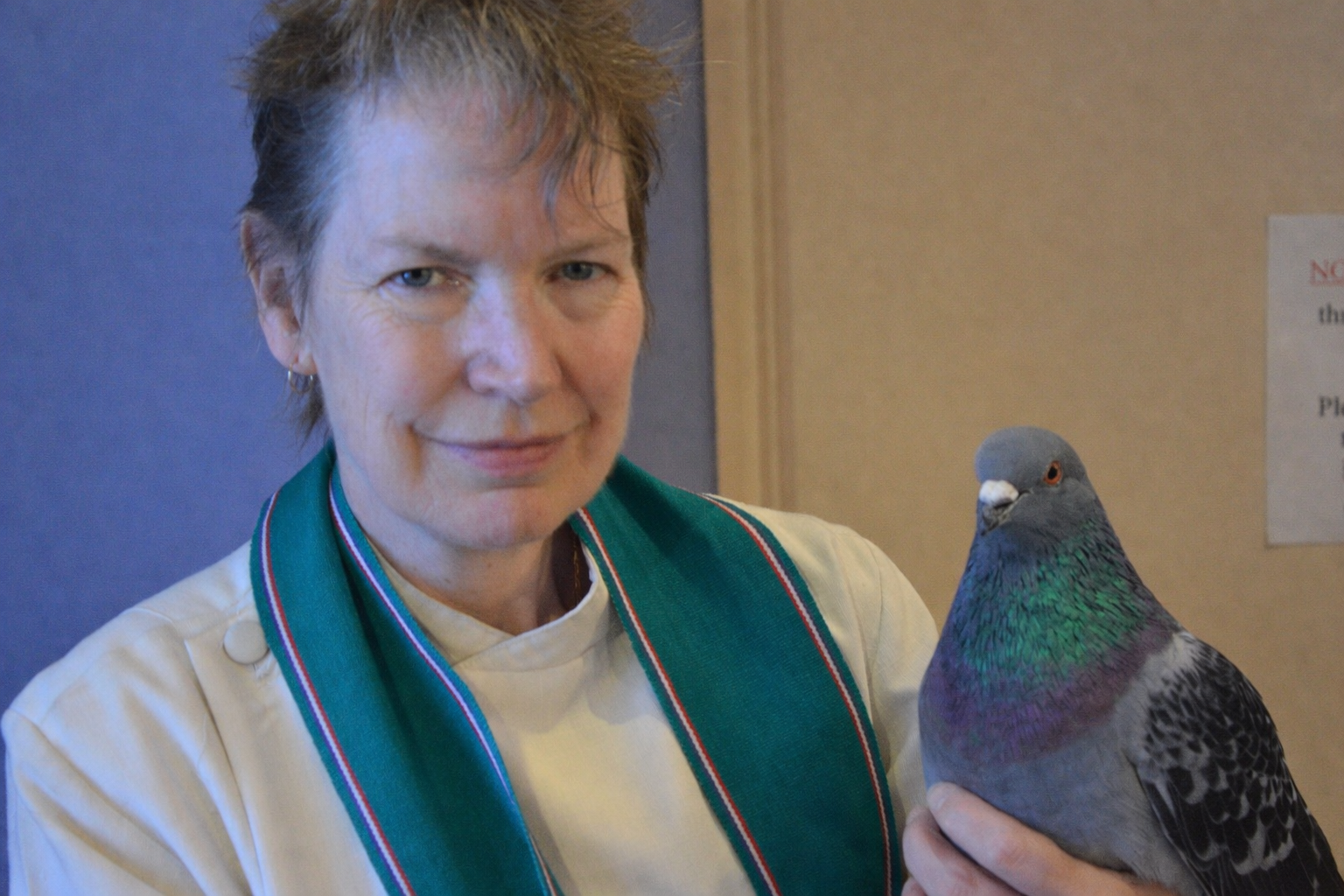
Barbara Allen is a writer and chaplain at Lort Smith Animal Hospital in Melbourne, Australia. She is the author of the book Pigeon, which explores the cultural and historical relationship between humans and pigeons. Allen has also written the picture book I Was There and contributed to publications such as Peace of Mind and Uniting Church Studies.