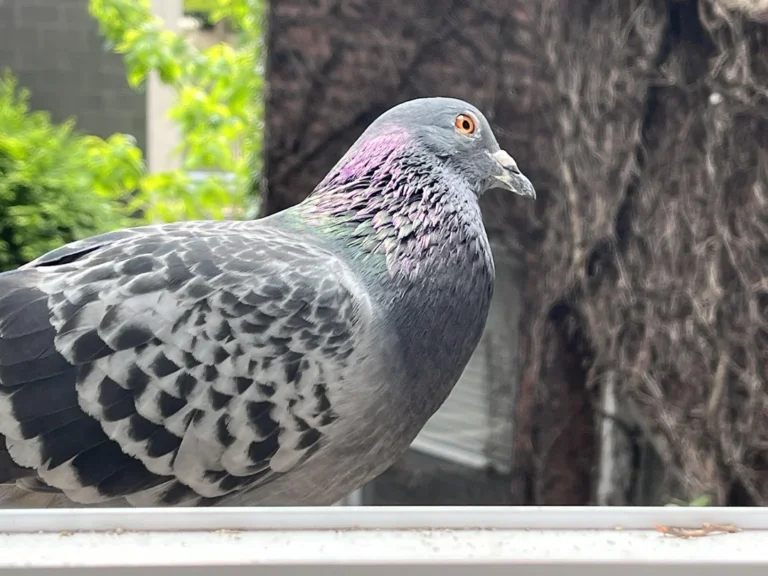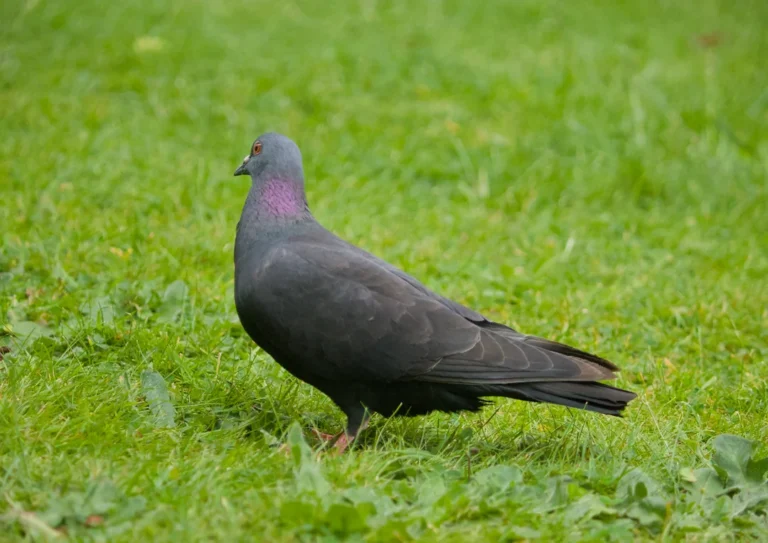
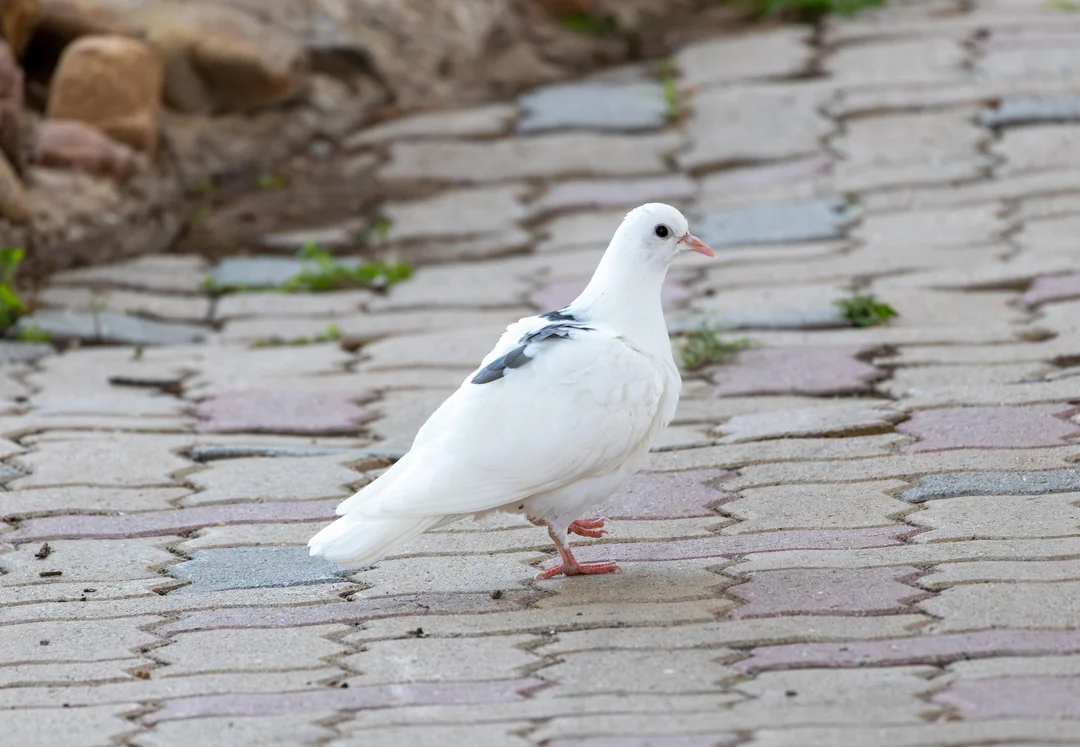
Do Pigeons Get Bird Flu | Avian Flu Facts
If you keep pigeons, one question that often comes up is this: Do pigeons get bird flu? I have been raising pigeons for years, and I understand why this worries people. When you hear about bird flu in the news, it can sound serious and even scary.
The simple truth is that pigeons can come into contact with bird flu viruses, but they are not as easily affected as many other birds, such as chickens or ducks. Still, that does not mean we can ignore the risk. As a pigeon keeper, it is always better to stay careful and informed.
I have seen many beginners assume pigeons are completely safe from diseases. That is not true. Pigeons are strong birds, but they still need proper care and protection. Understanding how bird flu works helps you keep your birds healthy and avoid problems before they start.
Explain the topic in simple terms.
Bird flu, also known as avian influenza, is a virus that spreads between birds. It can affect many types of birds, especially farm birds like chickens. The virus usually spreads through droppings, dirty water, or close contact with infected birds.
When it comes to pigeons, things are a bit different. From my experience, pigeons are less likely to get very sick from bird flu compared to other birds. Many times, they may not even show clear signs. But they can still carry the virus in some cases, which means they can spread it without you noticing.
This is why pigeon keepers should not take it lightly. Even if your pigeons look healthy, good hygiene and proper care are always important.
If you already know about common pigeon diseases, you will understand that prevention is always easier than treatment. Bird flu is just one more reason to keep your loft clean and your birds well managed.
Why this topic matters for pigeon owners
This topic matters because your pigeons depend on you. If bird flu enters your loft, it can affect your birds and even spread to nearby birds.
I have learned over time that small mistakes can lead to big problems. Letting wild birds mix with your pigeons, using dirty water, or skipping cleaning can increase the risk. Many beginners do not realise this until they face issues.
Also, if you are into pigeon breeding, keeping your birds healthy becomes even more important. A healthy breeding pair gives strong chicks, while sick birds can pass problems to the next generation. That is why a good pigeon breeding guide always includes disease prevention.
Another reason this matters is peace of mind. When you understand how bird flu works, you feel more confident. You know what to watch for and how to protect your birds.
Even simple things like learning what pigeons eat and how pigeon behaviour changes when they are sick can help you notice early warning signs.
From my own experience, the best pigeon keepers are not the ones who never face problems. They are the ones who stay prepared and act early.
So let’s talk more clearly about it. Do pigeons get bird flu? Yes, pigeons can be exposed to bird flu, but they are not as sensitive to it as chickens or ducks. In most cases, pigeons do not show strong symptoms even if they come into contact with the virus.
From what I have seen in my own loft and from other keepers, pigeons are quite resistant. They have a strong natural defence. But this does not mean they are fully safe. A pigeon can still carry the virus and pass it to other birds without looking sick.
This is where many people get confused. They see their pigeons acting normal and think everything is fine. But bird flu can still be present in the environment. That is why awareness matters.
Bird flu usually spreads in a few common ways:
Contact with wild birds
Wild birds are one of the biggest risks. They can carry the virus and spread it through droppings or shared water sources. If wild birds can enter your loft or sit near your pigeons, the risk increases.
Contaminated food or water
If food or water becomes contaminated, especially with droppings, it becomes a major source of infection. I always tell new keepers that clean water is just as important as good food.
Dirty loft conditions
A dirty loft is the fastest way to invite disease. I have seen healthy pigeons become weak due to poor hygiene. Bird flu and other pigeon diseases spread easily in unclean spaces.
Practical pigeon care advice
Now I will share what I actually do in my daily routine to keep my pigeons safe.
Keep wilds away
I try my best to keep wild birds out of the loft. Use proper wire mesh and avoid leaving food outside. If wild birds eat from your pigeon feeder, that is a big risk.
Clean water every day
Fresh water is a must. I change the water daily, sometimes twice in hot weather. Never let pigeons drink from dirty containers. This is one of the easiest ways to prevent disease.
Maintain loft hygiene
I clean droppings regularly. A dry and clean loft keeps pigeons healthy. Wet and dirty floors are dangerous because viruses can survive there.
Good hygiene also helps prevent many other pigeon diseases, not just bird flu.
Observe pigeon behaviour
Your pigeons will show signs if something is wrong. You need to pay attention. A healthy pigeon is active, alert, and eats well.
If you notice a pigeon sitting quietly, not eating, or acting strange, that is a warning sign. Understanding pigeon behaviour helps you catch problems early.
Provide proper nutrition
Healthy pigeons fight disease better. I always make sure they get a balanced diet. If you already know what pigeons eat, you will understand how important grains, minerals, and clean water are.
Weak pigeons get sick faster. Strong pigeons recover better.
Avoid overcrowding
Too many pigeons in a small space can spread disease quickly. I always keep enough space for each bird. This keeps stress low and reduces the chance of infection spreading.
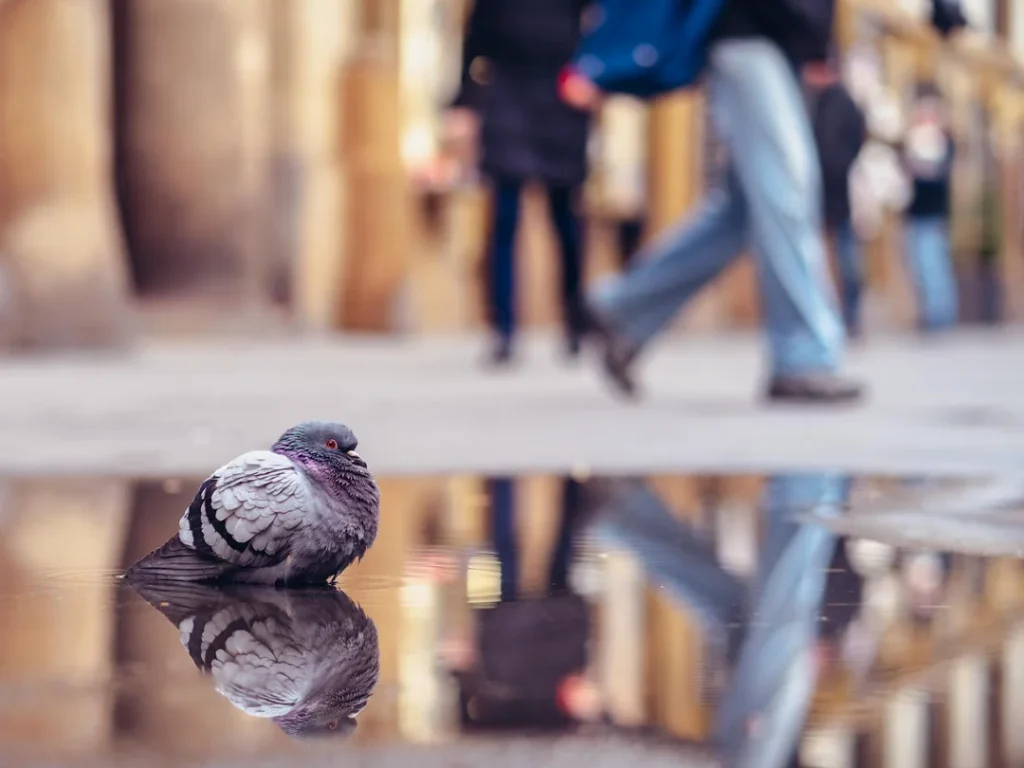
Be careful when adding new pigeons.
Whenever I bring new pigeons into my loft, I keep them separate for a few days. This simple step has saved me many times. New birds can carry diseases without showing signs.
Tips and common mistakes
Over the years, I have seen many pigeon keepers make the same mistakes in disease control. Most of the time, it is not because they do not care. It is because they do not know what to look for.
Here are some simple tips that I personally follow, along with common mistakes you should avoid.
Tip 1: Keep a daily routine
Pigeons do best when you follow a routine. Feed them at the same time, clean the loft regularly, and check their condition every day.
This helps you notice small changes. If one bird starts acting differently, you will catch it early.
Common mistake: Ignoring small changes
Many beginners ignore early signs. A pigeon sitting quietly, eating less, or staying puffed up can be the first warning.
I always say this. If something looks off, do not wait. Check it right away.
Tip 2: Keep feeders and drinkers clean
I clean feeders and water containers often. Even if they look clean, bacteria and viruses can still be there.
Clean tools reduce the chance of bird flu and other pigeon diseases spreading.
Common mistake: Using the same dirty water
Some people top up water without cleaning the container. This is a big mistake. Dirty water is one of the fastest ways for disease to spread in a loft.
Always empty and refill with fresh water.
Tip 3: Control outside exposure
Limit contact between your pigeons and outside birds. Even if your pigeons are strong, outside birds can bring problems.
I always make sure my loft is secure.
Common mistake: Letting pigeons mix freely with wild birds
This happens a lot. Feed placed outside attracts wild birds, and they mix with your pigeons. This increases the risk of bird flu.
Try to keep feeding areas controlled and protected.
Tip 4: Learn normal pigeon behaviour
When you know how your pigeons normally act, you can quickly spot problems. Healthy pigeons are active, alert, and social.
If you understand pigeon behaviour, you will notice when something is wrong.
Common mistake: Thinking quiet pigeons are just resting
Sometimes a sick pigeon sits still and looks calm. But that is not normal if it continues for long.
Always observe closely.
Tip 5: Support your birds with good nutrition
Strong pigeons handle stress and disease better. I always focus on quality feed and clean water.
If you already understand what pigeons eat, you know how important a balanced diet is.
Common mistake: Feeding low-quality or unclean food
Cheap or dirty feed can weaken your pigeons. Weak birds are more likely to get sick.
Always store feed properly and keep it dry.
Tip 6: Keep breeding birds extra healthy
If you are following a pigeon breeding guide, you know breeding birds need extra care. Their health affects the chicks.
I always make sure breeding pairs are strong and active.
Common mistake: Breeding from weak pigeons
Some people breed pigeons that are not fully healthy. This can lead to weak offspring and more health problems later.
Always choose strong birds for breeding.
FAQ section
Here are some common questions I often hear from pigeon keepers about bird flu. I will answer them based on real experience and simple understanding.
Do pigeons get bird flu easily?
No, pigeons do not get bird flu as easily as chickens or ducks do. They are more resistant. But they can still carry the virus in some cases. That is why you should still be careful and follow good hygiene practices.
Can pigeons spread bird flu to other birds?
Yes, it is possible. Even if a pigeon looks healthy, it can carry the virus and pass it to other birds through droppings or shared water. This is why keeping your loft clean and limiting contact with wild birds is very important.
What are the signs of bird flu in pigeons?
In most cases, pigeons may not show clear signs. But if they do, you might notice low energy, less eating, or unusual pigeon behaviour like sitting quietly for long periods.
Any sudden behaviour change should be taken seriously. It is always better to act early.
How can I protect my pigeons from bird flu?
Focus on simple daily care. Keep the loft clean, provide fresh water, and stop wild birds from mixing with your pigeons.
Also, make sure your birds are strong and well-fed. If you understand what pigeons eat, you already know how important nutrition is for their health.
Should I worry about bird flu as a pigeon keeper?
You do not need to panic, but you should stay careful. From my experience, most pigeon keepers never face serious issues if they follow proper care.
Think of it like other pigeon diseases. Awareness and good habits make a big difference.
Conclusion
So, let’s come back to the main question one more time. Do pigeons get bird flu? Yes, they can be exposed to it, but they are not as easily affected as many other birds. Still, that does not mean you should ignore the risk.
From my own experience raising pigeons, I can tell you this. Good care and daily attention make all the difference. Most problems in a loft can be avoided with simple habits such as using clean water, keeping the loft dry, and careful observation.
The biggest mistake I see is people becoming too relaxed. They think their pigeons look fine, so everything must be fine. But diseases do not always show clear signs at the beginning. That is why it helps to understand pigeon behaviour and notice even small changes.
If you keep your birds strong with proper feeding, as you would learn from what do pigeons eat, and follow a good routine, your pigeons will stay healthy. This is even more important if you are involved in breeding. A solid pigeon breeding guide always starts with healthy parent birds.
Also, never forget that bird flu is just one of many pigeon diseases. The same basic care helps protect your birds from most health issues.
At the end of the day, pigeon keeping is about consistency. Small daily efforts build a healthy loft. If you stay alert, keep things clean, and care for your birds properly, you will rarely face serious problems.
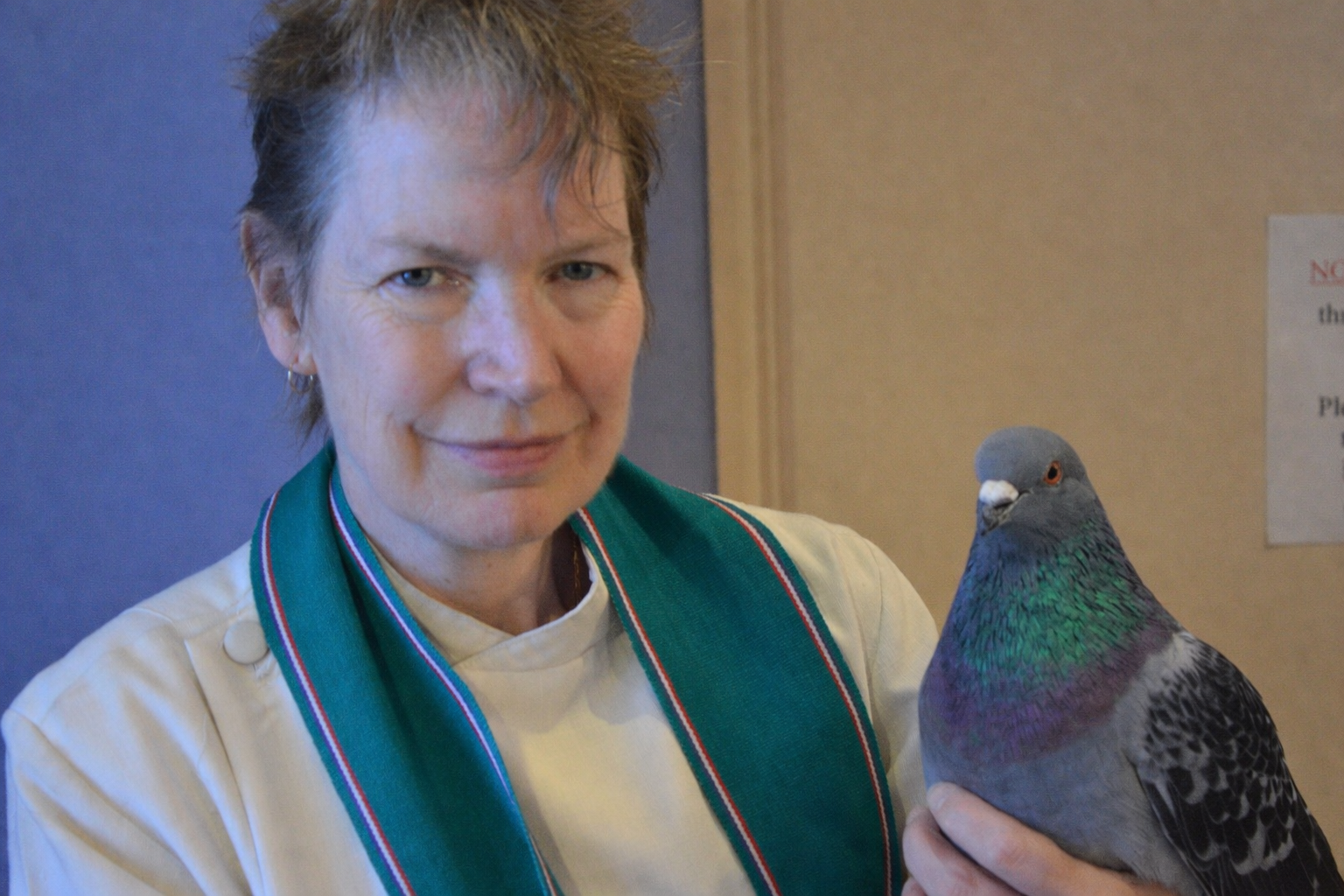
Barbara Allen is a writer and chaplain at Lort Smith Animal Hospital in Melbourne, Australia. She is the author of the book Pigeon, which explores the cultural and historical relationship between humans and pigeons. Allen has also written the picture book I Was There and contributed to publications such as Peace of Mind and Uniting Church Studies.