Types Of Pigeon Breeds | Popular Pigeon Varieties Guide
When people first get into pigeons, one of the first things they ask me is about the different types of pigeon breeds. I remember feeling the same way when I started. There are so many kinds out there, and each one looks and behaves a little differently.
The truth is, learning about the types of pigeon breeds can really change how you raise them. Some pigeons are great for flying. Some are better for breeding. Others are kept just because they look beautiful in the loft. If you pick the right breed for your goal, everything becomes easier.
I have raised several types over the years, and I can tell you from experience that not all pigeons are the same. Some are calm and easy to handle. Others are more active and need more space. Knowing this early saves you a lot of trouble later.
Explain the Topic in Simple Terms
When we talk about types of pigeon breeds, we are simply talking about the different kinds of pigeons that people raise. Just like dogs have many breeds, pigeons do too.
Each breed has its own purpose. Some common groups include:
- Flying pigeons
- Fancy pigeons
- Utility pigeons
Flying pigeons are often used for racing or homing. These birds are strong and have great directional sense. Fancy pigeons are raised for their looks. They may have unique feathers, colors, or body shapes. Utility pigeons are usually raised for meat or breeding.
From my own loft, I can tell you that choosing the right type makes daily care easier. For example, racing pigeons need regular exercise and training. Fancy pigeons need more protection and careful handling. Utility pigeons grow fast and need good feeding.
Understanding these differences also helps when you learn about what pigeons eat, since feeding can change depending on the breed and purpose.
Why This Topic Matters for Pigeon Owners
Choosing from the many types of pigeon breeds is not just about looks. It affects how you care for your birds every single day.
If you pick a breed that doesn’t match your setup, you may run into problems. I have seen beginners buy high-flying pigeons but keep them in small spaces. The birds get stressed and unhealthy. On the other hand, calm breeds do well in smaller backyard setups.
It also affects breeding. Some breeds are very good parents, while others need extra help. This becomes important when you follow a proper pigeon breeding guide and want healthy chicks.
Health is another reason this matters. Certain breeds are more sensitive and can get sick more easily if not properly cared for. Learning about pigeon diseases becomes easier when you understand your breed’s needs.
Even behavior changes from breed to breed. Some pigeons are friendly and easy to manage. Others are more alert and nervous. Knowing this helps you better understand pigeon behavior and handle your birds.
From my own experience, taking the time to learn about breeds in the beginning saves money, time, and stress. It helps you build a loft that runs smoothly and keeps your pigeons healthy and happy.
Now, let me walk you through the main types of pigeon breeds based on my own experience from my loft and what I have seen other keepers do.
Flying Pigeons
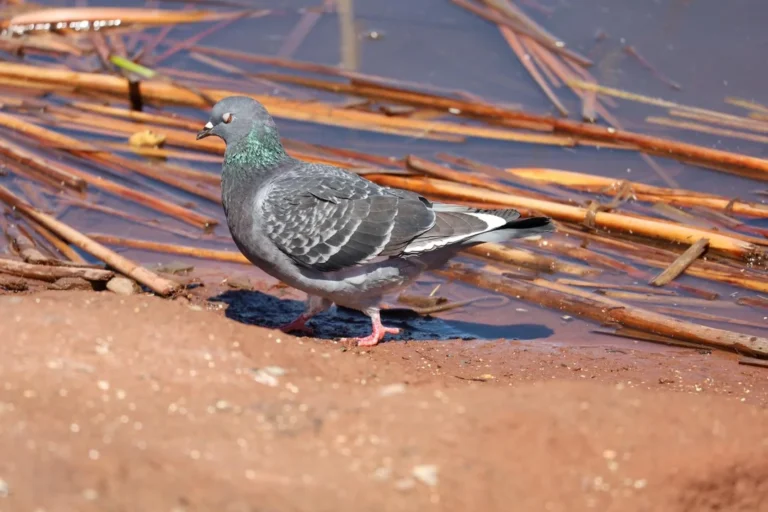
Flying pigeons are some of the most popular birds, especially in the United States. These include homing pigeons and racing pigeons.
These birds are strong, active, and love to fly. They have a natural ability to find their way home, even from long distances. I still remember the first time I released a young bird and watched it circle the sky before coming back. That is something you never forget.
If you plan to raise flying pigeons, you need to give them regular flying time. Keeping them locked up all the time will stress them out.
Common traits of flying pigeons:
- Strong wings and good stamina
- Very alert and active
- Need daily exercise
- Great for racing or hobby flying
These birds also need proper feeding. If you are not sure, learning what pigeons eat will help you give them the right mix for energy and recovery.
Fancy Pigeons
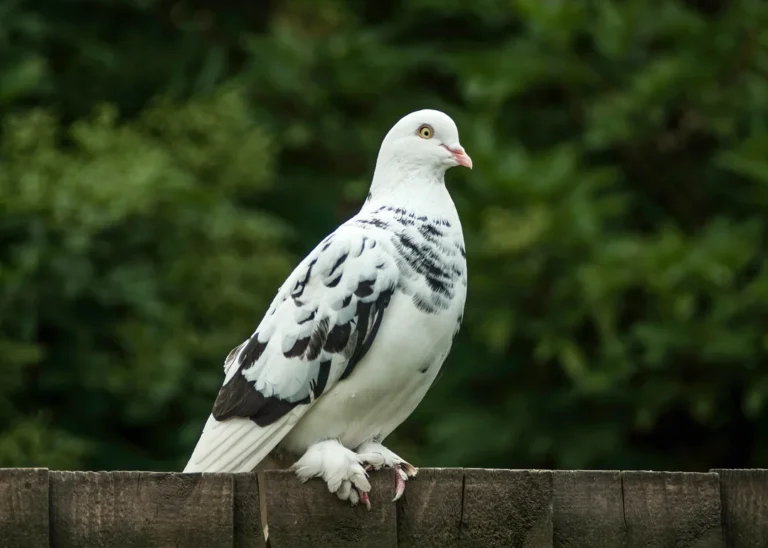
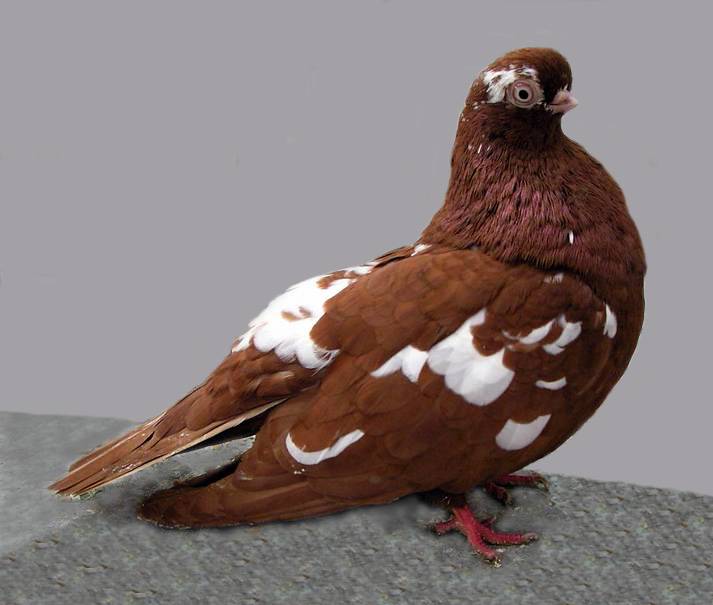
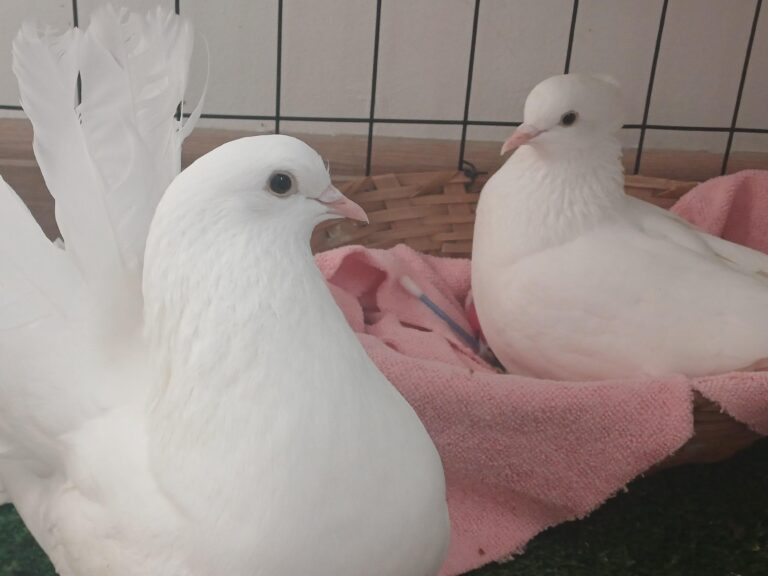
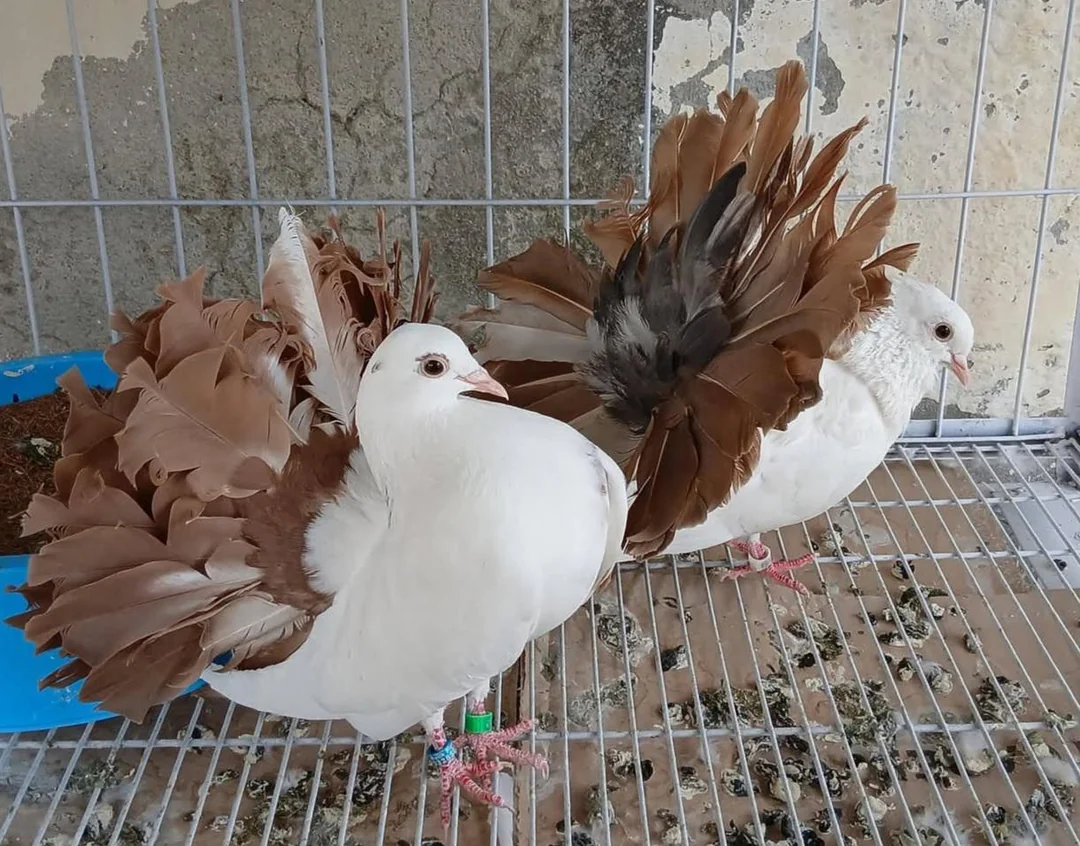
Fancy pigeons are all about looks. These are the birds people keep for beauty, shows, or personal enjoyment.
Some have fan-shaped tails. Some have curly feathers. Some have very unique body shapes. I have kept a few fancy breeds, and I can tell you they need more attention than flying birds.
They are usually not strong flyers, and many cannot survive well outside without protection.
Common traits of fancy pigeons:
- Unique and beautiful appearance
- Poor flying ability
- Need a clean and safe loft
- Require more careful handling
From my experience, these birds do best in a calm environment. You should also keep an eye on pigeon diseases because fancy breeds can be more sensitive.
Utility Pigeons
Utility pigeons are raised mainly for meat or for strong breeding performance. These birds grow fast and are usually larger than other types.
I raise utility pigeons for breeding, and they are among the easiest birds to manage. They are calm, steady, and good parents.
Common traits of utility pigeons:
- Larger body size
- Fast growth
- Good breeders
- Strong and hardy
If you are following a pigeon breeding guide, utility pigeons are a great place to start. They take care of their young well and do not require as much attention as fancy breeds.
Practical Pigeon Care Advice
No matter which types of pigeon breeds you choose, there are some real-world tips that make a big difference.
Match the Breed to Your Space
This is one mistake I made early on. I got active flying pigeons, but did not have enough open space. The birds became restless.
If you have a small backyard, go for calmer breeds. If you have open space, flying pigeons can do very well.
Keep the Loft Clean
All pigeons need a clean place to live. Fancy pigeons especially need extra care.
Clean the floor regularly. Change water daily. Dirty conditions lead to pigeon diseases very quickly.
Feed Based on Activity
Flying pigeons need more energy. Utility pigeons need steady nutrition for growth. Fancy pigeons need balanced feed, but not too much.
Watch your birds. Their behavior will tell you if something is wrong.
Understand Their Behavior
Each breed acts a little differently. Some are bold. Some are shy.
Spend time watching your birds. This helps you understand pigeon behavior and makes handling easier.
Start Simple
If you are new, do not try to raise too many breeds at once. Start with one type. Learn their habits. Once you are comfortable, you can expand.
Practical Pigeon Care Advice
No matter which types of pigeon breeds you choose, there are some real-world tips that make a big difference.
Match the Breed to Your Space
This is one mistake I made early on. I got active flying pigeons, but did not have enough open space. The birds became restless.
If you have a small backyard, go for calmer breeds. If you have open space, flying pigeons can do very well.
Keep the Loft Clean
All pigeons need a clean place to live. Fancy pigeons especially need extra care.
Clean the floor regularly. Change water daily. Dirty conditions lead to pigeon diseases very quickly.
Feed Based on Activity
Flying pigeons need more energy. Utility pigeons need steady nutrition for growth. Fancy pigeons need balanced feed, but not too much.
Watch your birds. Their behavior will tell you if something is wrong.
Understand Their Behavior
Each breed acts a little differently. Some are bold. Some are shy.
Spend time watching your birds. This helps you understand pigeon behavior and makes handling easier.
Start Simple
If you are new, do not try to raise too many breeds at once. Start with one type. Learn their habits. Once you are comfortable, you can expand.
FAQ Section
What is the best pigeon breed for beginners?
From my experience, utility pigeons or basic homing pigeons are the best choice for beginners.
They are strong, easy to manage, and do not require too much special care. They also adapt well to different environments.
Fancy pigeons may look attractive, but they usually need more attention and protection. I always suggest starting simple and gaining experience first.
Can different types of pigeon breeds live together?
Yes, but you need to be careful.
Some breeds are stronger and more active, while others are calm or weak. If you mix them without planning, stronger birds may dominate the food and space.
I have kept mixed groups before, but I always watch their behavior closely. In some cases, separating them into sections works much better.
Understanding pigeon behavior helps a lot in managing mixed breeds.
Which pigeon breeds are best for flying?
Flying pigeons, like homing pigeons and racing pigeons, are the best for flying.
These birds have strong wings and a natural ability to return home. They also enjoy regular exercise.
If you choose these types, make sure you have enough open space and time to let them fly daily.
Do all pigeon breeds need the same care?
Not exactly.
All pigeons need clean water, good food, and a safe loft. But some breeds need more attention than others.
Fancy pigeons are more delicate. Flying pigeons need exercise. Utility pigeons focus more on growth and breeding.
Learning what pigeons eat and following a proper pigeon breeding guide will help you adjust care based on the breed.
How do I choose the right pigeon breed?
Think about your goal and your setup.
Ask yourself if you want to focus on flying, breeding, or just keeping pigeons for enjoyment.
Also consider your space and time. Some breeds need more effort than others.
Conclusion
Choosing between the many types of pigeon breeds can feel confusing at first, but it becomes much easier once you understand your goal.
From my own experience, the best thing you can do is keep it simple. Pick a breed that matches your space, your time, and what you want from your pigeons. Whether it is flying birds, fancy birds, or strong utility pigeons, each type has its own value.
I have seen many beginners struggle because they try to do too much at once. Too many breeds, too many expectations. It usually leads to stress for both the owner and the birds. When you focus on one type and learn it well, everything becomes smoother.
Always pay attention to your birds. Watch how they eat, move, and behave. This helps you understand pigeon behavior and catch problems early. Good care, clean living space, and proper feeding go a long way in keeping pigeons healthy.
If you plan to grow your flock, take time to learn a proper pigeon breeding guide. Strong breeding practices will give you better results and healthier birds over time.
Also, stay aware of pigeon diseases and act quickly if something feels off. Small signs can turn into bigger problems if ignored.
Raising pigeons is not just about keeping birds. It is about building a routine and understanding it day by day. Once you get used to it, it becomes a very rewarding experience.

Barbara Allen is a writer and chaplain at Lort Smith Animal Hospital in Melbourne, Australia. She is the author of the book Pigeon, which explores the cultural and historical relationship between humans and pigeons. Allen has also written the picture book I Was There and contributed to publications such as Peace of Mind and Uniting Church Studies.