Top 10 Pigeon Breeds | Popular Fancy And Racing Pigeons
When people first get into pigeon keeping, one of the first questions they ask is about the top 10 pigeon breeds. I remember asking the same thing when I started. I wanted birds that were easy to care for, healthy, and enjoyable to watch every day.
Over the years, I have raised many types of pigeons. Some were great for beginners. Others needed more experience and patience. Choosing the right breed can make a big difference in how much you enjoy raising pigeons.
The truth is, not every pigeon breed is the same. Some are calm and friendly. Some are strong flyers. Some are bred for beauty. Knowing the top 10 pigeon breeds helps you pick birds that match your goals, whether you want pets, breeders, or flyers.
If you pick the wrong breed at the start, you may struggle with care, feeding, or even behaviour. That is why it is important to understand your options before bringing pigeons home.
Explain the topic in simple terms
The idea of the top 10 pigeon breeds is simple. These are the most popular and useful types of pigeons that people raise across the United States.
Each breed has its own purpose. Some pigeons are raised for racing. Some are raised for their looks. Others are kept because they are easy to manage and good for beginners.
For example, some breeds are very active and need more flying space. Others are calm and do well in a small loft. I have seen beginners struggle when they choose high-energy birds without enough space.
When you understand the different breeds, you can make better decisions about housing, feeding, and care. It also helps you avoid common problems like overcrowding or stress.
This topic also connects closely with things like what pigeons eat, pigeon behaviour, and even your pigeon breeding guide. Different breeds can behave differently, and that affects how you care for them every day.
Why this topic matters for pigeon owners
Choosing from the top 10 pigeon breeds is not just about looks. It directly affects your daily routine as a pigeon keeper.
From my experience, the right breed makes everything easier. Feeding becomes simple because the birds adapt well. Cleaning is easier because calm birds create less mess. Breeding becomes smoother because healthy breeds raise their young better.
On the other hand, choosing the wrong breed can lead to stress. Some birds may fight more. Some may not adapt to your loft. Some may even be more sensitive to pigeon diseases.
I have seen beginners give up just because they started with the wrong type of pigeon. That is something you can avoid with the right knowledge.
Also, different breeds have different personalities. Some pigeons become very friendly and recognize you. Others stay shy. Understanding this helps you build a better bond with your birds.
If you are planning to grow your loft in the future, knowing the top breeds also helps you plan your pigeon breeding guide properly. You can choose strong, healthy birds that produce good offspring.
Now, let me walk you through the top 10 pigeon breeds based on real experience. These are birds I have raised myself or seen closely in other lofts. I will keep it simple so you can decide what fits your setup.
Homing Pigeon
This is the most popular breed in the United States. These birds are known for their ability to find their way back home from long distances.
I have kept homing pigeons for years. They are strong, smart, and very loyal to their loft. If you are interested in flying birds, this is a great starting point.
They do need regular flying time. If you keep them locked all the time, they can become restless.
King Pigeon
King pigeons are large and calm. They are often raised for meat, but many people also keep them as pets.
From my experience, they are very easy to manage. They do not fly much, so they are perfect if you have limited space.
They are also good parents, which helps a lot if you are following a pigeon breeding guide.
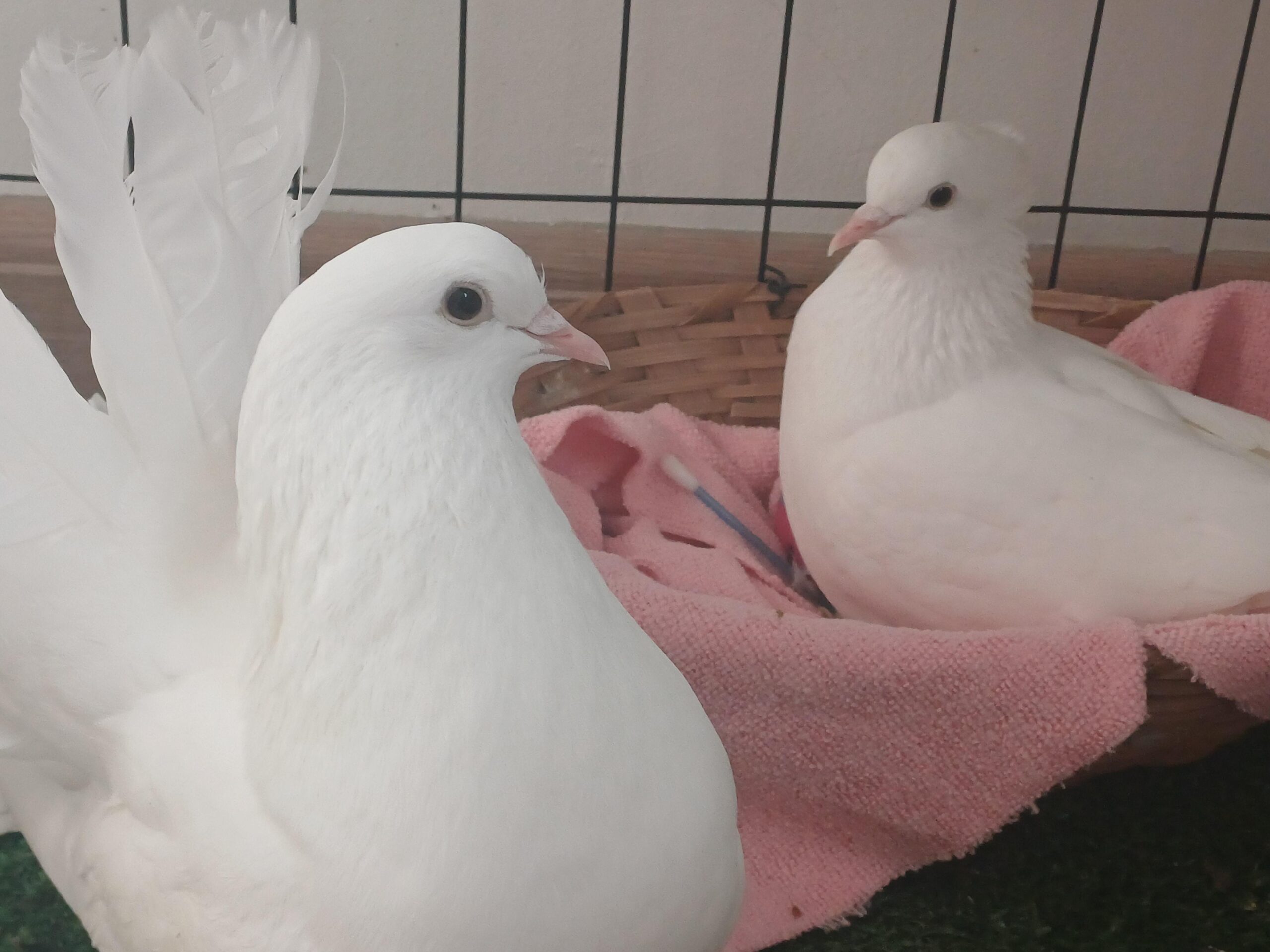
Fantail Pigeon
Fantails are known for their beautiful tails that spread like a fan.
I have kept a few pairs, and they are very peaceful birds. They are more about beauty than flying. If you want pigeons that look nice in your loft, this is a good choice.
They do need a clean space because their tail feathers can get dirty easily.
Racing Homer
This is a type of homing pigeon bred specifically for speed and racing.
These birds are very active. You need to give them space and proper training. I always tell beginners to start with a few and learn their behaviour first.
They eat well and stay healthy if you maintain a good feeding routine. Understanding what do pigeons eat becomes very important with this breed.
Tumbler Pigeon
Tumblers are fun to watch. They flip and roll in the air while flying.
I remember the first time I saw them perform. It was impressive. But they do need open space and supervision.
Some tumblers can overdo it and hurt themselves if not managed properly.
Jacobin Pigeon
Jacobin pigeons are known for the feathers around their head that look like a hood.
They are beautiful but a bit more sensitive. Their vision can be limited because of the feathers, so they need a safe and calm environment.
I would not suggest this breed as your very first pigeon, but once you gain some experience, they are rewarding to keep.
Lahore Pigeon
Lahore pigeons are large and very colourful.
These birds are calm and friendly. I have noticed they adapt well to different environments. They are also good for beginners who want both beauty and ease of care.
They do not require much flying space, which makes them easier to handle.
Modena Pigeon
Modena pigeons have a compact body and a bold personality.
They are active but not strong flyers. I like them because they are easy to breed and raise.
If you are learning about pigeon breeding guide basics, this breed can teach you a lot.
Tippler Pigeon
Tipplers are known for staying in the air for long periods.
I have seen them fly for hours without stopping. These birds need training and patience.
They are not the best choice if you just want simple backyard pigeons. But if you enjoy flying birds, they are very exciting.
Roller Pigeon
Rollers are similar to tumblers but are more controlled in their movements.
They perform backward rolls in the air, and when trained well, they are amazing to watch.
They do need careful handling. Understanding pigeon behaviour is very important with rollers, so you can avoid accidents.
Practical pigeon care advice
No matter which breed you choose from the top 10 pigeon breeds, some basic care rules always apply.
First, keep your loft clean. A dirty loft leads to stress and pigeon diseases. I clean my loft regularly, and it makes a big difference in bird health.
Second, give proper food. A mix of grains works well. Always make sure clean water is available. If you do not understand feeding yet, start learning what pigeons eat before bringing birds home.
Third, do not overcrowd your loft. Each pigeon needs space. When birds are crowded, they fight more and get sick easily.
Fourth, observe your birds daily. I always spend time watching mine. You can quickly notice changes in pigeon behaviour, which helps you catch problems early.
Finally, start small. Do not buy too many pigeons at once. Pick one or two breeds, learn their needs, and then grow your loft slowly.
When you choose the right breed and follow simple care habits, pigeon keeping becomes enjoyable and stress-free.
Tips and common mistakes
After raising pigeons for years, I can tell you this clearly. Most problems do not come from the birds. They come from small mistakes we make as owners.
If you are choosing from the top 10 pigeon breeds, these tips will help you avoid trouble and keep your birds healthy.
Start with beginner friendly breeds
One mistake I see often is beginners choosing fancy or high-energy breeds too early.
Birds like racing homers or tipplers need more care and attention. If you are new, start with calm breeds like king pigeons or fantails.
Once you understand pigeon behaviour, you can try more active birds.
Do not mix too many breeds at once
At the beginning, keep things simple.
I once mixed several breeds in one loft. It created stress. Some birds were too active, while others were calm. This caused fighting and uneven feeding.
Start with one or two breeds. Learn their habits first. Then expand slowly.
Learn feeding before buying pigeons
Many beginners buy pigeons first and think about food later. That is a mistake.
You need to understand what pigeons eat before bringing them home. A simple grain mix works, but the quality and freshness matter.
I always check that the grains are clean and dry. Bad feed can lead to health problems quickly.
Keep your loft clean and dry
A dirty loft is the fastest way to run into pigeon diseases.
I clean my loft regularly. Even a simple routine helps a lot. Remove droppings, keep the floor dry, and make sure there is good airflow.
If the loft smells bad, that is a warning sign.
Watch your birds every day
This is one habit that makes a huge difference.
Spend a few minutes daily just watching your pigeons. You will learn their normal pigeon behaviour. When something changes, you will notice it quickly.
A sick pigeon often sits quietly, eats less, or looks weak. Early action can save the bird.
Do not overcrowd your loft
Giving pigeons enough space is very important.
When birds are crowded, they fight more. Stress increases. Diseases spread faster.
I always make sure each bird has enough room to move and rest comfortably.
Be careful during breeding
Breeding sounds exciting, but it needs planning.
Follow a simple pigeon breeding guide. Make sure your breeding pairs are healthy. Give them a calm place to nest.
I have seen beginners rush into breeding without preparation. This often leads to weak chicks or poor results.
Protect pigeons from extreme weather
The weather can affect pigeons more than people think.
In cold weather, make sure your loft stays dry and protected from wind. In hot weather, provide shade and fresh water.
I have lost birds in the past because I did not take the weather seriously. That taught me an important lesson.
Avoid overhandling your pigeons
It is natural to want to hold your pigeons often, especially if they are friendly.
But too much handling can stress them. I only handle my birds when needed, like during health checks or moving them.
Let them stay relaxed in their own space.
Be patient and learn step by step
Pigeon keeping is not something you master in one week.
Take your time. Learn from your birds. Every mistake teaches you something.
I still learn new things even after years of raising pigeons.
FAQ section
Here are some common questions I hear from beginners when they start learning about the top 10 pigeon breeds. I will answer them based on real experience so you can avoid confusion.
Which pigeon breed is best for beginners
From my experience, king pigeons and fantails are great for beginners.
They are calm, easy to manage, and do not require much flying space. They also adapt well to new environments.
If you are just starting, avoid very active breeds until you understand pigeon behaviour better.
Can I keep different pigeon breeds together
Yes, but you need to be careful.
Some breeds are more active and aggressive, while others are calm. Mixing them without planning can lead to stress and fighting.
I always suggest starting with one breed. Once you gain experience, you can try mixing slowly and observe how they behave.
How many pigeons should I start with
Start small.
I usually recommend 2 to 4 pigeons for beginners. This gives you enough birds to learn without feeling overwhelmed.
It also helps you understand feeding, cleaning, and daily care properly before expanding your loft.
Do all pigeon breeds need the same food?
Most pigeon breeds eat similar types of grains, but their needs can vary slightly.
Active breeds like racing pigeons may need more energy-rich food. Calm breeds eat less and are easier to manage.
If you are unsure, take time to learn what pigeons eat so you can adjust their diet based on the breed.
Are some pigeon breeds more prone to diseases
Yes, some breeds are more sensitive than others.
Fancy breeds with heavy feathers or limited vision can sometimes be more delicate. Strong breeds like homing pigeons are usually more hardy.
No matter the breed, keeping your loft clean and watching for signs of pigeon diseases is very important.
Conclusion
Choosing from the top 10 pigeon breeds is one of the most important steps when starting your journey as a pigeon keeper.
From my own experience, the right breed makes everything easier. Your birds stay calm, they eat well, and they adapt to your loft without stress. You also enjoy spending time with them more, which is what pigeon keeping is really about.
Each breed has its own personality. Some are active and love to fly. Some are calm and stay close to the loft. Some are raised for beauty, while others are known for strength and endurance. When you understand these differences, you can match the birds to your lifestyle.
If you are just starting, keep things simple. Choose beginner-friendly breeds. Learn the basics like what pigeons eat, how to maintain a clean loft, and how to read pigeon behaviour. These small things matter more than people think.
As you gain confidence, you can explore breeding using a proper pigeon breeding guide. You will also become better at spotting early signs of pigeon diseases, which helps you keep your birds safe and healthy.
One thing I always tell new pigeon owners is this. Spend time with your birds every day. Watch how they move, eat, and interact. That daily observation teaches you more than any guide.
Pigeon keeping is not complicated when you take it step by step. With the right breed and simple care, it becomes a relaxing and rewarding part of your daily life.

Barbara Allen is a writer and chaplain at Lort Smith Animal Hospital in Melbourne, Australia. She is the author of the book Pigeon, which explores the cultural and historical relationship between humans and pigeons. Allen has also written the picture book I Was There and contributed to publications such as Peace of Mind and Uniting Church Studies.