Can Pigeons Eat Pumpkin Seeds | Safe Feeding Guide
People who keep pigeons often ask about new foods they can safely give their birds. One question I hear quite often from beginners is this: Can pigeons eat pumpkin seeds?
The short answer is yes. Pigeons can eat pumpkin seeds. But like many foods, they should be given in the right way and in the right amount.
I have raised pigeons for many years, and over time, I have tried many different seeds and grains in my birds’ diet. Pumpkin seeds are one of those foods that pigeons usually enjoy when they are offered properly. They can provide useful nutrients and a bit of variety in the diet.
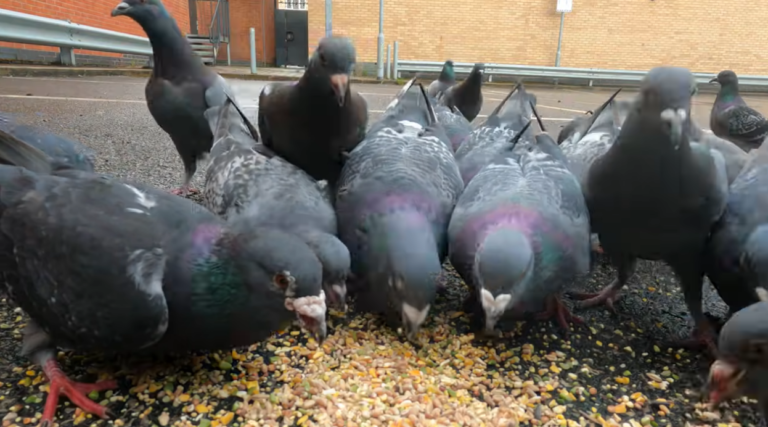
Pigeons naturally eat seeds, grains, and small plant materials. If you ever watch pigeons feeding on the ground, you will notice that they pick through many different types of seeds. Because of this natural behavior, many pigeon keepers look for safe seeds they can add to the daily feed mix.
Pumpkin seeds can be one of those options. However, there are a few things pigeon owners should understand before adding them to the feed bowl. The size of the seed, how it is prepared, and how often it is offered all matter. Giving the wrong type or giving too much can cause problems.
Understanding safe foods is important for anyone who keeps pigeons. A good diet helps birds stay active, breed well, and avoid many common health issues. Many beginners focus only on grains like corn or wheat, but pigeons benefit from a balanced mix of seeds.
If you are new to pigeon keeping, learning about safe foods is just as important as learning about what pigeons eat, understanding basic pigeon behaviour, and recognizing early signs of pigeon diseases.
Pumpkin seeds are not a main food for pigeons, but they can be a helpful addition when used correctly. Over the years, I have noticed that birds often pick them out of the feed mix first when they are cracked into smaller pieces.
Can Pigeons Eat Pumpkin Seeds Safely?
Yes, pigeons can eat pumpkin seeds. When offered properly, they are safe and can be a healthy addition to a pigeon’s diet.
Pigeons are natural seed eaters. In the wild, they spend a lot of time searching for small seeds on the ground. Their digestive system is built to process many types of grains and seeds.
Pumpkin seeds fit into that category. However, pumpkin seeds are richer and heavier than many of the small grains pigeons normally eat. Because of that, they should be treated as a supplement rather than a main feed.
When I give pumpkin seeds to my pigeons, I always mix a small amount into their normal grain mix. This allows the birds to enjoy them without overloading their diet.
Nutritional Value of Pumpkin Seeds for Pigeons
Pumpkin seeds contain several nutrients that can support pigeon health. They are known for having good levels of protein, healthy fats, and minerals. These nutrients help birds maintain energy and support feather growth.
Some of the nutrients found in pumpkin seeds include:
- Protein
- Healthy fats
- Magnesium
- Zinc
- Iron
- Fiber
Protein supports muscle health and feather condition. Healthy fats help provide extra energy, especially during colder weather. Minerals such as zinc and magnesium can support overall body function. Because pigeons burn a lot of energy while flying, small amounts of nutrient-rich seeds can be beneficial.
Still, balance is important. Pigeons should mainly eat grains like wheat, corn, millet, and peas. Pumpkin seeds should only be a small part of the overall diet.
Whole Pumpkin Seeds or Cracked Seeds
One important thing to consider is the size of the seed. Whole pumpkin seeds can be large for pigeons, especially for smaller birds or young pigeons. Large seeds can sometimes be difficult for them to swallow.
From my experience raising pigeons, it is better to offer pumpkin seeds that are slightly crushed or broken into smaller pieces.
This makes them easier for the birds to pick up and digest. If you are feeding young pigeons or birds that are still learning to eat solid food, smaller pieces are always safer.
Raw Pumpkin Seeds Are Best
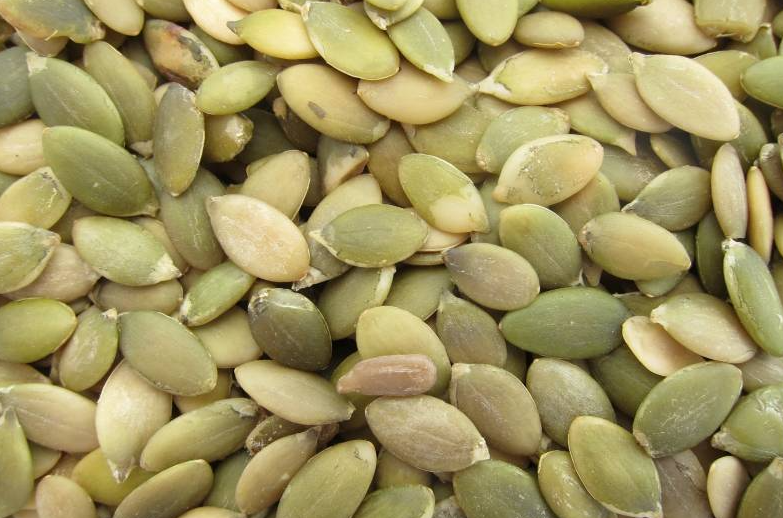
Pumpkin seeds should be plain and raw when given to pigeons.
Many pumpkin seeds sold in stores are roasted and salted. Those types should never be fed to pigeons. Salt is not good for birds and can cause health problems.
Always choose pumpkin seeds that are:
- Raw
- Unsalted
- Free from seasoning
Natural seeds are always the safest choice.
How Often Should Pigeons Eat Pumpkin Seeds?
Pumpkin seeds should only be an occasional treat. In my loft, I usually add them to the feed mix once or twice a week in small amounts. That is more than enough for the birds to enjoy the benefits without upsetting the balance of their diet.
Too many fatty seeds can make pigeons gain excess weight, and overweight pigeons often become less active. Healthy pigeons should stay lean and energetic.
Maintaining a balanced diet also supports other important aspects of pigeon care, such as breeding success and overall loft health. Anyone learning about pigeon care should also spend time studying topics like a proper pigeon breeding guide, recognizing early signs of pigeon diseases, and understanding natural pigeon behaviour. All of these things work together with proper nutrition.
How Pigeons React to Pumpkin Seeds
Most pigeons become curious when new seeds are added to their feed. Some birds will try pumpkin seeds right away. Others may ignore them at first until they see other pigeons eating them.
I have noticed that once pigeons get used to pumpkin seeds, they often pick them out first when they find them in the mix. This is normal behavior because pigeons naturally search for seeds that are higher in energy. Still, the key is moderation. Pumpkin seeds should never replace the main grains pigeons rely on every day.
Tips and Common Mistakes
Feeding pigeons looks simple from the outside. You put seeds in a feeder, and the birds eat. But after raising pigeons for years, I have learned that small details in feeding can make a big difference in the health of the birds.
Pumpkin seeds can be a nice addition to the diet, but they should be used carefully. A few practical habits can help pigeon owners avoid common feeding problems.
Start With Small Amounts
When introducing any new food to pigeons, it is always best to start slowly. The first time I gave pumpkin seeds to my pigeons, I only mixed a small handful into their regular grain mix. This allowed the birds to try the seeds without suddenly changing their diet.
Some pigeons may eat them right away. Others might ignore them at first. That is normal behavior. Birds usually follow the example of the flock. Once a few pigeons begin eating the seeds, the rest often become curious. Adding new foods slowly helps prevent digestive stress and keeps the flock comfortable.
Mix Pumpkin Seeds With Regular Feed
Pumpkin seeds should never be served as the only food in the feeder.
Pigeons need a balanced diet made mostly of grains and legumes. Common pigeon feeds include corn, wheat, barley, millet, and peas. These grains provide the foundation of a healthy diet.
Pumpkin seeds should be mixed into that grain blend in small amounts. Think of them as a bonus food rather than a main meal.
If you are still learning about balanced diets for birds, it also helps to study topics like what pigeons eat, so you understand the natural feeding habits of pigeons.
Crush Large Seeds for Easier Eating
Pumpkin seeds can be a little large for some pigeons. In my loft, I usually crack the seeds slightly before adding them to the feed. This makes them easier for pigeons to pick up and swallow.
Smaller pieces are also safer for young birds that are still learning how to handle different types of seeds. A simple press with the back of a spoon or a quick crush with your fingers is usually enough.
Always Choose Plain Seeds
One mistake I see beginners make is feeding birds store-bought snack seeds. Many pumpkin seeds sold in stores are roasted and covered in salt or seasoning. These types are not safe for pigeons.
Birds should only receive plain raw pumpkin seeds that contain no added salt, flavoring, or oil. Natural foods are always the safest option for pigeons.
Do Not Overfeed Fatty Seeds
Pumpkin seeds contain healthy fats, which can be helpful for energy. But too much fat in a pigeon’s diet can create problems. Overfeeding fatty seeds may lead to weight gain. Heavy pigeons tend to fly less and become less active.
When pigeons become overweight, it can also affect breeding success and general health. Maintaining a balanced diet helps birds stay strong and energetic.
This is why experienced pigeon keepers treat pumpkin seeds as an occasional addition rather than a daily feed.
Watch Your Birds While They Eat
One of the best ways to improve pigeon care is simply observing the birds.
Whenever I add a new seed or grain, I watch how the pigeons react. This tells me whether they enjoy the food and whether it causes any issues. Healthy pigeons should remain active, alert, and eager to feed.
Changes in appetite or behavior can sometimes signal health problems. That is why experienced keepers pay attention not only to feeding but also to signs of pigeon diseases and natural pigeon behaviour. Watching your birds daily helps you notice problems early.
Keep Feeders Clean
Even the best food can cause problems if feeders are not kept clean. Seeds that sit too long in dirty feeders may grow mold or attract pests. This can lead to illness in pigeons. Pumpkin seeds, like any other seed, should only be given in fresh and clean feeding containers.
I clean my feeders regularly and remove leftover feed at the end of the day. Simple habits like this help keep the flock healthy.
FAQ Section
Can pigeons eat raw pumpkin seeds?
Yes, pigeons can eat raw pumpkin seeds. Raw seeds are actually the safest choice. They contain natural nutrients and do not have added ingredients.
When feeding pumpkin seeds to pigeons, always choose seeds that are plain and unsalted. Avoid roasted or flavored seeds that are sold as snacks for people. Salt and seasoning can be harmful to birds. In my own loft, I only use natural seeds when I add pumpkin seeds to the feed mix.
Can pigeons eat pumpkin seeds with the shell?
Pigeons can eat pumpkin seeds with the shell if the seeds are not too large. However, some pumpkin seed shells can be thick and harder for pigeons to handle.
Many pigeon keepers prefer to crack the seeds slightly before feeding them. This makes the seeds easier to eat and digest. Young pigeons may struggle with large seeds, so smaller pieces are always safer for them.
How many pumpkin seeds can pigeons eat?
Pumpkin seeds should only be given in small amounts. A small handful mixed into the regular grain feed once or twice a week is usually enough. Pigeons need a balanced diet that mainly includes grains such as wheat, corn, millet, and peas.
Too many fatty seeds can cause pigeons to gain weight and become less active. Moderation is always the best approach when offering treats.
Learning the basics of what pigeons eat helps pigeon owners understand how to balance different seeds and grains properly.
Can baby pigeons eat pumpkin seeds?
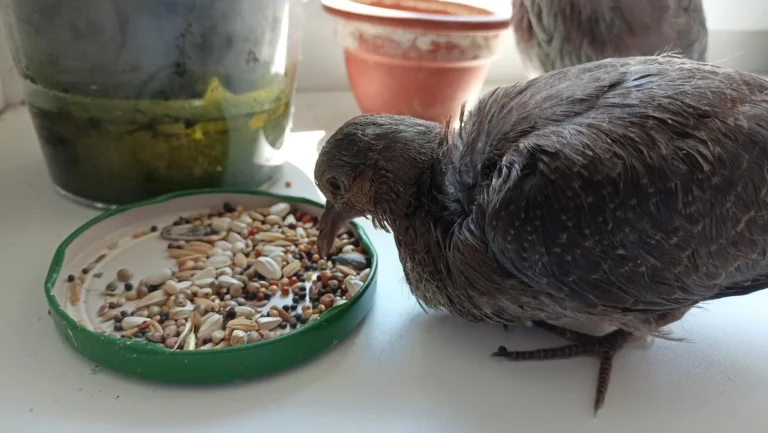
Baby pigeons should not eat large seeds. Young birds, often called squabs, are normally fed by their parents with crop milk during the early stages of life. As they grow and begin to eat seeds, it is better to offer smaller grains and soft foods first.
If pumpkin seeds are given later, they should be crushed into very small pieces so they are easy to swallow.
Following a proper pigeon breeding guide can help new pigeon keepers understand how young birds develop and when they are ready for different types of food.
Are pumpkin seeds good for pigeon health?
Pumpkin seeds can provide useful nutrients such as protein, minerals, and healthy fats. These nutrients can support energy levels and feather health.
However, they should only be part of a balanced diet.
Pigeons stay healthiest when they receive a variety of grains and seeds along with clean water and proper loft care. Nutrition works together with other factors, such as hygiene, monitoring pigeon behavior, and watching for signs of pigeon diseases. When all of these things are managed well, pigeons usually stay strong and active.
Conclusion
So, can pigeons eat pumpkin seeds? Yes, they can. When used properly, pumpkin seeds can be a healthy and enjoyable treat for pigeons.
From my experience raising pigeons, birds usually show interest in pumpkin seeds once they discover them in the feed mix. They tend to pick them out quickly because the seeds are rich and full of energy. Still, pumpkin seeds should never replace the basic grains that pigeons rely on every day.
The most important thing is balance. A healthy pigeon diet should mainly include grains like corn, wheat, millet, barley, and peas. These foods provide the foundation that keeps pigeons strong and active. Pumpkin seeds can be added occasionally to give birds some variety and extra nutrients.
Always remember a few simple rules when feeding pumpkin seeds.
- Use raw and unsalted seeds
- Offer them in small amounts
- Crush large seeds so they are easier to eat
- Mix them with regular pigeon feed instead of feeding them alone
Good feeding habits play a big role in pigeon health. When pigeons receive a balanced diet, they maintain better energy levels, stronger feathers, and healthier breeding cycles.
But nutrition is only one part of proper pigeon care. Anyone who keeps pigeons should also learn about what pigeonseat, observe natural pigeon behavior, understand common pigeon diseases, and follow a reliable pigeon breeding guide if they plan to raise young birds.
All of these things work together to keep a flock healthy. Raising pigeons is very rewarding when the birds are well cared for. Paying attention to small details like diet can make a big difference over time.
If you enjoy giving your pigeons new foods to try, pumpkin seeds can be a safe option when offered the right way. Your birds will likely appreciate the extra variety, and with proper moderation, it can become a useful addition to their feeding routine.
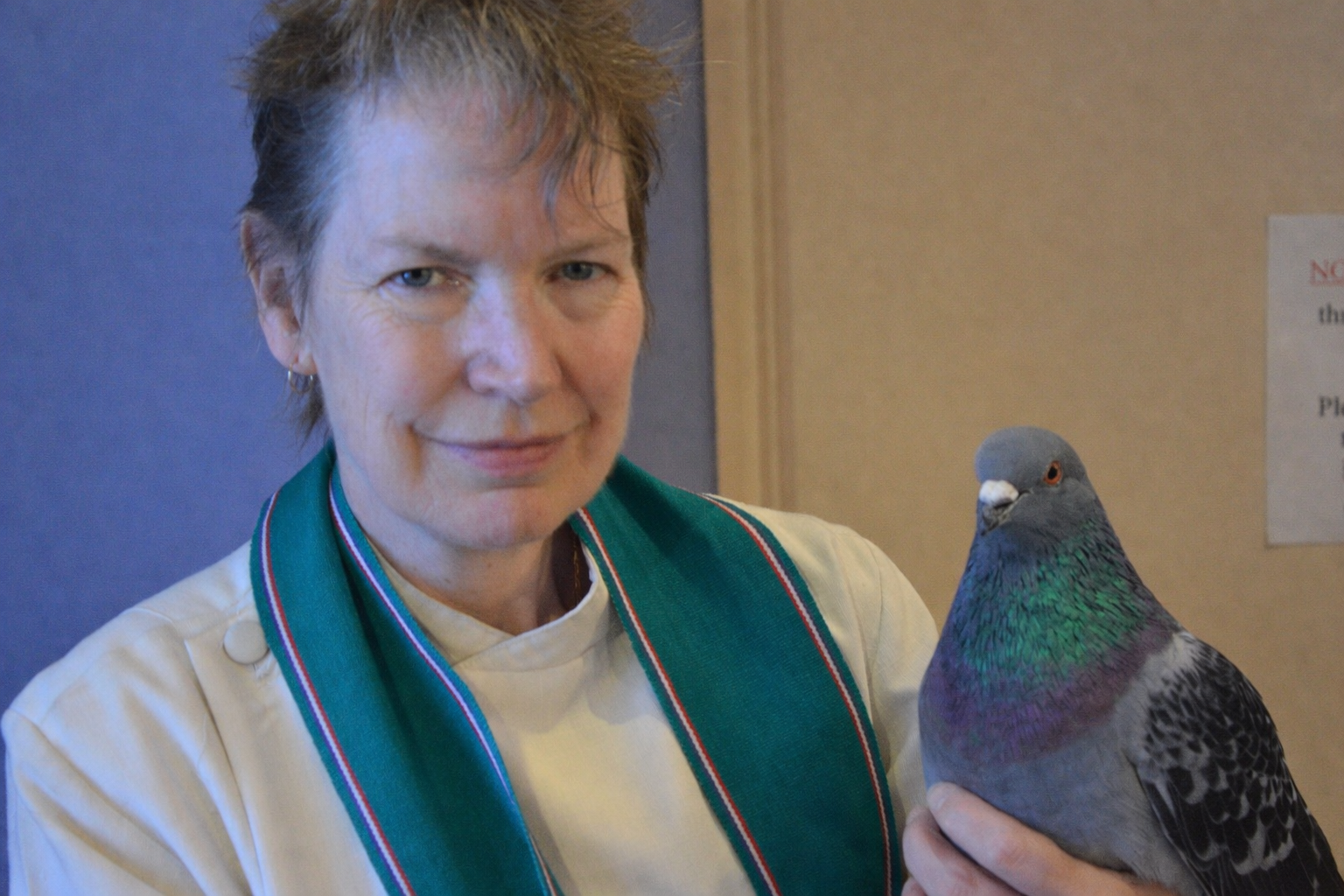
Barbara Allen is a writer and chaplain at Lort Smith Animal Hospital in Melbourne, Australia. She is the author of the book Pigeon, which explores the cultural and historical relationship between humans and pigeons. Allen has also written the picture book I Was There and contributed to publications such as Peace of Mind and Uniting Church Studies.