Can Pigeons Fly At Night | Pigeon Flight Facts
Can pigeons fly at night? This is a question many beginners ask when they first start raising pigeons. I had the same question when I began keeping birds years ago. After spending a lot of time watching my pigeons in the loft and outside, I learned how they behave once the sun goes down.
Pigeons are strong flyers during the day. They know their surroundings well. They use sunlight, landmarks, and their natural sense of direction to move around. But at night, things change a lot for them.
From my own experience, pigeons are not comfortable flying in the dark. They prefer to stay in their loft, sit quietly, and rest. I have noticed that even my most active birds become calm as evening comes. They find their spot and settle in without much movement.
This topic matters because many pigeon owners worry when a bird is missing near sunset. Some people think their pigeon might fly all night and return later. In reality, that is not how pigeons usually behave. Understanding this can save you a lot of stress and help you better care for your birds.
It also connects with other important areas, like pigeon behaviour and safety. Knowing when pigeons are active helps you plan feeding time, training, and loft management. It also helps you protect them from danger.
When I first started, I lost a young pigeon because I released it too late in the day. It got confused in the dark and could not find its way back easily. That experience taught me a simple but very important lesson. Timing matters a lot when you raise pigeons.
If you are serious about keeping healthy and safe birds, understanding their daily routine is just as important as knowing what pigeons eat or following a good pigeon breeding guide. Small details like this make a big difference over time.
Can pigeons fly at night?
From my real experience, pigeons can fly at night, but they are not built for it. Their eyes are made for daylight. They rely on sunlight and clear visibility to guide themselves. When it gets dark, their vision becomes weak, and they lose confidence in the air.
I have seen this many times in my own loft. If a pigeon gets startled after sunset, it may try to fly. But it usually does not go far. It may land on a nearby roof or tree and stay there until morning. They do not move around freely like they do during the day.
Pigeons are not like owls or other night birds. Those birds are designed to hunt and move in darkness. Pigeons are day birds. They rest at night and become active again when the sun rises.
What happens if a pigeon is outside at night
If a pigeon is still outside when it gets dark, it often becomes confused. It cannot see clearly, and it cannot use its normal sense of direction properly. In many cases, the bird will stop flying and choose a safe place to stay.
I have had a few young pigeons that did not return before sunset. The next morning, they came back early when the light returned. This shows that they wait for daylight to move again.
However, there is always a risk. At night, pigeons are more vulnerable. They cannot escape danger easily. This is when predators can attack, or the bird can get injured by hitting objects it cannot see.
Do pigeons ever travel at night??
In normal conditions, pigeons do not travel at night. Even trained pigeons prefer daylight. They plan their movement based on light. If they are released late in the day and cannot reach home before dark, they will usually stop and wait.
There are rare situations where pigeons may continue flying in low light, such as during very bright moonlight or in areas with strong city lights. But this is not their natural behaviour, and it is not safe for them.
Practical pigeon care advice
Always release pigeons early in the day.
This is one of the most important rules I follow. I always release my pigeons in the morning or early afternoon. This gives them enough time to return before sunset.
If you release them late, you risk. Young pigeons, especially, can panic and get lost when it getit gets dark.
Train young pigeons slowly.
Young birds need time to learn their surroundings. I never push them too far, too soon. I let them build confidence during daylight hours.
This also helps them develop strong pigeon behaviour patterns. They learn when to fly, when to return, and where they are safe.
Make your loft easy to find
A clear and visible loft helps pigeons return before dark. I keep the area open and easy to recognise. I also feed them at a regular time so they know when to come back.
Feeding time connects with what pigeons eat and how you manage their daily routine. A good routine keeps your birds disciplined.
Lock the loft before nightfall.
I always make sure all my pigeons are inside before nightfall. Once they are in, I close the loft properly. This protects them from predators and keeps them calm.
Nighttime is for rest. Healthy pigeons need good sleep to stay strong and avoid pigeon diseases.
Watch for missing birds before sunset.
If you notice a pigeon is missing close to sunset, do not panic. It may return the next morning. But keep an eye on it.
Over time, you will learn ebird’s habits. This comes with experience and careful observation.
Tips and Common Mistakes
When I started raising pigeons, I made several mistakes without even realising it. Most of them were related to timing, routine, and a lack of understanding of pigeon behaviour. Over time, I learned what works and what causes problems.
Here are some practical tips I follow every day, along with mistakes you should avoid.
Tips for keeping pigeons safe at night
Keep a strict daily routine
Pigeons love routine. I feed my birds at the same time every day. After a few days, they learn this pattern and return to the loft on time.
This simple habit helps prevent birds from staying outside too late. It also keeps them calm and well-organised.
Train pigeons to return to their home.
I always call my pigeons in before sunset. I use food as a signal. Once they understand that food is inside the loft, they do not waste time outside.
This is something I learned early. If you train them right, they will not risk staying out in the dark.
Use proper lighting in the loft.
I keep the loft slightly visible during evening time. Not bright, just enough so pigeons feel safe entering before full darkness.
This helps especially with young pigeons that are still learning their way.
Keep the loft clean and comfortable.
A clean loft makes pigeons want to return and stay inside. If the loft is dirty or stressful, birds may hesitate and stay outside longer.
Good hygiene also helps reduce pigeon diseases, which every owner should take seriously.
Pay attention to the weather.
Cloudy days get dark earlier. I always adjust my schedule based on the weather. If it looks like the light will fade quickly, I bring my pigeons in earlier.
This small habit has saved me from losing birds.
Common mistakes pigeon owners make
Releasing pigeons too late
This is one of the biggest mistakes I see. People release pigeons in the late afternoon, thinking they will return quickly.
But pigeons need time. If they are even a little delayed, darkness can catch them outside.
I made this mistake once, and I learned the hard way. It is not worth the risk.
Ignoring young pigeon training
Young pigeons do not understand timing at first. If you do not train them properly, they may wander and fail to return before nightfall.
A proper pigeon breeding guide will always stress the importance of early training and routine.
Not checking for missing birds.
Some owners do not notice when a pigeon is missing until the next day. I always count my birds before sunset.
This helps me act quickly if something is wrong.
Leaving the loft open at night
Leaving the loft open can invite danger. Predators are more active at night. Even if your pigeons are inside, they can still be at risk.
I always close the loft securely. This keeps my birds safe and stress-free.
Thinking pigeons can manage like night birds
Some beginners assume pigeons can fly and survive at night just fine. This is not true.
Pigeons are not built for darkness. Treating them like night birds can lead to loss and injury.
FAQ Section
Can pigeons see in the dark
Pigeons cannot see well in the dark. Their eyes are made for daylight. When the light goes down, their vision becomes weak. That is why they avoid flying at night and prefer to stay in one place.
I have noticed that even a small drop in light makes my pigeons less active. They start settling down quickly as evening comes.
Why do pigeons stop flying at night??
Pigeons stop flying at night because they feel unsafe and unsure. They depend on light to guide them. Without it, they cannot judge distance or direction properly.
Their natural pigeon behaviour is to roost in nests when it gets dark. This keeps them safe and helps them save energy for the next day.
What should I do if my pigeon is missing at night??
If your pigeon is missing at night, stay calm. In many cases, the bird will return early in the morning when there is enough light.
I always check my loft at sunrise to see if a bird is missing. Many times, they come back hungry and tired. Give them food and water right away and let them rest.
Also, keep an eye on their health. Stress from being outside overnight can sometimes lead to pigeon diseases if not managed properly.
Can city pigeons fly at night because of the lights??
City pigeons may fly a little in areas with strong lights, but this is not normal behaviour. Even with lights, their vision is not as strong as it is during the day.
I have seen pigeons move short distances under street lights, but they still prefer to settle and wait for daylight.
Is it safe to train pigeons in the evening
It is not safe to train pigeons in the evening. I always train my birds in the morning or early afternoon.
Training late increases the chance of birds getting lost or stuck outside at night. This is especially risky for young pigeons that are still learning.
Proper training, along with a good feeding plan and knowledge of what pigeons eat, helps build strong habits and keeps your birds safe.
Conclusion
So, can pigeons fly at night? Yes, they can, but they are not meant to. From everything I have seen in my own loft, pigeons feel uncomfortable in the dark and avoid flying once the sun goes down.
They depend on light to see clearly and find their way home. Without it, they become unsure and often stop moving. Most of the time, a pigeon that is outside at night will stay in one place and wait for morning.
As a pigeon keeper, your job is to make things easy and safe for your birds. The biggest lesson I learned is simple. Always work with their natural behaviour, not against it.
Release your pigeons early in the day. Keep a steady routine. Make your loft a place they want to return to. These small habits can prevent big problems.
Also, pay attention to your birds every day. Over time, you will understand their patterns. This is how you get better at spotting issues early, whether it is related to pigeon behaviour, feeding, or even early signs of pigeon diseases.
If you are raising young birds, be extra careful. They need guidance and training. Following a good pigeon breeding guide and building strong daily habits will help them grow into confident flyers.
In the end, keeping pigeons is about patience and observation. The more time you spend with them, the more you learn what works.
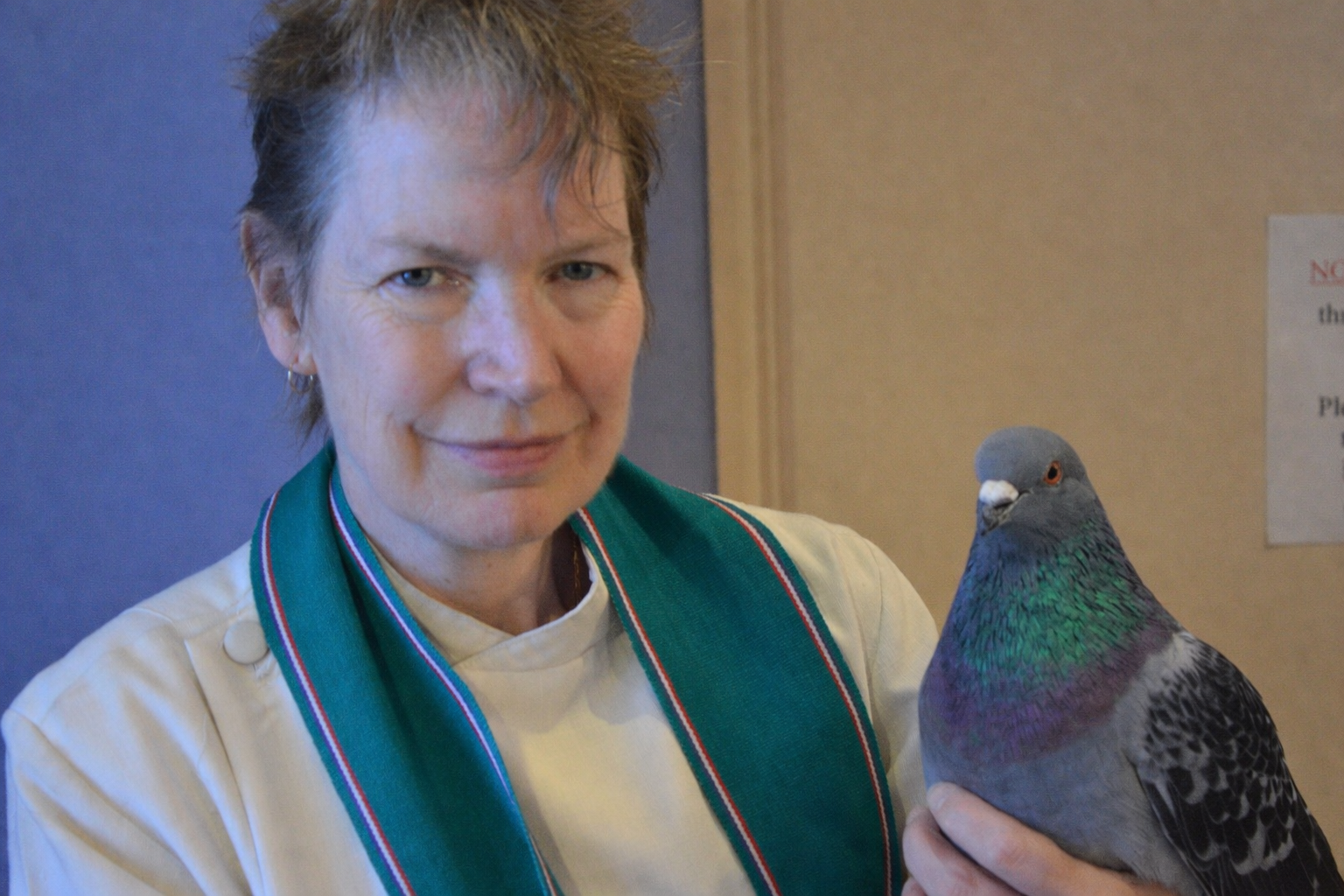
Barbara Allen is a writer and chaplain at Lort Smith Animal Hospital in Melbourne, Australia. She is the author of the book Pigeon, which explores the cultural and historical relationship between humans and pigeons. Allen has also written the picture book I Was There and contributed to publications such as Peace of Mind and Uniting Church Studies.