Indoor Pigeon Cage Ideas | Safe Housing Setup Guide
When people think about raising pigeons, they usually imagine outdoor lofts. But many pigeon owners are now keeping birds inside their homes. That is where good indoor pigeon cage ideas become very important.
I have raised pigeons both outside and inside, and I can tell you that indoor setups can work very well if you do them right. Pigeons can be calm, clean, and even friendly when they are kept in a proper indoor space. But the cage setup matters a lot. A poor setup can lead to stress, mess, and health problems.
Indoor pigeon cage ideas are not just about putting a bird in a cage. It is about creating a safe and comfortable home where your pigeon can rest, move, and stay healthy. You need to think about space, airflow, cleanliness, and how the pigeon behaves naturally.
Many beginners make the mistake of using cages that are too small or not suited for pigeons. I have seen this happen many times. The pigeon becomes quiet, stops moving much, and sometimes even gets sick. That is why learning the right setup from the beginning saves you a lot of trouble later.
If you are new to pigeons, you will also notice that their indoor setup connects closely with other things, like what pigeons eat and general pigeon behavior. A healthy environment supports everything from feeding habits to daily activity.
Why This Topic Matters for Pigeon Owners
Choosing the right indoor pigeon cage ideas can make a big difference in how your pigeon lives and behaves.
A well-planned cage setup helps your pigeon feel calm. When pigeons feel safe, they eat properly, stay active, and show normal pigeon behavior. This also helps prevent problems like feather damage or constant fear.
Cleanliness is another big reason this topic matters. Indoors, things can get messy fast if the cage is not designed properly. With the right setup, cleaning becomes quick and simple. That keeps both you and your pigeon comfortable.
Health is also closely connected. Poor cages can lead to dirty conditions, which increases the risk of pigeon diseases. Good airflow, enough space, and clean surfaces help keep your birds healthy.
This becomes even more important if you are planning to expand your flock later. Many people start with one pigeon and then move into a pigeon breeding guide setup. If your indoor system is well-designed, it becomes much easier to manage more birds.
From my own experience, the biggest difference between a happy indoor pigeon and a stressed one is the cage setup. Once you get that right, everything else becomes easier.
When I set up an indoor cage for pigeons, I always start with one simple rule. The pigeon must have enough space to move naturally.
Pigeons are not like small birds that sit on perches all day. They walk more than they perch. They also like to stretch their wings and turn around easily. So the cage shape matters just as much as the size.
A wide cage is always better than a tall, narrow one.
From my experience, a good indoor cage should allow the pigeon to:
- Walk a few steps in any direction
- Flap wings without hitting the sides
- Sit comfortably on a flat surface
- Turn around without feeling tight
Many beginners use small cages made for parrots or other birds. That usually causes stress because pigeons do not like cramped spaces.
Cage Size and Space
For one pigeon, I always recommend going bigger than you think you need.
A medium to large dog crate works very well for indoor pigeons. It gives enough floor space and is easy to clean. If you plan to keep more than one pigeon, you need even more room.
Overcrowding is one of the fastest ways to create problems. It leads to fighting, stress, and even sickness.
Flooring Setup
Flooring is something many people overlook, but it makes a huge difference.
I never leave the cage floor bare. Instead, I use simple materials like:
- Newspaper
- Paper towels
- Wood shavings in some cases
The newspaper works best for me because it is cheap and easy to replace every day. Clean floors help prevent the spread of pigeon diseases and keep your home smelling fresh.
Some cages come with wire floors. I usually avoid those unless there is a tray underneath. Pigeons prefer to stand on a solid surface.
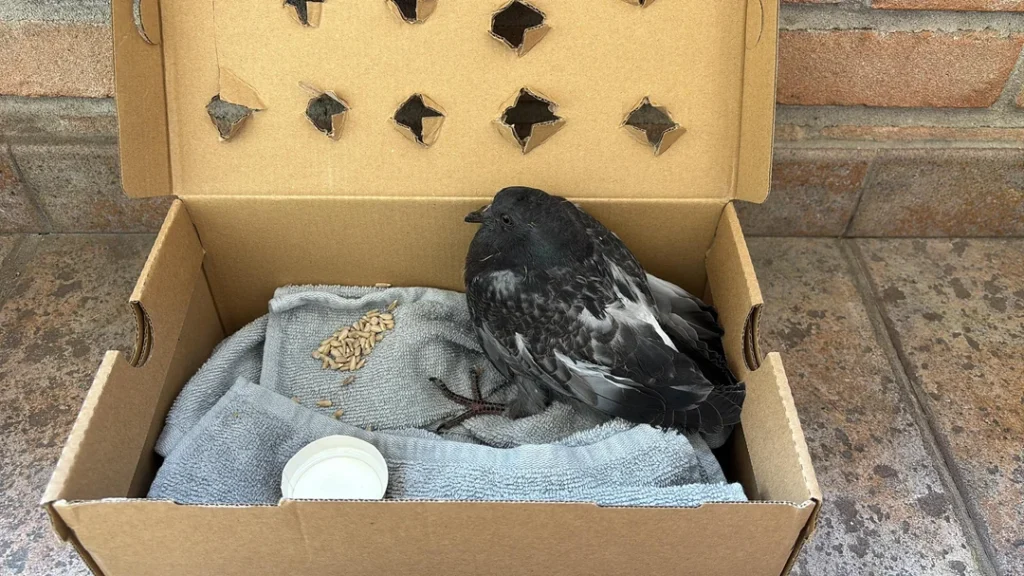
Nesting and Resting Area
Even if you are not breeding pigeons, they still need a place to rest comfortably.
I always add a small nesting bowl or a flat resting spot inside the cage. This gives the pigeon a sense of security.
If you are following a pigeon breeding guide later, this same area becomes even more important. Pigeons like to return to the same spot again and again.
A simple bowl with a bit of nesting material is enough. Do not overcomplicate it.
Food and Water Placement
Food and water setup should be simple and clean.
I place them in a corner where they do not get dirty easily. Raised bowls or clip-on feeders work best. This keeps droppings out of the food.
Fresh water must always be available. Pigeons drink more than many people expect.
Also, your feeding setup connects closely with what pigeons eat. A clean feeding area helps them eat properly and stay healthy.
Airflow and Light
Indoor cages still need fresh air. I always place the cage near a window, but not in direct cold drafts.
Natural light helps pigeons stay active and maintain a normal daily rhythm. A dark, enclosed space can make them dull and inactive.
Just make sure the cage is safe from strong winds or extreme heat.
Letting Pigeons Out of the Cage
Even with the best indoor pigeon cage ideas, pigeons benefit from time outside the cage.
I usually let my pigeons out in a safe room for a while each day. They walk around, flap their wings, and explore.
This improves their mood and supports natural pigeon behavior. It also reduces boredom.
Of course, you need to make the room safe before doing this. Close windows, remove hazards, and keep things simple.
Practical Pigeon Care Advice from Experience
From raising pigeons indoors, I have learned a few things that really make life easier.
First, keep everything simple. You do not need fancy equipment. A clean, spacious cage with basic items works best.
Second, stick to a routine. Feed at the same time each day and clean the cage regularly. Pigeons love routine and feel safer when things are predictable.
Third, observe your pigeon daily. Small changes in behavior can tell you a lot. If a pigeon stops moving much or eating well, something is wrong.
Finally, always think from the pigeon’s point of view. If the cage feels cramped or dirty to you, it feels even worse to the bird.
Tips and Common Mistakes
When I first started keeping pigeons indoors, I made a few mistakes that I wish someone had told me about earlier. Over time, I learned what really works and what causes problems. These tips come from real experience and will save you time and stress.
Helpful Tips for Indoor Pigeon Cage Setup
Keep the Cage Bigger Than You Think
One of the best decisions I ever made was choosing a larger cage.
Pigeons need room to move around. Even if you have only one bird, extra space makes a big difference. The pigeon stays active and relaxed instead of sitting in one corner all day.
If you are unsure, always go one size bigger.
Clean Daily and Keep It Simple
Indoor pigeons require regular cleaning. I clean the floor every day using a newspaper. It takes only a few minutes and keeps everything fresh.
A clean cage reduces smell and helps prevent pigeon diseases. It also makes your home environment much more comfortable.
Do not wait until it gets messy. Daily cleaning is the key.
Use a Fixed Feeding Spot
I always keep food and water in the same place.
Pigeons like routine. When they know where to find food, they feel more secure. It also helps you monitor how much they are eating, which is important when learning what pigeons eat and how their appetite changes.
Give Them a Safe Resting Area
A simple nesting bowl or resting spot makes a big difference.
Pigeons feel safer when they have a place to sit and relax. This also supports natural pigeon behavior, especially when they want quiet time.
Even a basic setup works well as long as it is clean and stable.
Let Them Get Some Out of Cage Time
If possible, let your pigeon out of the cage for a while each day.
This keeps them active and prevents boredom. I have noticed that pigeons that get some freedom are more friendly and less stressed.
Common Mistakes to Avoid
Using a Cage That Is Too Small
This is the most common mistake I see.
Small cages restrict movement and make pigeons uncomfortable. Over time, this can lead to stress and even health problems.
If your pigeon cannot walk or flap its wings properly, the cage is too small.
Ignoring Cleanliness
Some beginners clean only once every few days. That is not enough for indoor setups.
Dirty cages can quickly lead to bad smells and increase the risk of pigeon diseases. It also attracts insects.
Clean daily, and you will avoid most of these problems.
Placing the Cage in a Bad Location
Where you put the cage matters.
Do not place it in a dark corner or in direct strong wind. Pigeons need light and fresh air, but they also need protection from sudden temperature changes.
A calm and bright area works best.
Using the Wrong Type of Flooring
Wire floors without support can make pigeons uncomfortable.
Pigeons prefer flat surfaces. Always add something like a newspaper or a tray so they can stand properly.
Comfort plays a big role in their daily life.
Overcrowding the Cage
Keeping too many pigeons in one cage leads to stress and fighting.
Each pigeon needs its own space. If you plan to follow a pigeon breeding guide in the future, you will need to think even more carefully about space.
Start small and expand only when you are ready.
Not Observing Your Pigeon
Many people set up the cage and then forget to observe the bird closely.
Your pigeon will show signs if something is wrong. Changes in eating, movement, or behavior are important signals.
FAQ Section
What is the best cage for indoor pigeons?
From my experience, the best cage is one that gives enough floor space.
A large dog crate or a custom-built enclosure works very well. Pigeons need room to walk and move freely. A wide cage is always better than a tall, narrow one.
Avoid small bird cages. They are usually not suitable for pigeons.
Can pigeons live full-time indoors?
Yes, pigeons can live full-time indoors if their needs are met.
You need to provide a clean cage, fresh air, proper light, and a good feeding routine. Indoor pigeons can become very calm and even bond with their owner.
I still recommend giving them some time outside the cage each day if possible. This supports natural pigeon behavior and keeps them active.
How often should I clean an indoor pigeon cage?
I clean the cage every day, especially the floor.
Using a newspaper makes it quick and easy. Daily cleaning helps prevent smells and reduces the risk of pigeon diseases.
Food and water containers should also be cleaned regularly. Clean conditions keep pigeons healthy.
Do pigeons need a nesting area inside the cage?
Yes, even if you are not breeding pigeons.
A small nesting bowl or resting spot helps the pigeon feel safe. Pigeons like having a place they can return to and relax.
If you plan to follow a pigeon breeding guide later, this setup will already be useful.
What should I put at the bottom of a pigeon cage?
I always recommend simple and easy-to-clean materials.
The newspaper is my top choice. It is cheap, easy to replace, and keeps the cage clean. Some people also use paper towels or similar materials.
Conclusion
Indoor pigeon cage ideas are not about fancy setups or expensive equipment. From my experience, what really matters is space, cleanliness, and consistency.
If you give your pigeon enough room to move, a clean place to rest, and fresh food and water every day, you are already doing most things right. A simple setup often works better than a complicated one.
I have kept pigeons indoors for long periods, and the biggest difference always comes from how the cage is managed. When the cage is clean and comfortable, pigeons stay calm and active. Their pigeon behavior becomes more natural, and they are easier to handle.
It also makes your life as an owner easier. You spend less time dealing with problems and more time enjoying your birds.
As you continue learning, you will see how everything connects. Feeding habits link back to what pigeons eat. Health depends on cleanliness and awareness of pigeon diseases. And if you ever decide to expand, a good setup will support your pigeon breeding guide plans without much trouble.
Start simple. Observe your pigeon every day. Make small improvements as you learn.
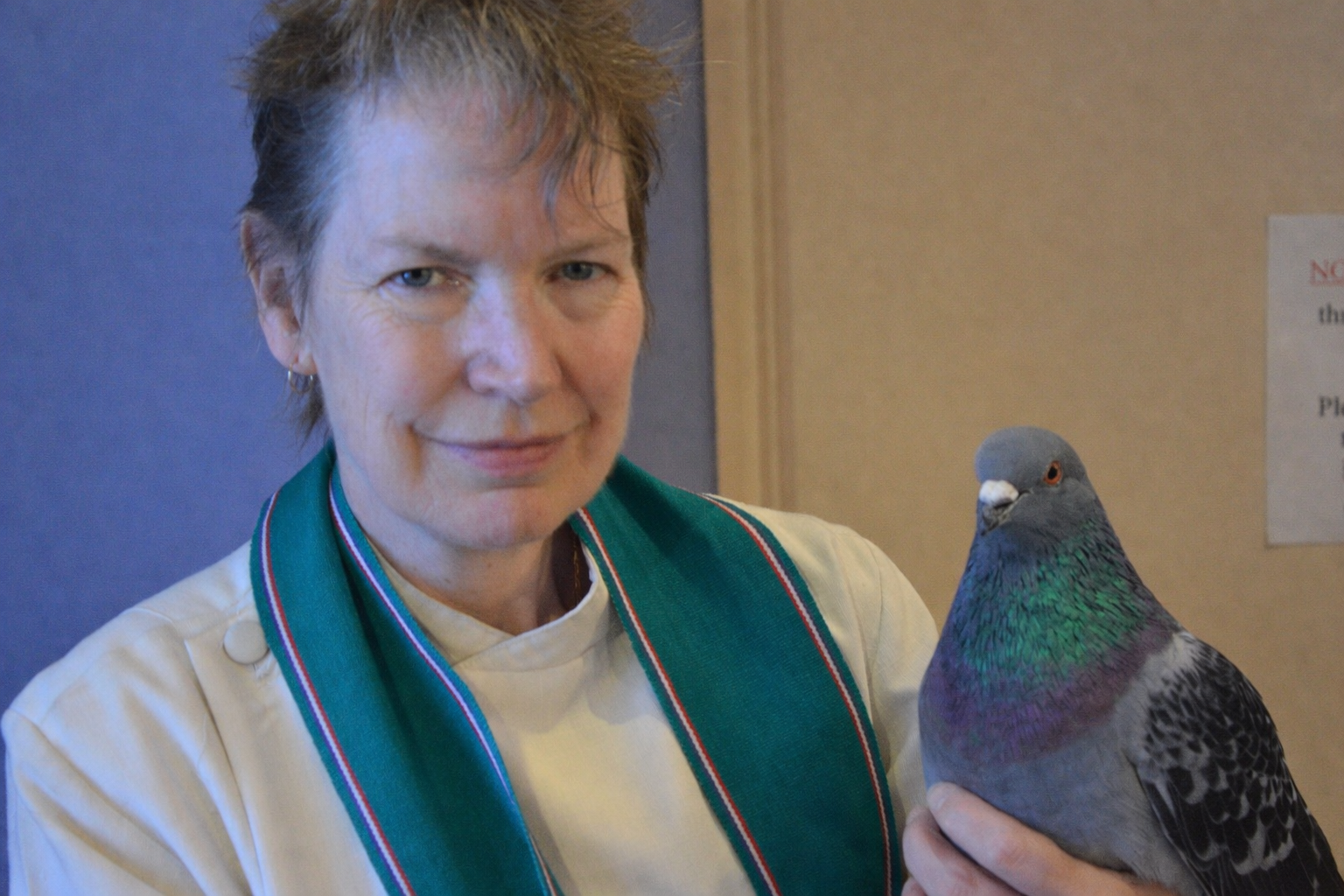
Barbara Allen is a writer and chaplain at Lort Smith Animal Hospital in Melbourne, Australia. She is the author of the book Pigeon, which explores the cultural and historical relationship between humans and pigeons. Allen has also written the picture book I Was There and contributed to publications such as Peace of Mind and Uniting Church Studies.