Difference Between Male and Female Pigeons | Easy Guide
If you spend enough time around pigeons, one question always comes up sooner or later. What is the difference between male and female pigeons?
I remember asking the same question when I first started raising pigeons. At first glance, they look almost identical. Their colors are often the same. Their size can be very close. New pigeon keepers usually expect an obvious difference, but pigeons do not make it that easy.
Over the years, after watching hundreds of birds in my loft, I learned that the difference between male and female pigeons becomes clear when you pay attention to behavior, body language, and subtle physical cues. Once you understand these signs, it becomes much easier to identify them.
Knowing the difference between male and female pigeons matters a lot for anyone who keeps pigeons. It helps you manage breeding pairs, prevent unwanted fighting, and understand how your birds behave inside the loft.
For example, if you plan to raise young birds, you need a proper pair. A male and female must bond before breeding can happen. If two males are placed together, thinking they are a pair, they will often fight rather than build a nest. I have seen beginners make this mistake many times.
Understanding the difference also helps when observing pigeon behavior. Male pigeons act very differently when they try to impress a female. They puff their chest, circle, and make a deep cooing sound. Female pigeons behave more calmly and usually respond differently during courtship.
Another reason this topic is important is breeding management. When you start following a proper pigeon breeding guide, knowing your birds’ genders helps you create strong breeding pairs and maintain a peaceful loft.
In my experience, pigeon keepers who learn these small details early have a much easier time caring for their birds. It also helps when monitoring health issues, because certain behaviors can sometimes look like sickness when they are actually normal mating behavior.
Many beginners also start learning about pigeon care through other topics, such as what pigeons eat, basic feeding routines, or common pigeon diseases. Gender identification becomes another important skill that fits right alongside those basics.
The good news is that you do not need complicated tools to figure this out. Most of the time, you need patience and careful observation.
Main Explanation of the Topic
Understanding the Difference Between Male and Female Pigeons
When someone first starts keeping pigeons, they often expect a clear physical difference between males and females. In reality, the difference between male and female pigeons is usually subtle. After raising pigeons for many years, I can say that behavior tells you far more than appearance.
Once you spend time watching your birds inside the loft, the signs become easier to notice. Pigeons signal their gender through their actions, posture, and interactions with other birds.
Male Pigeons Usually Have a Stronger Presence
One of the first things I noticed when I started raising pigeons was that males often look slightly stronger. Their body posture is more confident and upright.
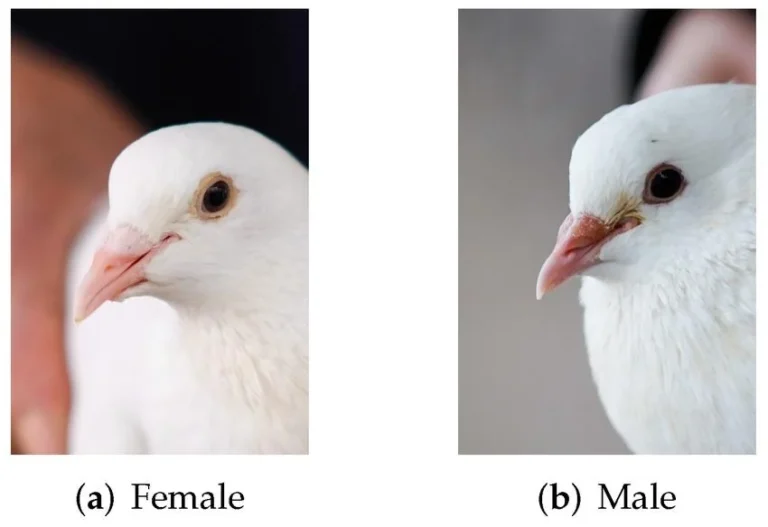
A male pigeon often has a slightly larger head and thicker neck. The chest is usually fuller as well. When the bird stands, it often holds its body proudly.
This difference is not always easy to see for beginners. Some female pigeons can look very similar. That is why experienced pigeon keepers usually observe behavior before making a final decision.
Female Pigeons Tend to Look Softer and Calmer
Female pigeons often have a slightly smaller head and a smoother body shape. Their posture is usually more relaxed.
They also tend to move more quietly inside the loft. While males often walk confidently, females usually behave in a calmer, more reserved way.
This does not mean females are weak birds. In fact, a good female pigeon can be a very strong and reliable breeder. But their personalities are usually less aggressive than those of males.
Male Pigeons Show Strong Courtship Behavior
The easiest way to notice the difference between male and female pigeons is by watching courtship behavior
Male pigeons perform a very clear display when they want to attract a female.
Here are common things a male pigeon will do:
Chest Puffing
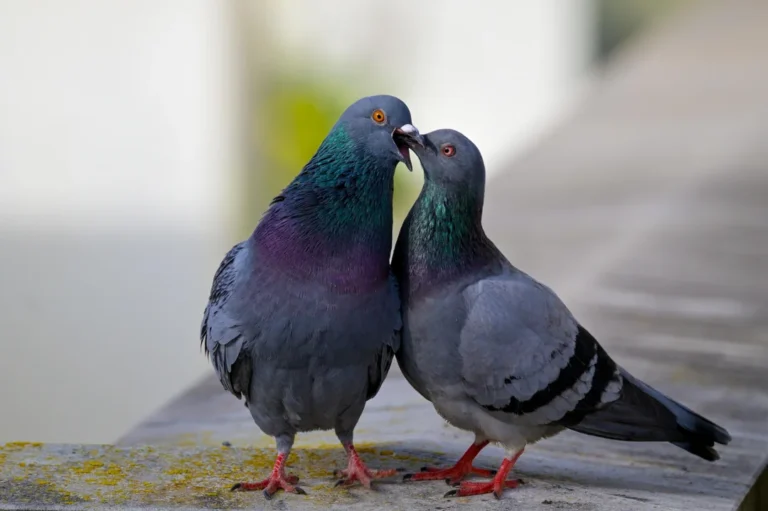
A male pigeon will puff out his chest and make himself look bigger. He walks in circles around the female while doing this.
This is a very classic pigeon behavior. Once you see it a few times, you will recognize it.
Cooing Sounds
Male pigeons make deep cooing sounds when they are trying to impress a female. The sound is louder and more persistent than a typical pigeon call.
This cooing is part of the natural behavior during courtship.
Circle Walking
A male often walks in tight circles around a female while bowing his head. Sometimes he even drags his tail feathers slightly on the ground.
This is his way of showing interest and inviting the female to pair with him.
Female Pigeons Respond Differently
While the male performs the display, the female reacts more calmly.
She may walk away at first or watch the male closely. If she accepts the male, she will eventually allow him to stay close and begin forming a pair bond.
Once pigeons pair up, they usually stay loyal to each other. This is why pairing the correct male and female is important if you plan to follow a proper pigeon breeding guide.
Nest Building Roles
Another interesting difference appears when pigeons begin preparing for breeding.
Male pigeons usually collect nesting materials. They bring small sticks, straw, or feathers to the nest area.
The female then carefully arranges the nest.
Watching this process is one of my favorite parts of keeping. It clearly shows how the two birds work together as a pair.
Males Are Often More Territorial
Male pigeons are more protective of their space. If another pigeon enters their nesting area, the male may chase it away.
Sometimes, es new pigeon keepers think their bird is aggressive or sick when they see this behavior. In reality, it is completely normal.
Understanding this helps when learning about general pigeon behavior inside the loft.
Females Focus More on the Nest
Female pigeons often spend more time sitting in the nest area once they bond with a male.
They prepare the nesting spot and later take turns incubating eggs with the male. Both parents share responsibility, which is one reason pigeons are such dedicated breeders.
Good care during this time is important. Proper nutrition also plays a role, which is why learning about what pigeons eat is very helpful for new pigeon keepers.
Observing Your Pigeons Is the Best Method
In my experience, the best way to understand the difference between male and female pigeons is to watch your birds every day.
Spend a few minutes observing them in the morning or evening. Over time, you will begin to notice patterns.
You will see which birds display, which birds respond, and which birds start forming pairs.
Once behaviors are recognized, identifying male and female pigeons becomes much easier and more natural.
Tips and Common Mistakes
After raising pigeons for many years, I have seen many beginners struggle to identify. The gender difference between male and female pigeons is not always obvious at first. That is why many new pigeon keepers make simple mistakes.
The good news is that these mistakes are easy to avoid once you understand how pigeons behave.
Here are some practical tips that I always share with new pigeon keepers.
Watch Behavior Before Appearance
One of the biggest mistakes beginners make is trying to identify gender only by looking at the bird.
Pigeons do not have bright color differences like some other birds; some females can look almost identical.
Instead of focusing only on body size or feather color, watch how the pigeon behaves.
A male usually performs the courtship display. He puffs his chest, bows his head, and circles around a female while making a deep cooing sound.
Once he sees the behavior, he usually identifies it very quickly.
Give Your Pigeons Time
Another common mistake is trying to determine gender too quickly.
Young pigeons do not always show clear gender behavior right away. Sometimes it takes a few weeks for their natural personality to become obvious.
Patience is very important when raising pigeons.
Spend time watching your birds each day. The more you observe them, the easier it becomes to notice the small differences.
This is something every experienced pigeon keeper learns over time.
Do Not Assume Size Always Means Male
Some pigeon keepers believe that the bigger pigeon must always be the male. This idea can sometimes be true, but it is not always reliable.
I have raised many pigeons where the female was actually larger than the male.
Body size can give a small hint, but behavior is usually a much better clue.
Pay Attention During Breeding Season
Breeding season is the easiest time to notice the difference between male and female pigeons.
Male pigeons become much more active during this time. They chase females, display their feathers, and try to attract attention.
If you keep pigeons long enough, you will recognize every breeding season.
Following a proper pigeon breeding guide also helps beginners understand what to expect when pigeons start pairing.
Watch How They Build the Nest
Nest building also reveals useful clues.
Male pigeons usually bring nesting material such as straw or small sticks. The female arranges the nest and prepares the spot where the eggs will be laid.
When you watch this teamwork inside the loft, it becomes easier to understand which pigeon is the male and which is the female.
Avoid Separating a Strong Pair
Sometimes, beginners accidentally separate a bonded pair because they are unsure of the gender.
Once pigeons form a pair, they often stay loyal to each other for a long time. Separating them can cause stress and confusion.
If you notice two pigeons spending a lot of time together, sitting side by side, and building a nest together, there is a good chance you already have a male and female pair.
Make Sure Your Pigeons Stay Healthy
Healthy pigeons show no behavior more clearly.
If a pigeon is sick or weak, its behavior may change. This can make gender identification more difficult.
Learning about common pigeon diseases helps you recognize when something is wrong.
Good food, clean water, and a well-maintained loft keep pigeons active and healthy.
A healthy pigeon will show its natural behavior, making it easier to understand.
Observe Feeding and Daily Routine
Watching your pigeons during feeding time also helps.
When you understand what pigeons eat and maintain a regular feeding schedule, pigeons become more relaxed around you. They behave naturally and move freely around the loft.
This makes it much easier to observe their interactions and notice which birds are displaying male behavior.
Keep Notes if You Raise Many Pigeons
If you keep several pigeons, it can help to write small notes about their behavior.
I often notice patterns after watching birds for a few days. Some males display every morning. Some pairs stay together constantly.
Keeping simple observations helps you learn faster and understand the difference between male and female pigeons more clearly.
FAQ Section
How can you tell the difference between male and female pigeons?
The easiest way to see the difference between male and female pigeons is to watch their behavior. Male pigeons usually puff their chest, bow their head, and circle a female while making a deep cooing sound. This is part of natural pigeon courtship behavior.
Female pigeons usually stay calmer. They may watch the male or slowly walk away at first. If she accepts him, the two birds will begin staying close together and may start preparing a nest.
Over time, careful observation becomes the most reliable way to identify pigeon gender.
Are male pigeons bigger than female pigeons?
In many cases, male pigeons are slightly larger. They may have a thicker neck and a fuller chest. Their posture often looks more confident as well.
However, this is not always a reliable rule. Some female pigeons can be the same size or even slightly bigger than the male.
That is why experienced pigeon keepers rely more on behavioral cues to identify male and female pigeons.
Do both male and female pigeons take care of the eggs?
Yes, both parents share the responsibility.
Pigeons are known for being very dedicated parents. The female lays the eggs, but both birds help incubate them. Usually, ly the male sits on the eggs during the daytime while the female takes the night shift.
This teamwork is one reason pigeon breeding works so well when birds form a strong pair. If you are learning more about raising young birds, following a proper pigeon breeding guide can help you understand the full breeding process.
Can two male pigeons act like a pair?
Yes, this can sometimes happen. Two male pigeons may show similar behavior and even try to build a nest together.
This usually occurs when there are not enough females in the loft. One of the males may act like a female during the interaction.
Because of this, beginners sometimes misidentify pigeons. Watching long-term behavior helps reveal the true difference between male and female pigeons.
Do male pigeons make more noise?
Yes, male pigeons usually make louder and more frequent cooing sounds. This is especially noticeable when they are trying to attract a female.
The deep cooing sound is part of normal pigeon courtship behavior. Females can make sounds too, but they are usually quieter and less persistent.
Understanding these sounds helps the pigeon keeper recognize what is happening inside the loft.
Conclusion
Understanding the difference between male and female pigeons becomes much easier once you spend time observing your birds. At first, many pigeons look almost identical. Their feathers, color, and size can be very similar. This is why beginners often feel confused.
With experience, the signs become clearer.
Male pigeons usually show stronger courtship behavior. They put out their chests, bow their heads, and walk in circles while making deep cooing sounds. They are often more confident and protective of their space inside the loft.
Female pigeons tend to behave more calmly. They respond to the male’s display and focus more on nest preparation after accepting a partner.
Watching this natural pigeon behavior is one of the most enjoyable parts of keeping pigeons. It also teaches you a lot about how these birds communicate and form strong pair bonds.
For anyone raising pigeons, learning this skill is very helpful. It helps you create proper breeding pairs and avoid unnecessary fighting between birds. It also makes it easier to follow a good pigeon breeding guide when you want to raise healthy young pigeons.
Daily observation is the best teacher. Spend a few minutes watching your pigeons during feeding time or when they are relaxing in the loft. You will start to notice patterns in their behavior and interactions.
Good care also plays an important role. Healthy pigeons behave more naturally and show clearer gender differences. Providing proper food, clean water, and a clean loft helps your birds stay active and comfortable. If you are still learning about pigeon care, understanding what pigeons eat and recognizing pigeon diseases are important parts of responsible pigeon keeping.
After raising pigeons for years, one thing becomes very clear. The more time you spend observing your birds, the more you learn about them.
Once you recognize signs and behaviors, identifying the difference between male and female pigeons becomes simple and natural. And that knowledge makes pigeon keeping even more enjoyable.

Barbara Allen is a writer and chaplain at Lort Smith Animal Hospital in Melbourne, Australia. She is the author of the book Pigeon, which explores the cultural and historical relationship between humans and pigeons. Allen has also written the picture book I Was There and contributed to publications such as Peace of Mind and Uniting Church Studies.