How to Sex a Pigeon | Male vs Female Identification Guide
If you are raising pigeons, one of the first things you might wonder is how to tell if a pigeon is male or female. This is called sexing a pigeon. Knowing the difference matters because it helps you plan breeding, keep pairs together, and understand their behavior.
Sexing a pigeon is not always easy. Unlike some animals, pigeons do not have obvious differences in color or size. Even experienced pigeon keepers sometimes need to watch their birds closely to tell them apart. But with careful observation and a few practical tips, you can learn to tell males and females apart.
Understanding whether your pigeons are male or female also helps with their care. For example, females spend more time nesting and incubating eggs, while males often display courtship behaviors such as cooing and strutting. If you are planning to breed, knowing the sexes ensures you pair birds correctly and avoid fights. Even for hobby keepers who are not breeding, knowing the sex can help you understand their behavior and interactions.
In this guide, I will share simple, practical ways to sex a pigeon, based on my experience raising them. You will learn how to look for physical cues, watch behavior, and understand subtle signs that can help you identify males and females. By the end, you will feel more confident in handling and caring for your pigeons, whether you are breeding or just keeping them as pets.
Pigeon care is easier when you know your birds well. Along the way, you might also find it useful to check related topics like what pigeons eat and pigeon behavior. These can give you more insight into keeping your flock happy and healthy.
Sexing pigeons may take time, but with patience and observation, it becomes second nature.
How to Sex a Pigeon
Sexing a pigeon takes careful observation and a little practice, but it is possible to do so without any special equipment. There are a few ways to tell males from females. I will share the methods I use in my loft every day.
Watch Their Behavior
Behavior is one of the easiest ways to start. Male pigeons are usually more active in showing off. They coo loudly, puff out their chest, and strut around, especially when a female is nearby. You might see them bow, circle, or fan their tail to get attention.
Females, on the other hand, are calmer. They tend to spend more time sitting quietly, especially in the nest area. If you notice a pigeon spending a lot of time on eggs or in the nesting box, it is most likely a female. Observing these patterns over a few days gives you a good clue.
Look at Physical Traits
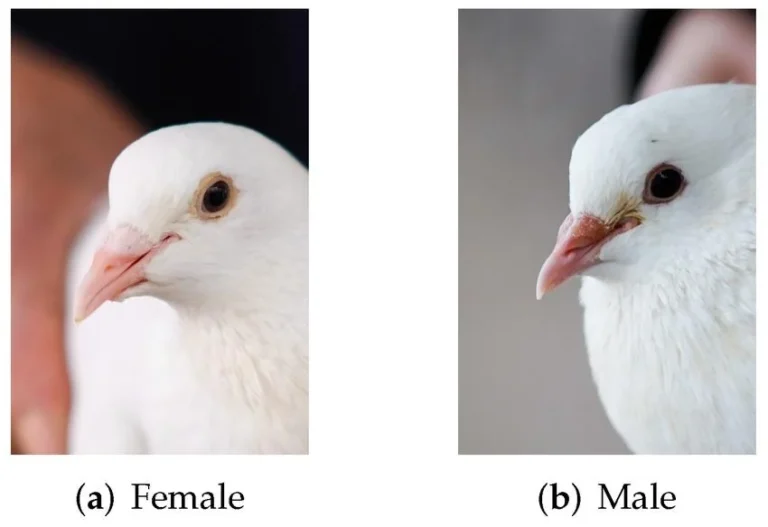
Some physical differences are subtle but useful. Male pigeons often have slightly larger bodies and thicker necks. Their heads may look slightly larger than those of females. Females tend to be smaller and have a more slender neck.
Another tip is to check their back and wings. Males often have stronger, broader wings, while females have more delicate feathering. These signs are easier to notice once you have handled pigeons for a while and have birds of both sexes to compare.
Observe Courtship
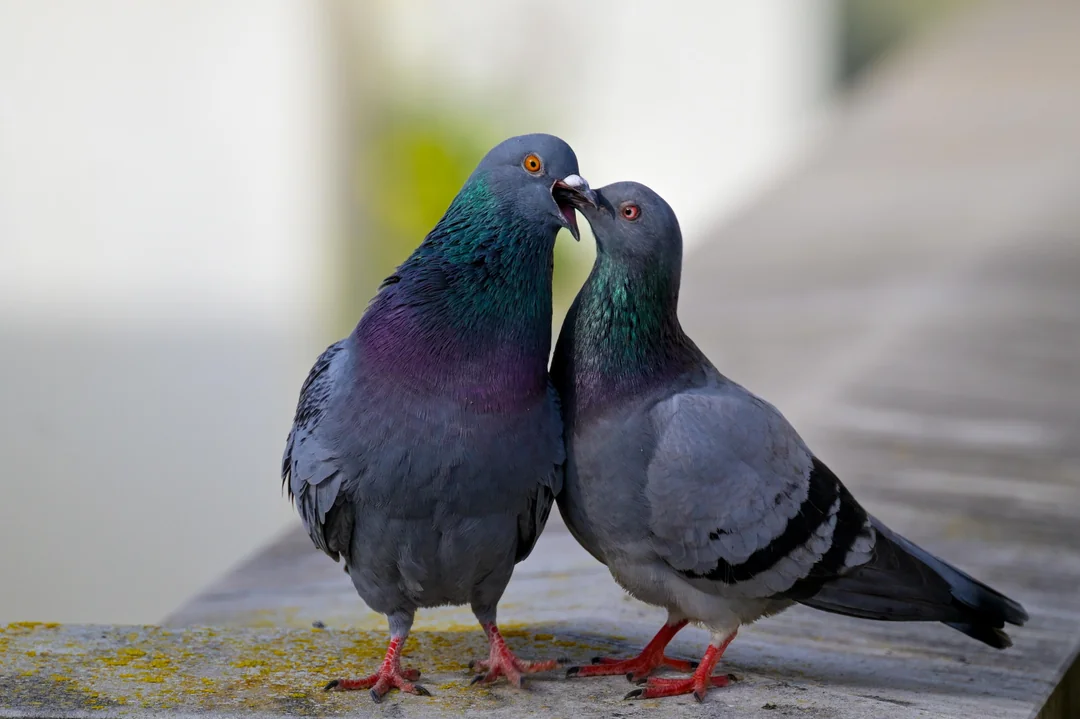
If you are trying to pair pigeons for breeding, courtship is a clear sign. Males usually approach females first. They coo, bow, and even nibble gently at the female’s beak. Females often accept or ignore these advances; this natural behavior is one of the most reliable ways to confirm the sexes.
Handling and Vent Sexing
Experienced pigeon breeders sometimes use vent sexing, which involves gently checking the pelvic bones near the vent. Females have slightly wider spacing to allow eggs to pass. This method requires care and patience to avoid hurting the bird. I use it only when behavioral appearances are unclear.
Combine Methods for Accuracy
No single method is perfect. Observing behavior, examining physical traits, and checking courtship together usually yield the best results. Sometimes it takes a few weeks of careful watching, especially with young pigeons that have not yet started breeding.
Practical tip: keep a small notebook and note each bird’s behavior and traits. Over time, you will see patterns that make sexing easier and more reliable.
Practical Pigeon Care While Sexing
Sexing pigeons works best when you handle them carefully and observe them in a comfortable environment. Here are some practical tips I use every day in my loft.
Create a Calm Environment
Pigeons get stressed easily, especially when you are trying to observe them closely. I always make sure the loft is quiet and free from sudden movements or loud noises. Stress can cause birds to hide their l natural behaviors, making sexing harder.
Make sure your pigeons have enough space to move around and perch comfortably. When relaxed, males are more likely to display courtship behavior because they assume those positions more often. positions
Handling Pigeons Safely
When you need to handle a pigeon, do it gently. Support their body with one hand under the breast and the other around the back. Avoid squeezing or holding the wings tightly. Regular handling, but carefully, helps you notice physical traits such as size, neck thickness, and pelvic bones without hurting the bird.
For vent sexing, I only do it when necessary and after the bird is calm. It takes practice to feel the pelvic bones correctly. If you are unsure, watching behavior over time is often safer and more accurate.
Use Observation to Your Advantage
Spend time watching your pigeons in the loft. Males will strut and coo, and females will sit quietly on eggs or in nesting areas. I keep a small notebook and note each bird’s habits, which makes sexing more accurate over time.
Even for non-breeding pigeons, knowing the sex helps manage the flock. Males may fight if kept together without females, and females may compete for nesting space. Observing interactions helps you plan housing and prevent stress.
Feeding and Health While Sexing
Healthy pigeons are easier to sex because they display natural behaviors clearly. Feed a mix of grains, such as corn, wheat, and peas, and provide clean water daily. Adding grit supports digestion, keeping them active and healthy.
Watch for any signs of illness while observing behavior: dull feathers, abnormal droppings, or unusual quietness can affect behavior, making sexing less accurate. Regularly checking your flock for health issues is part of good pigeon care.
Combining Care with Learning
Sexing pigeons is not just about identifying males and females. It is an opportunity to understand better your flock, serve their needs, keep them safe and healthy, make sexing easier, and improve their quality of life.
If you are interested in breeding, this experience will also help with pairing birds correctly. Related guides, such as the breeding guide and pig behavior, provide more insight for this next step.
Tips and Common Mistakes When Sexing Pigeons
Even with experience, pigeon keepers often make small mistakes when trying to sex their birds. Here are some tips I’ve learned over the years and common pitfalls to avoid.
Tips for Accurate Sexing
- Observe Over Time: One quick look is rarely enough. Watch your pigeons for several days. Males and females exhibit different natural behaviors at different times of day. Keeping a notebook helps you track who is doing what.
- Compare Birds Side by Side: Having multiple pigeons together makes it easier to spot differences. Size, neck thickness, and behavior become clearer when you can compare males and females directly.
- Use Multiple Methods: Relying on a single method can lead to mistakes. nation of Combination of behavioral observations with physical s traits and, as needed, vent sexing. This gives the most accurate results.
- Handle Gently: Always support your pigeon’s body and avoid squeezing its wings or chest. Gentle handling reduces stress and prevents injuries. Pigeons that are relaxed exhibit these behaviours remomoreiably.
- Keep Birds Healthy: Healthy pigeons are easier to sex. Make sure they have a clean loft, fresh water, balanced feed, and occasional grit. Sick or stressed pigeons may hide courtship behaviors or appear weaker than they really are.
Common Mistakes to Avoid
- Relying Only on Size or Color. Some beginners assume the bigger pigeon is male, or that the color patterns indicate. This is often misleading because pigeons of the same breed can look very similar.
- Judging Too Early: Young pigeons, called squabs, do not show adult behavior until they are several months old. Trying to sex them too soon can lead to mistakes. Wait until they are more mature, around six months or older.
- Ignoring Behaviors is one of the best clues, but some keepers skip this step and rely only on physical traits. Males often show courtship by cooing and strutting, which is easier to observe than subtle body differences.
- Stressful Handling: Forcing a pigeon into your hands or trying to vent sex too early can stress the bird and make its behaviors less clear. Always calm your pigeons first and handle them slowly.
- Overlooking Nesting Habits: Females usually spend more time in the nest, even before they lay eggs. Ignoring nesting behavior can make you miss an obvious clue to their sex.
Practical Advice
Keep in mind that sexing pigeons is a combination of science and patience. Even experienced breeders sometimes need a few weeks of careful observation. Treat it as a learning process. Along the way, you will also notice details about pigeon behavior, habits, and interactions that help with overall care.
Using these tips will help you avoid mistakes and make it much easier to identify males and females.
FAQ About How to Sex a Pigeon
Here are some common questions I get from pigeon keepers about sexing pigeons, with answers based on real experience.
Can I tell a pigeon’s sex just by looking at it?
Sometimes, but not always. Some breeds have subtle differences in size or feather patterns, but most pigeons look very similar. Observing behaviors, especially cooing, strutting, and nesting, provides more reliable clues than appearance alone.
At what age can I start sexing pigeons?
It is easier when pigeons are at least six months old. Young pigeons, called squabs, have not yet developed adult behavior, so you can observe clear courtship and nesting behaviors, which are key for accurate sexing.
Is vent sexing safe for beginners?
Vent sexing can be safe if done carefully, but it takes practice. Always handle the bird gently and make sure it is calm. If you are unsure, stick to observing behavior and physical traits until you gain more experience.
What are the signs a male pigeon shows during courtship?
Males often puff out their chest, coo loudly, bow, circle, and fan their tail. They may nibble at the female’s beak or follow her around. These behaviors are much more obvious than size or feather differences.
How do nesting habits help identify females?
Females usually spend more time in nesting boxes or sitting on eggs. Even before laying, they often prefer quiet corners or elevated spots in the loft. Watching which birds take the nest first is a strong indicator of a female.
Observing your pigeons closely and combining these signs will make sexing much easier over time. You also learn more about the care of pinngeons in the princess.
Conclusion
Knowing how to sex a pigeon is an important skill for anyone raising these birds. It helps with breeding, managing your flock, and understanding its behavior. Pigeons look very similar at first, but careful observation and patience make it much easier to tell males and females apart.
Watch for behaviors such as kee-cooing, strutting, and nestlings. Compare physical traits like size, neck thickness, and wing strength. When needed, gently handle birds or use vent sexing, but always with care. Combining these methods over time gives the most reliable results.
Remember that healthy pigeons show their true behaviors. Keep their loft clean, provide fresh water, a balanced diet, and space to move freely. Observing your birds closely not only helps with sexing but also improves overall pigeon care.
Sexing pigeons is a skill that grows with experience. Take your time, be patient, and enjoy learning about each bird’s personality. Along the way, topics such as what birds eat, a pigeon breeding guide, and pigeon behavior can deepen your knowledge and make you happier.
With these tips, you can confidently identify males and females, handle your pigeons safely, and enjoy raising them as a rewarding hobby.
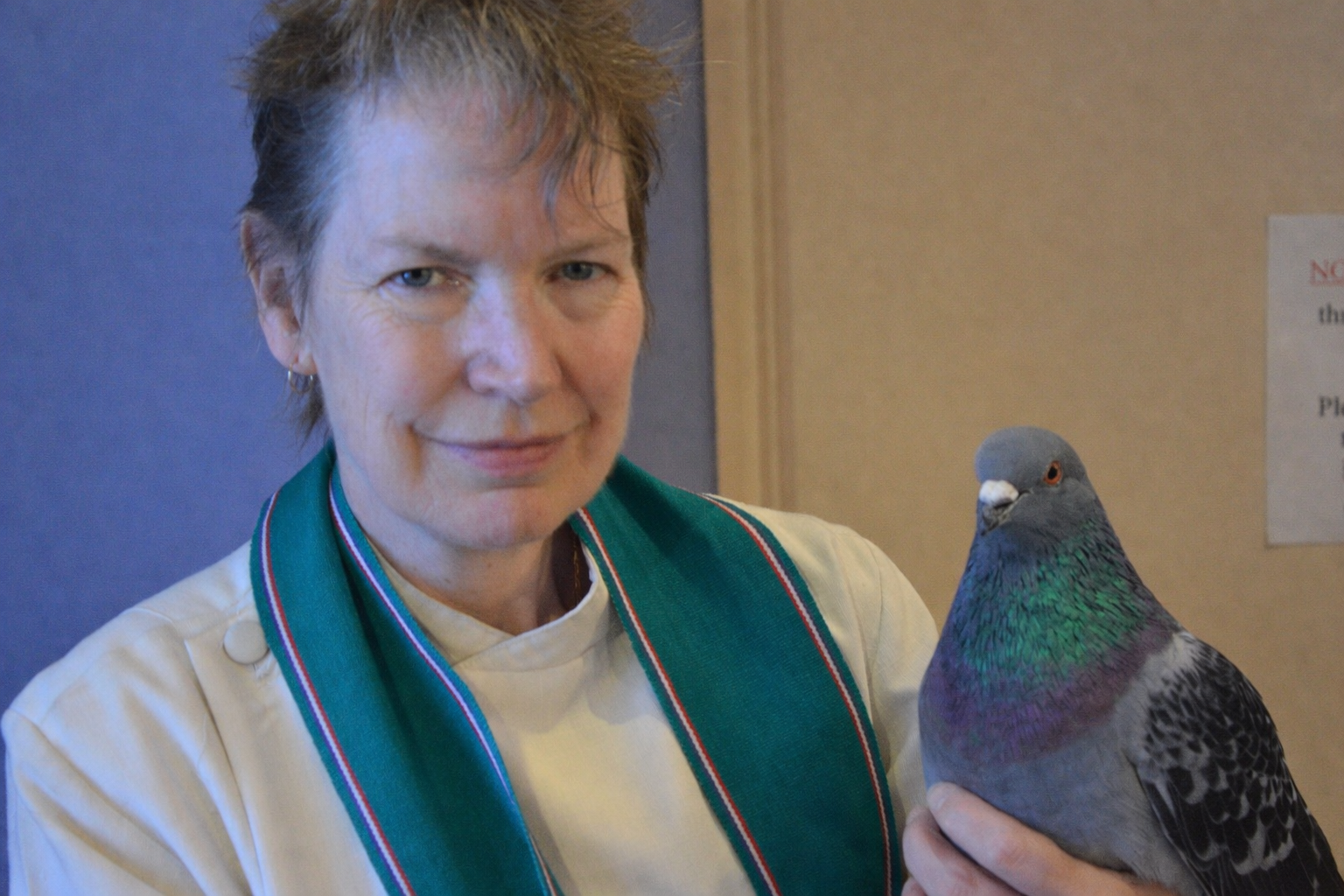
Barbara Allen is a writer and chaplain at Lort Smith Animal Hospital in Melbourne, Australia. She is the author of the book Pigeon, which explores the cultural and historical relationship between humans and pigeons. Allen has also written the picture book I Was There and contributed to publications such as Peace of Mind and Uniting Church Studies.