Giant Runt Pigeon | Breed Size, Traits, and Care Guide
If you have ever seen a giant runt pigeon up close, you know how impressive these birds are. They are big, strong, and calm, and they stand out right away compared to regular pigeons. I still remember the first time I brought a pair into my loft. They looked almost twice the size of my other birds, and their quiet nature made them very easy to handle.
The giant runt pigeon is one of the largest domestic pigeon breeds. People keep them for meat, breeding, and sometimes just because they enjoy raising large, beautiful birds. Over time, I have worked with many breeds, but giant runts always feel a bit special because of their size and steady behavior.
If you are thinking about adding this breed to your loft, it helps to understand how they live, what they need, and how they behave. They are not difficult birds, but they are different from smaller pigeons in a few important ways.
Explain the topic in simple terms
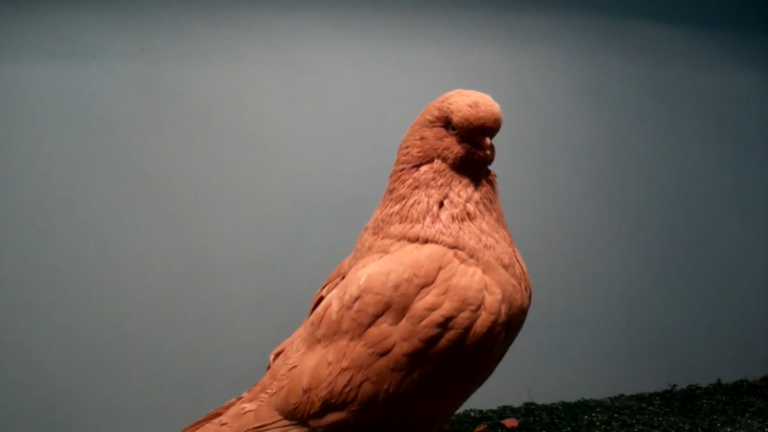
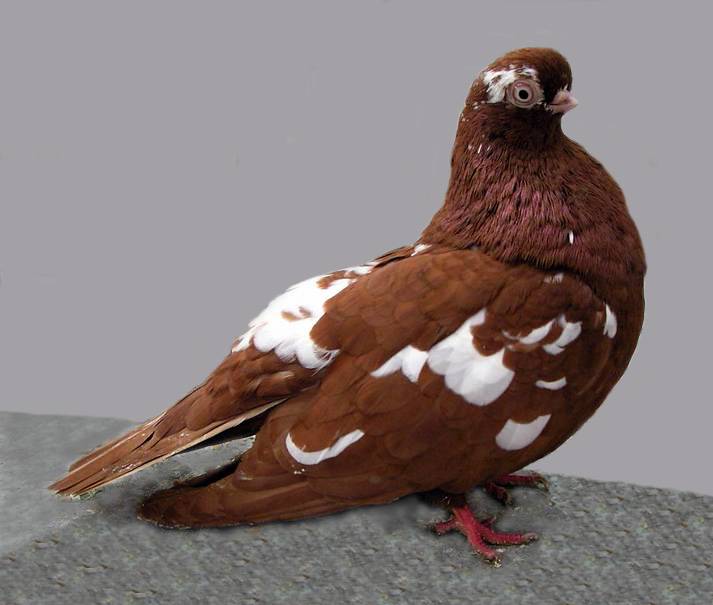
A giant runt pigeon is a heavy breed of pigeon that has been raised for many years, mainly for meat production. These birds are larger than most other pigeons and have broad chests, strong legs, and thick bodies.
In simple words, if a regular pigeon feels light in your hand, a giant runt feels solid and heavy. Some of my adult birds feel more like holding a small chicken than a pigeon.
They are usually calm and not very active flyers. In fact, most giant runts prefer walking around the loft or ground instead of flying long distances. This makes them easier to manage, especially for beginners.
Their size also affects how you care for them. Feeding, housing, and even breeding can be a bit different from those of lighter breeds. That is why it is important to learn the basics before you start.
Why this topic matters for pigeon owners
Understanding the giant runt pigeon is important if you want healthy birds and good results from your loft.
First, their size means they eat more than average pigeons. If you do not feed them properly, they can quickly lose condition. This connects closely with knowing what pigeons eat, especially when raising larger breeds.
Second, breeding giant runts needs a bit of attention. Because of their heavy body, some pairs may need extra space and a proper nesting setup. If you are serious about raising them, learning from a good pigeon breeding guide will help a lot.
Third, like all pigeons, they can face health problems. Bigger birds sometimes show signs of pigeon diseases differently, so you need to observe them closely every day.
Finally, their calm nature and low flying ability make them different in behavior. Understanding pigeon behavior will help you manage them better and avoid common mistakes.
From my own experience, giant runt pigeons are very rewarding to raise. They are easygoing, strong, and can do well if you give them the right care from the start.
When you start raising a giant runt pigeon, the first thing you notice is how different they feel compared to lighter breeds. They move more slowly, eat more, and prefer staying on the ground rather than flying.
These birds were developed mainly for meat production, so their bodies are built for size and weight. A healthy giant runt has a wide chest, thick neck, and strong legs. If your bird looks thin or weak, it is usually a sign that something isn’t right.
From my experience, one of the most important things with giant runts is space. They do not like crowded lofts. Because they are large, they need more room to move comfortably. If you keep them in a tight space, they can become stressed and may even stop breeding.
I always give my giant runts a ground-level setup or low perches. High perches are not ideal because these birds are heavy and can hurt themselves when jumping down.
Another thing you should know is that giant runt pigeons are not strong flyers. Some can fly short distances, but most prefer walking. So do not expect them to behave like racing pigeons. Their strength is in growth and a calm nature, not flying.
Practical pigeon care advice
Feeding giant runt pigeons
Feeding is where many beginners make mistakes. Giant runts need more food than normal pigeons, but it must be balanced.
I usually feed a mix of:
- Corn
- Wheat
- Peas
- Lentils
Corn helps with energy and weight gain. Peas and lentils give protein, which is very important for muscle growth.
If you already know what pigeons eat, then just remember that giant runts need slightly more protein and quantity.
I feed them twice a day and always make sure clean water is available. Bigger birds drink more water, especially in warm weather.
Housing and loft setup
Your loft setup can make a big difference.
Here is what works best for me:
- Wide floor space so they can walk freely
- Low nest boxes that are easy to access
- Good ventilation, but no direct cold wind
- Clean and dry floor
I avoid overcrowding at all times. A crowded loft can quickly lead to stress and even pigeon diseases.
I also use deeper nest bowls because giant runt pigeons are heavier. This helps keep eggs safe and prevents them from rolling out.
Breeding giant runt pigeons
Breeding these birds is rewarding, but you need to be patient.
Because of their size, mating can sometimes be slower compared to lighter pigeons. I always choose strong and healthy pairs.
A few tips from my loft:
- Do not rush pairing
- Make sure both males and females are at a good weight
- Give them a quiet space during nesting
If you follow a proper pigeon breeding guide, you will understand how to manage eggs, incubation, and young birds more easily.
The parents usually take good care of their chicks, but you should still check regularly.
Daily care and observation
This is something I always tell beginners. Spend time watching your birds every day.
With giant runt pigeons, small changes matter. If a bird stops eating or sits quietly in a corner, that is an early sign of a problem.
Healthy birds should:
- Eat well
- Walk actively
- Have clean feathers
- Show interest in surroundings
Understanding pigeon behavior helps you catch issues early before they become serious.
I also clean the loft regularly. Bigger birds produce more waste, so hygiene is especially important to prevent illness.
Tips and common mistakes
Over the years, I have seen many beginners struggle with giant runt pigeon care. Most problems come from small mistakes that are easy to fix once you understand the breed properly. I will share some real tips from my own loft that can save you time and trouble.
Practical tips for better results
Give them more space than you think
This is one of the biggest lessons I learned early on. Giant runt pigeons need more room than regular pigeons. If you keep them in a tight space, they become stressed and lazy.
I always keep fewer birds per section compared to my smaller breeds. When they have space to move, they stay healthier and breed better.
Focus on strong nutrition
Do not just feed random grains. These birds grow big, so they need proper nutrition every day.
I always make sure my feed mix has enough protein. Peas and lentils are very important here. If the diet is weak, you will notice slow growth and poor breeding.
If you already understand what pigeons eat, then just adjust the quantity and protein level for this breed.
Keep nest boxes low and safe
Because giant runt pigeons are heavy, high nest boxes can cause problems. I have seen birds fall and even break eggs.
I always place nest boxes close to the ground. This keeps both the parents and eggs safe.
Watch their weight
This might sound strange, but giant runts can become too fat if overfed.
A healthy bird should feel strong and solid, not overly soft. If a bird becomes too heavy, it may have trouble breeding.
So feed well, but do not overdo it.
Maintain clean conditions
Cleanliness is very important with larger birds. They produce more droppings, which can quickly make the loft dirty.
I clean my loft often and keep everything dry. This reduces the risk of pigeon diseases and keeps the birds comfortable.
Common mistakes to avoid
Overcrowding the loft
Many beginners try to keep too many birds in one space. This is a big mistake.
Overcrowding leads to stress, fights, and sickness. Giant runt pigeons need room to move freely.
Always choose quality over quantity.
Ignoring early signs of illness
Sometimes a bird will sit quietly or stop eating. Many people ignore this, thinking it is normal.
From my experience, this is often the first sign of a problem. Understanding pigeon behavior helps you catch these signs early.
If you act quickly, you can save the bird.
Poor breeding setup
Breeding heavy pigeons is not the same as breeding light ones.
If the nest box is too small or placed too high, eggs can get damaged. Also, weak pairs should not be used for breeding.
Following a proper pigeon breeding guide can help you avoid these issues.
Feeding too much corn only
Corn is good, but too much of it can make birds fat and unbalanced.
I always mix corn with protein sources like peas. A balanced diet keeps the birds strong and active.
Not giving enough rest to breeding pairs
Some people push their birds to breed again and again without rest.
This weakens both the parents and the chicks. I always give my pairs time to recover between breeding cycles.
FAQ section
What is the average size of a giant runt pigeon
A giant runt pigeon is one of the largest pigeon breeds you can raise. Adult birds can weigh between 1.5 and 2.5 pounds, and sometimes even more if well cared for.
When you hold one, it feels much heavier than a normal pigeon. The body is wide, the chest is deep, and the legs are strong. From my experience, a healthy bird should feel firm and well built, not skinny or overly soft.
Are giant runt pigeons good for beginners?
Yes, they can be a good choice for beginners if you understand their basic needs.
They are calm, easy to handle, and not very aggressive. They also do not fly much, which makes them easier to manage in a loft.
However, beginners must pay attention to feeding, spacing, and cleanliness. If you follow simple care routines and learn basic pigeon behavior, you can raise them successfully.
What do giant runt pigeons eat
Giant runt pigeons eat the same types of grains as other pigeons, but they need more food and better balance.
I usually feed a mix of corn, wheat, peas, and lentils. Peas are very important because they provide protein, which helps in growth and breeding.
If you are learning what do pigeons eat, just remember that giant runts need slightly more quantity and better nutrition compared to lighter breeds.
Always provide clean water and avoid feeding spoiled grains.
Can giant runt pigeons fly
They can fly short distances, but they are not strong flyers.
Because of their heavy body, most giant runt pigeons prefer walking or making short jumps. In my loft, they mostly stay on the ground or low perches.
This is normal for the breed, so do not expect them to behave like racing pigeons.
How often do giant runt pigeons breed
They can breed multiple times a year if they are healthy and well-fed.
Usually, a pair will lay two eggs at a time. With proper care, they can raise several rounds of chicks in a year.
But it is important not to overbreed them. I always give my birds rest between cycles. Following a good pigeon breeding guide helps maintain healthy parents and strong chicks.
Conclusion
Raising a giant runt pigeon is a great experience if you enjoy working with strong, calm, and impressive birds. They are not like fast flying pigeons. They are steady, heavy, and easygoing, which makes them special in their own way.
From my own loft, I can say that success with this breed comes down to a few simple things. Give them enough space, feed them properly, and keep their environment clean. These three things alone will solve most problems before they even start.
Always pay attention to your birds every day. Small changes in pigeon behavior can tell you a lot. If a bird is eating less or sitting quietly, take it seriously. Acting early can prevent bigger issues later, including common pigeon diseases.
Breeding giant runt pigeons can be very rewarding, but do not rush it. Choose healthy pairs, provide adequate nesting space, and allow them time to rest between breeding cycles. A good pigeon breeding guide can help you improve your results over time.
Also, never underestimate the importance of proper feeding. Understanding what pigeons eat and adjusting it for larger breeds, such as giant runts, will make a big difference in their growth and health.
If you are just starting out, do not worry about being perfect. Learn step by step, observe your birds, and improve as you go. That is how I learned, and it still works today.
With the right care and patience, your giant runt pigeons will grow strong, stay healthy, and give you a very satisfying experience as a pigeon keeper.
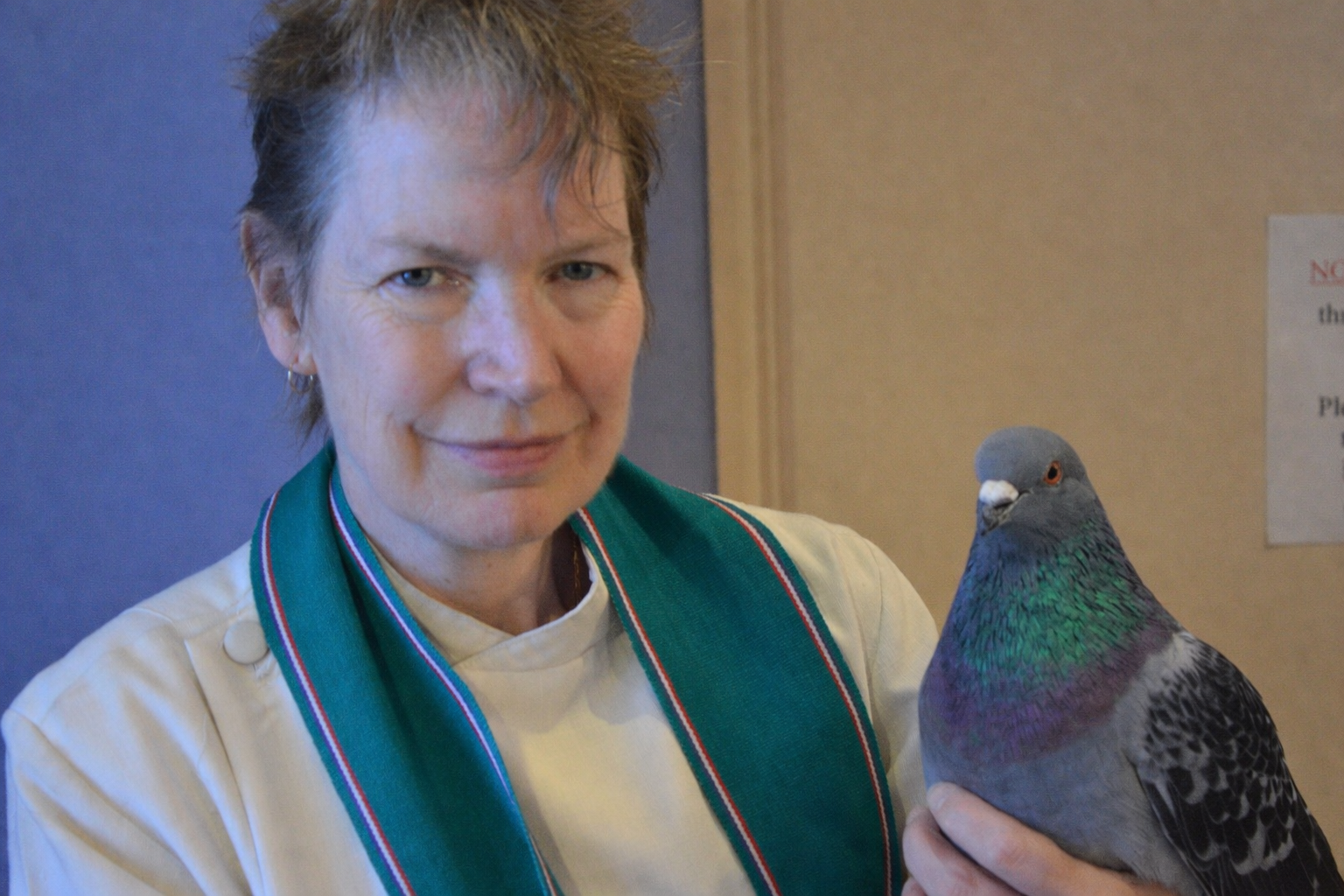
Barbara Allen is a writer and chaplain at Lort Smith Animal Hospital in Melbourne, Australia. She is the author of the book Pigeon, which explores the cultural and historical relationship between humans and pigeons. Allen has also written the picture book I Was There and contributed to publications such as Peace of Mind and Uniting Church Studies.