Nicobar Pigeon | Facts, Habitat, and Unique Features
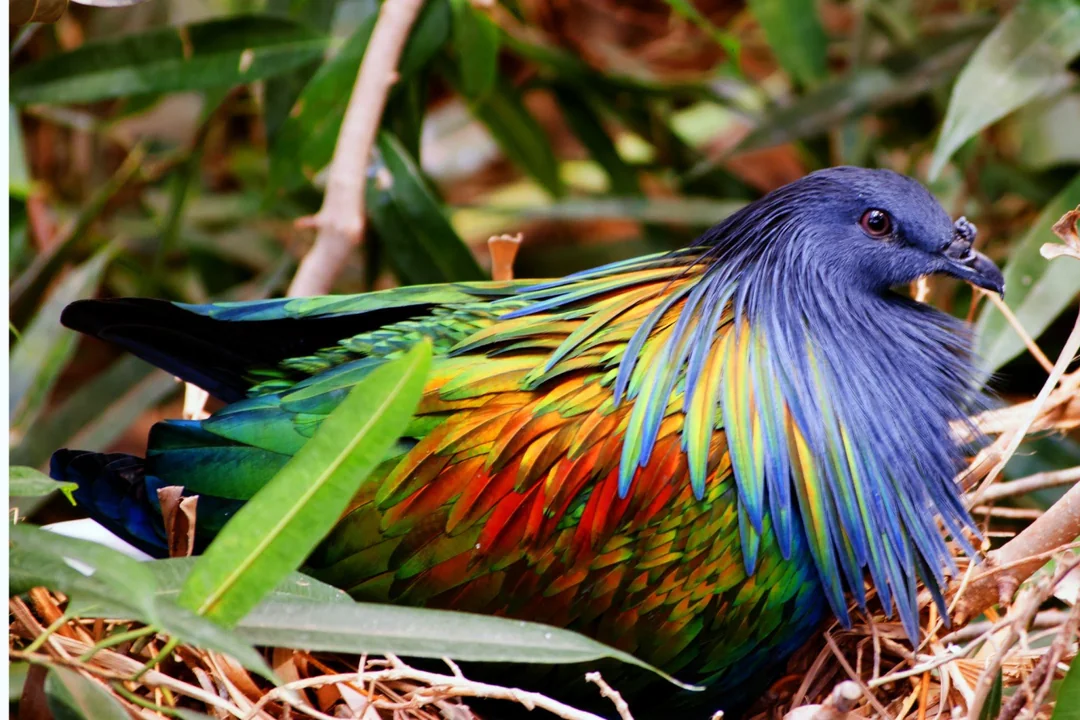
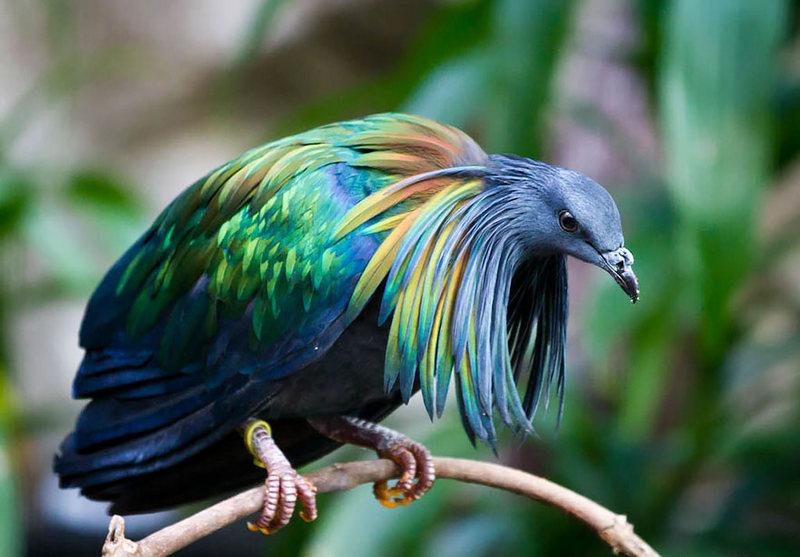
The Nicobar pigeon is one of the most beautiful pigeons I have ever seen in my life. The first time I came across one, I honestly thought it looked more like a tropical bird than a pigeon. Its shiny green and blue feathers, long neck hackles, and bright white tail make it stand out right away.
If you are curious about the Nicobar pigeon, you are not alone. Many pigeon keepers in the United States are drawn to this bird because of its unique appearance and rarity. It is not your typical backyard pigeon, and that is exactly why people want to learn more about it.
I have raised many types of pigeons over the years, from common homers to fancy breeds. The Nicobar pigeon is very different from what most people are used to. It is not a beginner bird, but understanding it can help you become a better pigeon keeper overall.
Explain the Topic in Simple Terms
The Nicobar pigeon is a wild species of pigeon native to the island regions of Southeast Asia. It is actually one of the closest living relatives to the extinct dodo bird. That alone makes it very special.
Unlike the pigeons we usually keep in lofts, this bird prefers quiet, natural environments. It spends a lot of time on the ground searching for food, but it also flies up to trees to rest and stay safe. Its body is strong, and its feathers shine in sunlight with metallic colors that you rarely see in other pigeons.
From a care perspective, this bird is very different from common breeds. It needs more space, a calm environment, and careful attention. You cannot treat it the same way you would treat a regular city pigeon or even a fancy show pigeon.
Why This Topic Matters for Pigeon Owners
Even if you never plan to own a Nicobar pigeon, learning about it can still teach you a lot. It helps you understand how different pigeon species behave in the wild. That knowledge can improve how you care for your own birds.
For example, when you learn about how Nicobar pigeons search for food, it connects closely to what pigeons eat. You start to see that pigeons need more than just basic grains. Variety matters.
Also, watching how this bird behaves in groups can give you insight into pigeon behavior. You will notice how important space, safety, and social structure are for pigeons to stay calm and healthy.
Another important point is health. Wild species, such as the Nicobar pigeon, may be more sensitive to stress and disease. That ties into understanding pigeon diseases and how to prevent them in your own loft.
If you are serious about keeping pigeons or even thinking about breeding in the future, learning about different species gives you a strong foundation. It will also prepare you if you ever decide to explore advanced topics, such as a pigeon-breeding guide.
From my own experience, the more you learn about different types of pigeons, the better decisions you make as a keeper. The Nicobar pigeon is a great example of how diverse and fascinating the world of pigeons really is.
When I first started learning about the Nicobar pigeon, I quickly realized that this is not a typical pigeon you can keep in a small backyard loft. This bird is closer to a wild species, and it behaves very differently from the pigeons most of us raise.
The Nicobar pigeon is medium-sized but appears larger due to its long neck feathers. These feathers hang down, giving it a very elegant look. Its body shines with green, blue, and bronze colors when light hits it. The white tail is very noticeable and helps you recognize it instantly.
In the wild, this pigeon lives on small islands and coastal forests. It spends a lot of time walking on the ground, searching for food such as seeds, fruits, and small insects. But when it feels unsafe, it quickly flies up to trees. This mix of ground and tree behavior is something you do not see as much in common domestic pigeons.
Another important thing I noticed is that Nicobar pigeons are quiet and calm birds. They do not like noise, sudden movement, or crowded spaces. If they feel stressed, their health can drop quickly. That is why they are not ideal for beginners.
Breeding is also different. They usually lay one egg at a time, not two like most domestic pigeons. This means their population grows slowly. You need patience and the right setup if you ever plan to breed them.
Practical Pigeon Care Advice
If you are thinking about keeping a Nicobar pigeon, you need to prepare properly. I will share some practical advice based on real pigeon-keeping experience.
Give Them Plenty of Space
These birds need more space than regular pigeons. A small cage will not work. They need an aviary where they can walk freely and also fly short distances.
Try to include natural elements, such as branches and shaded areas. This helps them feel safe. I have seen pigeons become stressed when kept in plain empty spaces.
Keep the Environment Calm
Noise is a big problem for this species. Loud sounds, constant human movement, or other aggressive birds can stress them out.
Place their enclosure in a quiet area. If you already keep other pigeons, do not mix them right away. Watch their behavior first and make sure they feel comfortable.
Understanding pigeon behavior is very helpful here. When a pigeon feels safe, it eats well and stays active. When it is stressed, it may hide, stop eating, or become weak.
Feed Them a Varied Diet
Do not feed only basic grains. The Nicobar pigeon needs a richer diet. I always recommend a mix of seeds, fruits, and some greens.
You can relate this to what pigeons eat in general. Variety keeps them healthy and supports their natural habits.
Fresh water must always be available. Clean it daily because these birds are sensitive to dirty conditions.
Watch Their Health Closely
Because this bird is more sensitive, you need to pay close attention to signs of illness. If it looks weak, fluffed up, or stops eating, act quickly.
Learning about pigeon diseases can save your bird. Clean the enclosure regularly and avoid damp or dirty areas.
Be Careful With Breeding
If you plan to breed Nicobar pigeons, take it slow. They are not fast breeders like common pigeons.
Make sure they feel safe and settled before expecting any eggs. A proper nesting area is important. Soft materials and a quiet corner can help.
If you are new, it is better to first learn from a general pigeon-breeding guide before trying this species.
From my experience, patience is the most important thing with this bird. If you rush or ignore their needs, they will not do well. But if you give them the right care, they can be one of the most rewarding pigeons you will ever keep.
Tips and Common Mistakes
Over the years, I have seen many pigeon keepers get excited about rare birds, such as the Nicobar pigeon. That excitement is good, but it can also lead to mistakes if you are not careful. This bird needs a different approach compared to regular pigeons.
Let me share some practical tips and common mistakes I have seen so you can avoid problems from the start.
Tips for Better Care
Give Them Time to Settle
When you first bring a Nicobar pigeon home, do not rush to handle it. Let it settle quietly.
I always give new birds a few days with minimal disturbance. This helps reduce stress and makes them feel safe in their new environment.
Keep Their Space Clean and Dry
Cleanliness is very important. I make it a habit to clean the floor, remove droppings, and refresh water daily.
A dirty or damp environment can quickly lead to pigeon diseases. This is especially risky for sensitive birds like the Nicobar pigeon.
Offer Natural Style Feeding
Try to feed them in a way that feels natural. Scatter some food on the ground so they can search for it.
This aligns with their natural behavior and keeps them active. It also connects with what pigeons eat more realistically.
Observe Their Behavior Daily
Spend a few minutes every day just watching your bird.
You will learn a lot from simple observation. Healthy pigeons move around, eat well, and stay alert. If something feels off, it usually means a problem is starting.
Understanding pigeon behavior is one of the best skills you can develop as a keeper.
Provide Safe Perching Areas
Even though they spend time on the ground, Nicobar pigeons still like to rest up high.
Add strong perches or branches inside the aviary. This gives them a sense of safety, especially at night.
Common Mistakes to Avoid
Keeping Them in Small Cages
This is one of the biggest mistakes I see. People treat them like regular pigeons and place them in tight cages.
Nicobar pigeons need space to walk and move freely. A cramped setup will stress them and weaken their health.
Mixing Them With Aggressive Birds
Do not mix them with aggressive or dominant pigeons right away.
I have seen weaker birds bullied, which can lead to stress and even injury. Always introduce them slowly and watch closely.
Feeding Only Basic Grain Mix
A simple grain mix is not enough for this species.
Without variety, they miss out on important nutrients. Over time, this can affect their health and energy levels.
Ignoring Early Signs of Illness
Some keepers wait too long before taking action.
If your pigeon stops eating, looks weak, or sits quietly for long periods, do not ignore it. Early action can prevent serious problems.
Learning about pigeon diseases will help you respond more quickly and confidently.
Expecting Fast Breeding Results
Many beginners expect quick results, as they get from common pigeons.
The Nicobar pigeon does not breed as quickly. If you rush or disturb them too much, they may not breed at all.
Follow a proper pigeon-breeding mindset and focus on creating a calm, stable environment.
From my experience, success with this bird comes down to patience and observation. If you respect their nature and avoid these mistakes, you will have a much better experience raising them.
FAQ Section
What makes the Nicobar pigeon different from other pigeons?
The Nicobar pigeon is very different from the pigeons most people keep at home. It has bright metallic feathers, a white tail, and long neck feathers, giving it a unique look.
From my experience, the biggest difference is behavior. This bird is more like a wild pigeon. It needs quiet surroundings, more space, and a natural setup. It is not as adaptable as common domestic pigeons.
Can you keep a Nicobar pigeon as a pet in the USA?
In some places, it may be possible, but you need to check local laws and wildlife rules first.
Even if it is allowed, I always tell beginners to think carefully. This bird is not easy to manage. It needs a large aviary, a calm environment, and proper care. If you are new, it is better to start with easier breeds before trying something like this.
What do Nicobar pigeons eat?
They need a varied diet. In my setup, I would never rely only on grains.
A good mix includes seeds, fruits, and some greens. This matches their natural feeding habits. If you already know what pigeons eat, remember that this species needs a varied, fresh diet.
Clean water is also very important and should be changed daily.
Are Nicobar pigeons hard to breed?
Yes, they are harder to breed compared to regular pigeons.
They usually lay one egg at a time and need a very calm, safe environment to feel comfortable. If there is too much noise or disturbance, they may not breed at all.
If you are serious about breeding, learn from a proper pigeon breeding guide first and take things slowly.
Are Nicobar pigeons prone to diseases?
They can be more sensitive than common pigeons, especially if they are stressed or kept in poor conditions.
That is why I always focus on cleanliness, fresh food, and a calm setup. Learning about pigeon diseases helps you catch problems early and keep your birds healthy.
From my experience, prevention is always better than treatment when it comes to pigeons.
Conclusion
The Nicobar pigeon is truly one of the most fascinating pigeons you can learn about. Every time I think about this bird, I remember how different it is from the usual pigeons we keep in our lofts. Its colors, calm nature, and unique behavior make it stand out right away.
From my experience, this is not a bird for beginners. It needs space, quiet surroundings, and careful attention. If you try to treat it like a regular pigeon, you will run into problems. But if you understand its nature and respect its needs, it can be a very rewarding bird to keep.
Even if you never plan to raise a Nicobar pigeon, learning about it will still make you a better pigeon keeper. It teaches you the importance of a proper diet, which connects to what pigeons eat. It shows how behavior changes based on the environment, which ties into pigeon behavior. It also reminds you of the importance of cleanliness and early care when dealing with pigeon diseases.
If you are serious about growing your skills, keep learning and observing your birds every day. Whether you are following a pigeon breeding guide or just caring for a small group at home, real success comes from patience and attention to detail.
I always tell new pigeon keepers this simple thing. Watch your birds closely, give them what they truly need, and never rush the process. That mindset will help you with any pigeon, including the beautiful Nicobar pigeon.
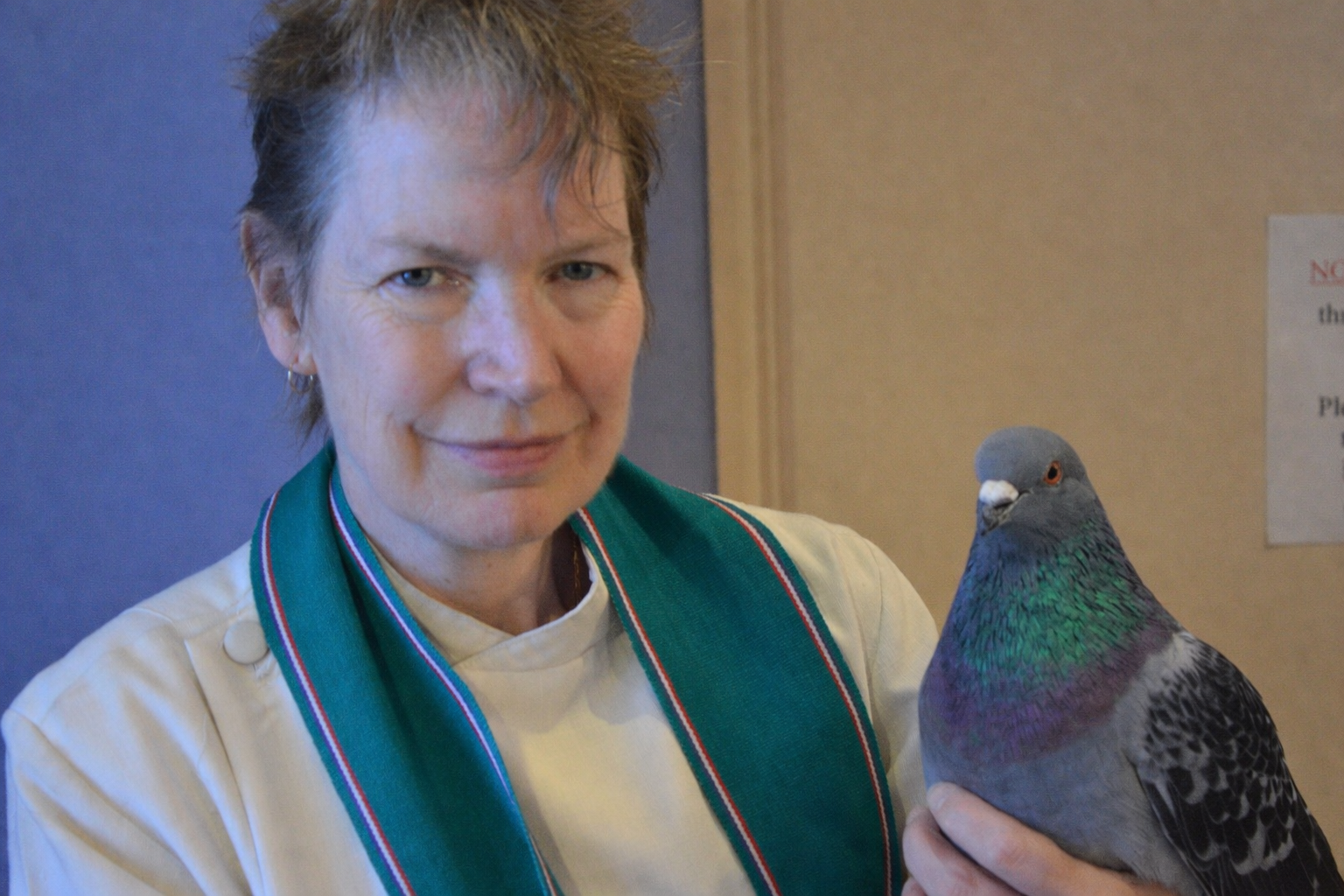
Barbara Allen is a writer and chaplain at Lort Smith Animal Hospital in Melbourne, Australia. She is the author of the book Pigeon, which explores the cultural and historical relationship between humans and pigeons. Allen has also written the picture book I Was There and contributed to publications such as Peace of Mind and Uniting Church Studies.