How Many Eggs Does a Pigeon Lay | Simple Answer Guide
If you are raising pigeons, one of the first questions you will ask is simple. How many eggs does a pigeon lay?
From my own experience keeping pigeons for years, I can tell you this is something every beginner wonders about. You see a pair bonding, building a nest, and then you start waiting. Knowing what is normal helps you stay calm and take better care of your birds.
Most pigeon owners in the United States keep pigeons either as pets, for breeding, or sometimes for homing. No matter the reason, understanding their egg-laying pattern is very important. It helps you plan your breeding, properly care for chicks, and avoid common mistakes that can harm your birds.
When I first started, I used to check the nest every day, thinking maybe more eggs would appear. Over time, I learned how pigeons actually work. Once you understand their natural cycle, everything becomes much easier.
Pigeons are very consistent birds. They follow a pattern when it comes to laying eggs and raising babies. This is why many people enjoy raising them. You can predict what will happen if the birds are healthy and comfortable.
Knowing how many eggs a pigeon lays also helps you connect with other important topics, such as a pigeon breeding guide, pigeon behavior, and even what pigeons eat. All these things are linked. Healthy feeding and a calm environment directly affect egg laying.
If you are new to pigeons, do not worry. This is easier than it looks. Once you understand the basics, you will start to notice small signs and behaviors that tell you exactly what your birds are doing.
How Many Eggs Does a Pigeon Lay
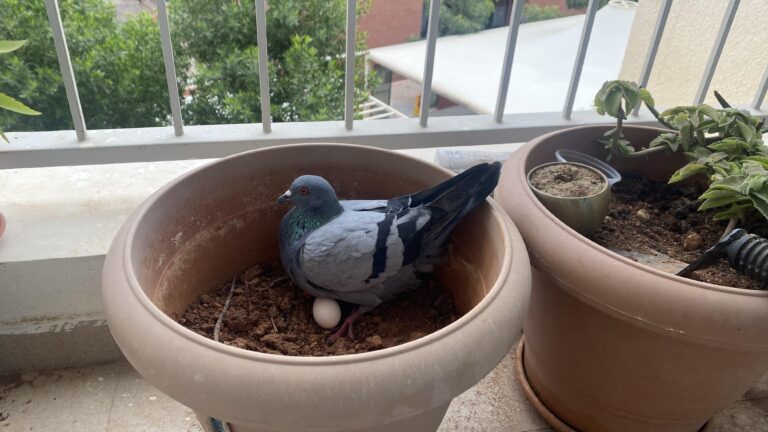
From real experience, a healthy female pigeon almost always lays two eggs in one cycle. This is the normal pattern you will see in your loft.
The first egg usually comes, then the second egg follows about one day later. After that, the hen stops laying and starts focusing on incubation with her mate.
I have raised many pairs, and I can tell you this rarely changes. If your pigeon lays two eggs, that is a good sign your birds are healthy and behaving normally.
Why Pigeons Lay Two Eggs
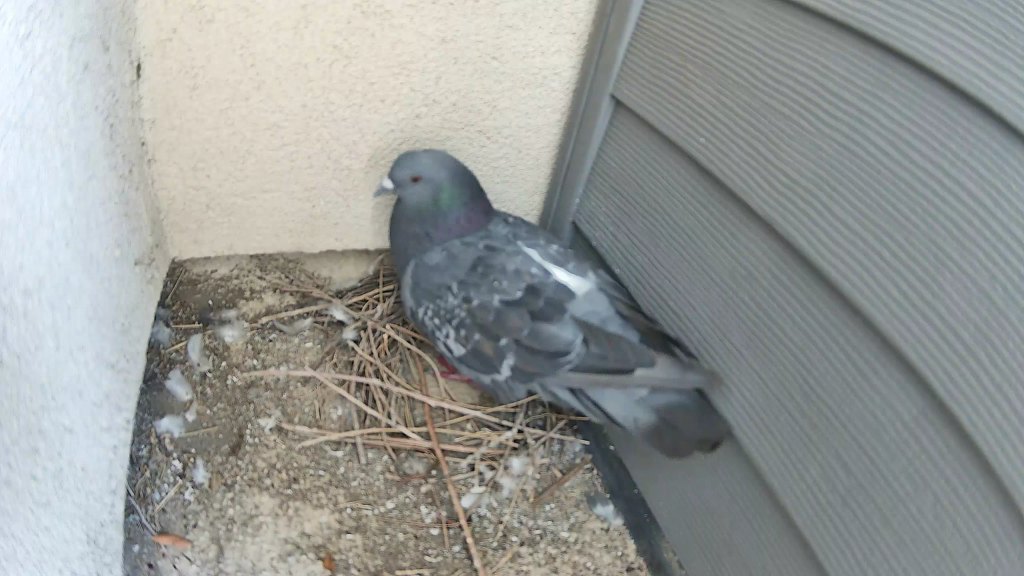
Pigeons are built to raise a small number of chicks at a time. Two babies are easier for the parents to feed and protect.
Both the male and female take turns sitting on the eggs. This teamwork is part of normal behavior. Also, this explains why they do not lay large clutches like chickens.
If a pigeon tried to raise more than two chicks, it would be harder to feed them properly. So nature keeps it simple.
When to Expect the Eggs
Once a pair bonds and starts nesting, eggs usually come within a few days.
Here is what I normally see in my loft:
- The pair starts spending more time together
- They begin building a simple nest
- The hen sits more often in one spot
- First egg appears
- The second egg comes about one day later
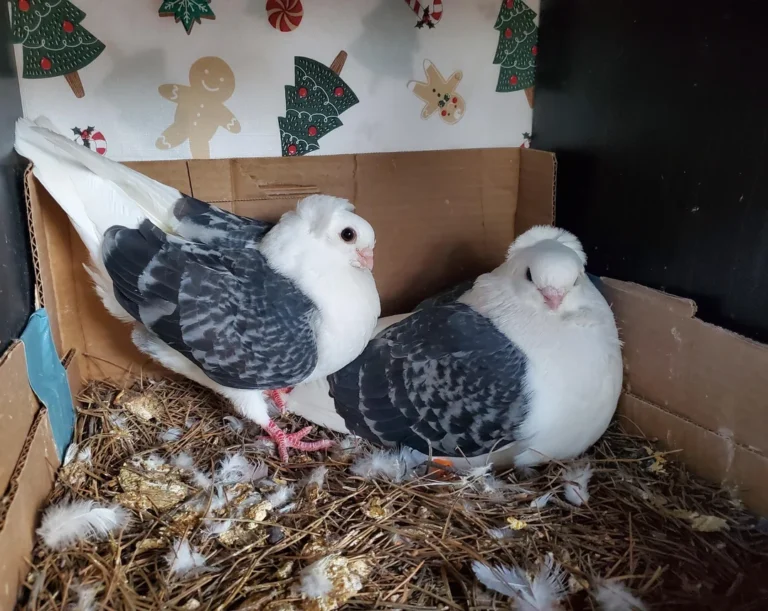
After that, both birds will sit on the eggs. The male usually sits during the day, and the female sits at night.
How Often Do Pigeons Lay Eggs
A pigeon pair can lay eggs many times in a year if conditions are good.
From my experience, a strong pair can complete a full breeding cycle every 4 to 6 weeks. That includes laying eggs, incubating, and raising chicks.
If you manage your birds well, you can have several rounds of chicks in a year. This is why many people follow a proper pigeon breeding guide to keep things organized and healthy.
What If Your Pigeon Lays Only One Egg
Sometimes you may find only one egg in the nest.
This can happen, and I have seen it a few times. Common reasons include:
- The hen is young or new to breeding
- Stress in the loft
- Poor nutrition
- Health issues related to pigeon diseases
If it happens once, do not panic. Just keep an eye on your bird. Make sure she is eating well and staying calm.
What If There Are No Eggs
If your pair is not lying at all, there is usually a reason.
From what I have learned, the most common causes are:
- Not a true male and female pair
- Lack of proper nesting space
- Poor diet
- Too much disturbance
- Seasonal changes
Good feeding is very important here. If you are unsure, go back to basics and review what pigeons eat. A balanced diet makes a big difference in egg production.
Practical Advice From My Loft
Over time, I noticed that pigeons do best when you keep things simple.
Give them a clean, quiet place to nest. Do not disturb them too much when they are about to lay eggs. Make sure they always have fresh water and quality feed.
Also, watch their behavior. Pigeons tell you a lot without making noise. If they are calm and working together, you are doing things right.
Tips and Common Mistakes
When it comes to pigeon eggs, small mistakes can cause big problems. I have made some of these mistakes myself when I first started. Over time, I learned what works and what should be avoided.
Here are the most useful tips I can share from real experience.
Give Your Pigeons a Quiet Nesting Area
Pigeons need peace when they are about to lay eggs.
If you keep disturbing the nest, the hen may delay laying or even abandon the eggs. I always place nest boxes in a calm corner of the loft where there is less movement.
Try not to touch the nest too often. A quick check is fine, but do not overdo it.
Provide a Proper Diet
Good food makes a huge difference in egg laying.
If your pigeons are not getting the right nutrition, egg production can drop. I always make sure my birds get a mix of grains along with clean water every day.
You should also learn more about what pigeons eat so you can improve their diet over time. Healthy birds lay strong eggs and raise strong chicks.
Do Not Panic If You See Only One Egg
This is a common mistake beginners make.
They see one egg and think something is wrong. In most cases, the second egg will come within a day. I always wait patiently before making any changes.
If the second egg does not appear after a couple of days, then you can start checking for possible issues.
Avoid Moving the Eggs
Once eggs are laid, try not to move them.
Pigeons are very sensitive during this time. If you keep shifting eggs or touching them too much, the parents may stop sitting on them.
I learned this the hard way early on. Now I only check from a distance unless there is a real problem.
Keep the Loft Clean
Cleanliness plays a big role in successful breeding.
Dirty conditions can lead to pigeon diseases, which can affect egg laying and chick survival. I clean my loft regularly and make sure nest areas stay dry.
Healthy surroundings mean fewer problems later.
Make Sure You Have a True Pair
Sometimes people think they have a male and female, but it turns out to be two males or two females.
If your birds are not laying eggs at all, this is something to check. Watching pigeon behavior is very helpful here. A true pair will bond closely and share nesting duties.
Do Not Overbreed Your Birds
Just because pigeons can lay eggs often does not mean you should push them too much.
I always give my pairs some rest after a few cycles. This keeps them strong and prevents health issues. A tired hen will lay weaker eggs or stop laying completely.
A balanced breeding schedule is part of a good pigeon breeding guide and helps you keep your flock healthy long term.
Watch for Stress Signs
Stress is one of the biggest hidden problems.
Too much noise, overcrowding, or frequent changes can stop pigeons from laying eggs. If your birds seem nervous or restless, try to make their environment more stable.
Calm birds are productive birds.
FAQ About Pigeon Egg Laying
How many eggs does a pigeon lay at one time?
A pigeon usually lays two eggs in one cycle. This is the normal pattern I see in my own loft. The first egg comes, and then the second egg follows about one day later.
If you consistently see two eggs, your birds are doing well.
How long does it take for pigeon eggs to hatch?
Pigeon eggs usually hatch in about 17 to 19 days.
Both parents take turns sitting on the eggs during this time. The male often sits during the day, and the female takes over at night. This shared care is a great example of natural pigeon behavior.
Try not to disturb the nest during this period; the less stress, the better the hatch rate.
Can a pigeon lay more than two eggs?
In most cases, no.
From what I have seen over the years, pigeons almost always stick to two eggs. Very rarely, you might see something unusual, but it is uncommon and not something to expect.
How often do pigeons lay eggs in a year?
If your pigeons are healthy, well-cared for, and go through several breeding cycles in a year.
In my experience, a pair can lay eggs every four to six weeks during active breeding periods. Good feeding and a clean environment play a big role here.
If you want better results, it helps to follow a proper pigeon-breeding guide and ensure your birds are not under stress.
What should I do if my pigeon stops laying eggs?
First, stay calm and check the basics.
Make sure you actually have a male and female pair. Then look at their diet, their living space, and their health.
Poor nutrition is common, so review what pigeons eat and ensure they get a balanced mix. Also, watch for signs of pigeon diseases, as these can cause health problems that stop egg production.
Sometimes pigeons also pause due to weather or natural rest periods. Give them time and keep their environment stable.
Conclusion
So, how many eggs does a pigeon lay?
From real hands-on experience, the answer is simple. A pigeon usually lays two eggs in one cycle. This is normal, healthy, and exactly what you should expect from a good pair.
Once you understand this pattern, pigeon keeping becomes much easier. You stop worrying about small things and start focusing on what really matters, keeping your birds healthy, calm, and well-fed.
I always tell beginners to pay attention to the basics. Give your pigeons a clean space, good food, and some peace. If you do that, most of the hard work is already done.
Egg laying is closely connected to other important areas. Things like what pigeons eat, pigeon behavior, and even pigeon diseases all play a role. When everything is balanced, your birds will breed naturally without problems.
Also, remember not to rush or force things. Pigeons follow their own rhythm. If you respect that, they will reward you with healthy eggs and strong chicks.
Over time, you will start to notice small signs and patterns in your loft. That is when pigeon keeping becomes really enjoyable. You are no longer guessing. You are understanding your birds.
Keep things simple, stay patient, and learn from your pigeons. That is the best advice I can give.

Barbara Allen is a writer and chaplain at Lort Smith Animal Hospital in Melbourne, Australia. She is the author of the book Pigeon, which explores the cultural and historical relationship between humans and pigeons. Allen has also written the picture book I Was There and contributed to publications such as Peace of Mind and Uniting Church Studies.